23 Jul 2026
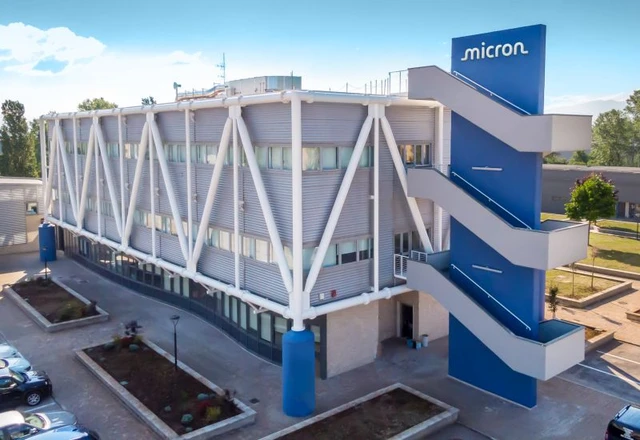 The Technological Bedrock of Elon Musk’s Ambitions
The global AI arms race has transformed computational power and semiconductors into the hardest currency of the modern era. Against a backdrop of acute shortages in high-performance memory, securing these components has evolved into a matter of strategic survival for today's tech titans. Elon Musk, orchestrating synergy across his various ventures, is striving to build a closed-loop ecosystem for chip production and consumption. Securing priority allocations from Micron signals Tesla's definitive pivot: the company is no longer merely an automaker, but a formidable contender in the AI infrastructure landscape.
23 Jul 2026
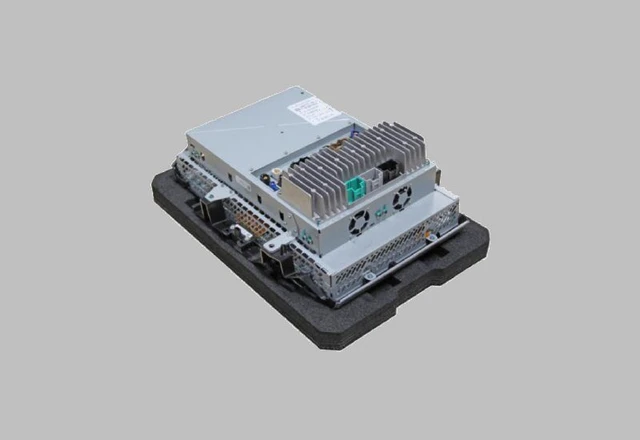 The Silicon Foundation of Tesla Robotics
The global AI arms race is shifting its epicenter, migrating from massive cloud data centers directly onto end-user hardware. Within this landscape, Tesla’s strategy of developing proprietary, purpose-built silicon has become a decisive factor in its bid for dominance over the autonomous systems market. By pursuing a tight coupling of software and silicon, the company aims to ensure the seamless operation of both its humanoid robotics and self-driving fleets. Management's ambitions are now centered on engineering the most sophisticated edge-computing chip in the industry.
23 Jul 2026
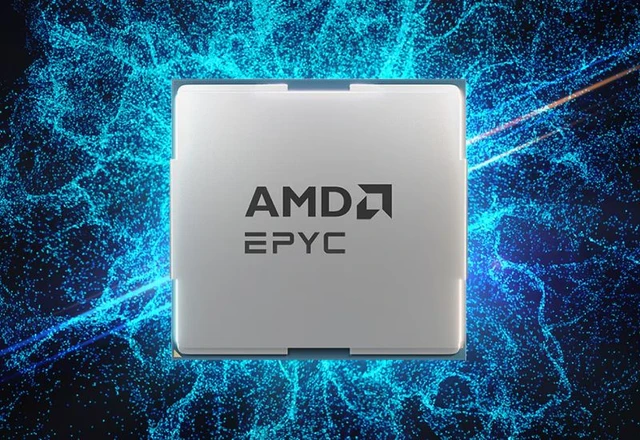 The New Economics of Server Hardware Supply Chains
The global explosion of interest in artificial intelligence has plunged the computing industry into a state of acute scarcity. While the primary bottleneck was once the memory market, the epicenter of the crisis has now shifted toward central processing units (CPUs). To safeguard infrastructural stability, tech titans are being compelled to fundamentally overhaul their client engagement models. Central to this evolution is a strategic pivot away from volatile spot transactions in favor of long-term, sustainable agreements.
23 Jul 2026
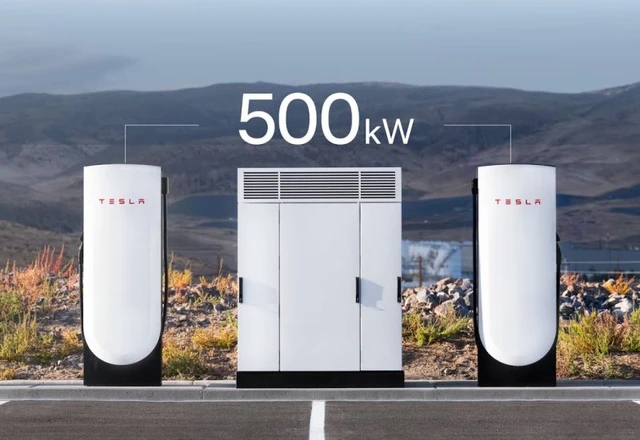 The Convergence of Tesla’s Energy Grids and Neural Networks
Today’s global race for AI supremacy is no longer defined solely by algorithmic sophistication; it has become a battle over access to staggering amounts of energy. Traditional data centers are becoming increasingly unwieldy, hampered by their critical dependence on localized power grids. Elon Musk proposes a radical pivot: a transition toward a distributed, modular computing infrastructure. By leveraging Tesla’s existing charging network, routine power points could be transformed into the nodes of a planetary-scale supercomputer.
23 Jul 2026
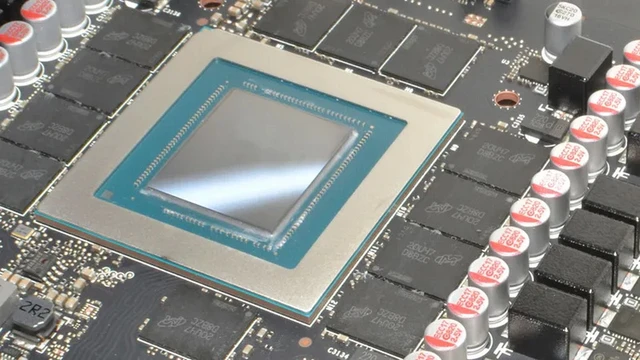 Memory Costs Drive GeForce Pricing
The contemporary graphics accelerator market has reached a critical flashpoint, where escalating component costs are beginning to directly dictate release schedules and product availability. Nvidia, leveraging its dominant position in the GPU sector, is currently restructuring supply terms for its integration partners. At the heart of this shift is a significant price surge for GPU chipsets and GDDR6/GDDR7 memory standards—a trend that is introducing systemic economic pressures across the entire high-performance computing (HPC) landscape.
23 Jul 2026
 The Information Density Limit of a Single Electron
The modern data storage industry is rapidly approaching its physical ceiling, where traditional recording methodologies are becoming prohibitively energy-intensive and cumbersome. In an era defined by the explosive growth of neural networks, the requirement for ultra-dense memory—positioned in immediate proximity to compute cores—has become critical. Researchers at Fudan University have proposed a paradigm shift, moving data storage down to the level of fundamental particles. By utilizing a single electron to represent a bit of data, this innovation opens the door to devices characterized by unprecedented density and extreme energy efficiency.
23 Jul 2026
 Safeguarding Release Integrity within the PyPI Index
Software supply chain security has emerged as one of the most critical vulnerabilities in modern development. For years, the ability to modify already published releases provided operational flexibility, yet it simultaneously created a dangerous loophole for malicious actors. To mitigate the risk of "code poisoning," the Python Package Index (PyPI) is now implementing strict time limits on version updates. This move signals a strategic shift toward the principle of release immutability within one of the world's largest programming ecosystems.
23 Jul 2026
 The Foundations of Nvidia’s Success in the Legacy of Sega
The road to technological hegemony is rarely linear or predictable. Nvidia’s current dominance in artificial intelligence finds its roots in the era of arcade cabinets and the daring experimentation of 1990s Japanese game development. The interplay between these two companies serves as a prime example of how a technical failure can pivot into a strategic lifeline—an alliance that charted the course for graphics computing for decades to come.
23 Jul 2026
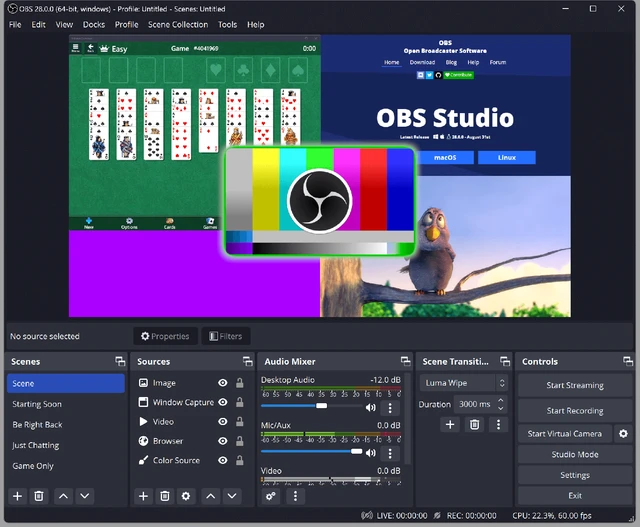 The Evolution of Broadcasting Tools: OBS Studio 32.2
Modern digital content demands absolute flexibility and high-performance, real-time execution. Open-source tooling has evolved into the bedrock of the streaming industry, transforming standard workstations into sophisticated production switchers. OBS Studio continues to drive this ecosystem forward, striking a critical balance between core stability and the integration of cutting-edge capture technologies. The latest release, version 32.2, prioritizes workflow optimization and the expansion of hardware compatibility.
22 Jul 2026
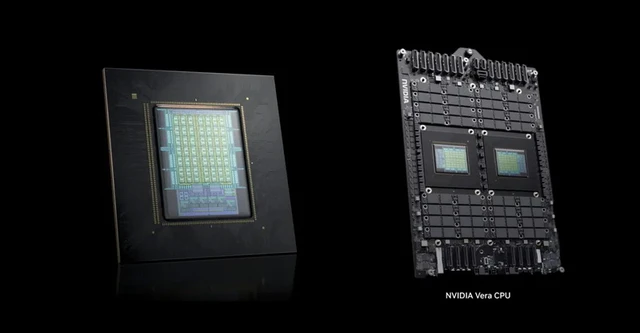 The Computational Power of the Nvidia Vera System
Modern AI infrastructure necessitates a fundamental reimagining of data processing principles and component interoperability. Traditional x86 architectures are increasingly becoming the primary bottleneck in scalable systems, throttling the exchange of information between cores and memory. Nvidia’s response to this challenge is manifested in the Vera processor, which pivots away from general-purpose versatility toward massive bandwidth and specialized compute capabilities. This silicon marks a paradigm shift toward deeply integrated ecosystems where the distinction between the central processor and the accelerator effectively vanishes.
22 Jul 2026
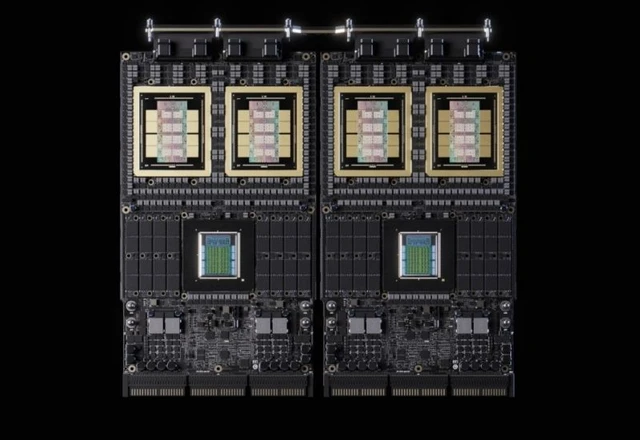 A Strategic US Launchpad for the Vera Rubin Systems
The global race for AI supremacy has fundamentally shifted; the battleground is no longer defined by algorithmic breakthroughs, but by the mastery of physical infrastructure. For the United States, establishing a vertically integrated production cycle for high-tech hardware has evolved into a strategic imperative for both national security and economic resilience. The opening of Wistron’s facility in Texas marks a decisive pivot away from reliance on Asian manufacturing hubs toward the cultivation of an autonomous technological cluster—a move that lays the essential groundwork for the large-scale deployment of next-generation computing systems.
22 Jul 2026
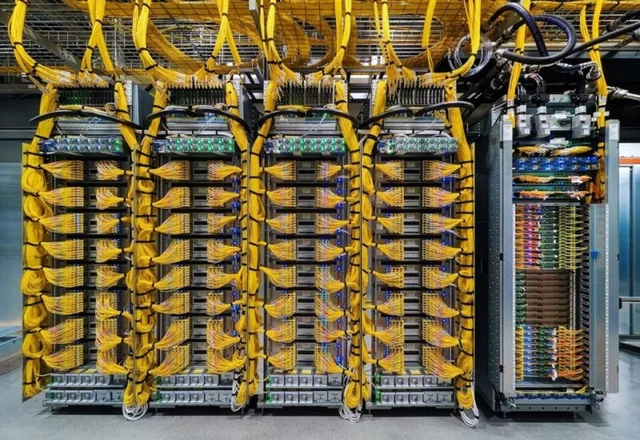 Scaling the Vera Rubin Generation Infrastructure
The global AI arms race is shifting its focus from algorithmic debates toward the raw physics of hardware scaling. Nvidia is finalizing the rollout of its next-generation server architectures—systems designed to serve as the bedrock for the next evolutionary leap in Large Language Models (LLMs). This isn't merely a quest for higher throughput; it represents a fundamental paradigm shift in how data centers are conceived and constructed. Computational efficiency is now inextricably linked to the infrastructure's capacity to manage staggering thermal demands and complex logistical overhead.
