22 Aug 2026
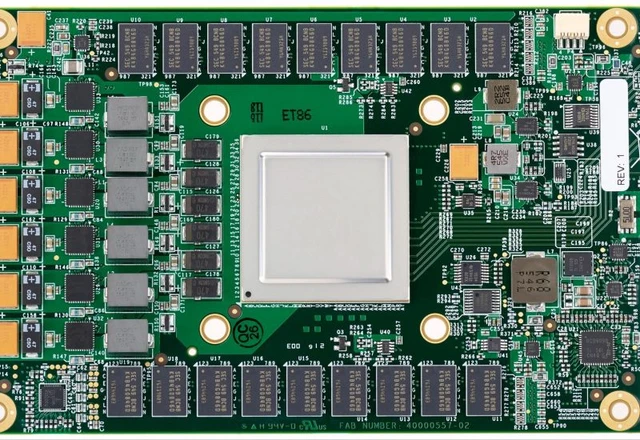 Anthropic’s Strategic Push for Hardware Independence
The AI arms race has decisively shifted from the realm of algorithms to the domain of hardware. Dependence on general-purpose GPUs has emerged as the primary bottleneck stifling the scalability of modern neural networks. Consequently, industry leaders are pursuing full vertical integration, seeking to optimize every computational cycle for specific workloads. Anthropic’s recent appointment of a key silicon design expert signals a strategic pivot toward hardware autonomy.
22 Aug 2026
 Driver Attention Monitoring in Tesla Electric Vehicles
The evolution of autonomous driving systems inevitably pits technological optimism against the stark realities of road safety. In China, this tension has escalated into a sweeping regulatory crackdown impacting millions of Tesla vehicles. At the heart of the issue lies the inadequacy of driver monitoring systems, which have proven alarmingly susceptible to simple bypasses. Consequently, software-based remediation has become the sole means of restoring the equilibrium between the convenience of automation and the imperatives of safety.
22 Aug 2026
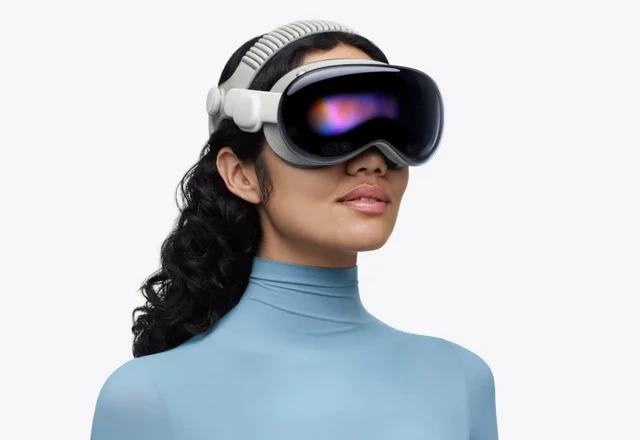 The Evolution of Apple's Augmented Reality Ecosystem
The era of ambitious spatial computing is colliding with the cold reality of market pragmatism. Widespread downsizing across key Apple divisions signals a fundamental strategic pivot in the development of immersive technologies. The company is moving away from costly, high-risk experiments in favor of more accessible, mass-market form factors. This shift mirrors a broader global trend: functional utility and ergonomics are now taking precedence over mere technological prestige.
22 Aug 2026
 Intelligent Vision in the New AirPods
The convergence of auditory and visual data is emerging as the new frontier for wearable technology. Apple is transcending the boundaries of simple audio playback, integrating cameras into its flagship accessories to forge a seamless, multimodal interface. This evolution transforms headphones from mere peripherals into sophisticated sensory organs for artificial intelligence. Leaked details regarding the upcoming AirPods reveal a meticulously crafted approach to integrating "machine vision" into the fabric of daily life.
21 Aug 2026
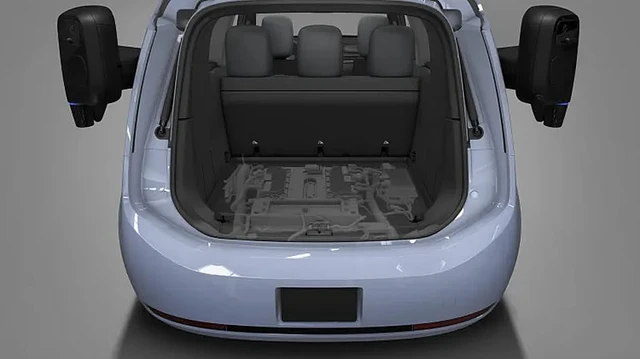 The Silicon Intelligence Powering Waymo's Autonomous Driving
The race for fully autonomous driving has long since shifted from the realm of pure software to the domain of specialized hardware. Waymo has finally pulled back the curtain on its onboard computing architecture, unveiling a system where reliability and response times are treated as absolute imperatives. The transition to proprietary silicon marks a new milestone in the evolution of how machines perceive and interpret the urban environment. It is no longer simply a matter of data processing, but of forging a sophisticated digital consciousness capable of commanding a multi-ton vehicle in real-time.
21 Aug 2026
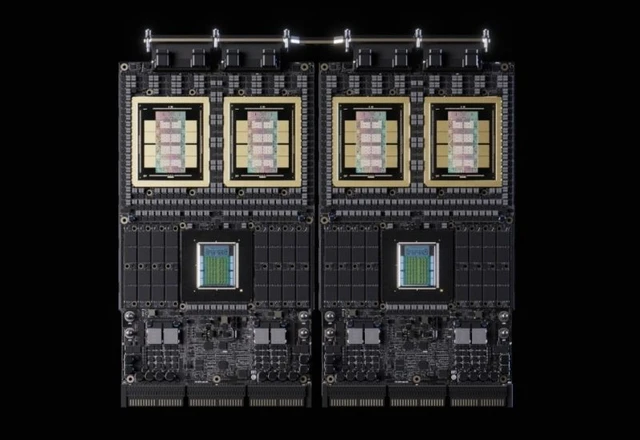 Nvidia Abandons Plans to Adapt LPU Hardware for China
The global artificial intelligence market is currently defined by a high-stakes standoff between tech titans and government regulators. At the epicenter of this clash is Nvidia, whose strategic ambitions in China are colliding head-on with stringent U.S. export controls. Recent speculation regarding the development of specialized LPU accelerators tailored for the East has sent ripples through the industry; however, the company's official stance effectively puts an end to the debate over the creation of bespoke, adaptive solutions for this specific market.
21 Aug 2026
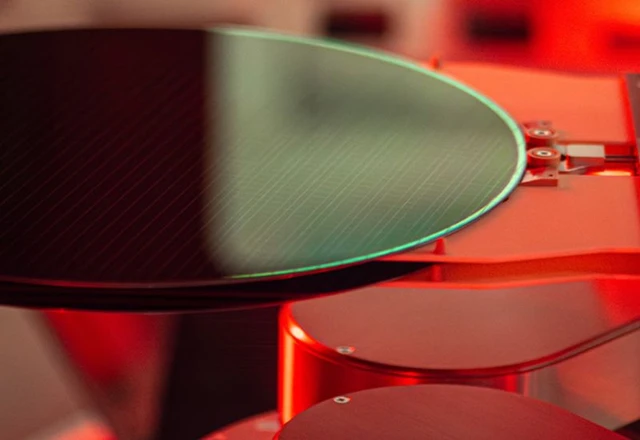 Memory as a Strategic Asset in the Age of AI
The AI explosion has precipitously shifted the center of gravity within the semiconductor industry, propelling memory manufacturers into the spotlight. Today, storage capacity, throughput, and power efficiency have emerged as the primary catalysts for scaling neural networks. This transformation is evolving memory from a mere commodity into a mission-critical pillar of global infrastructure. At the heart of this shift lies a new paradigm of collaboration between vendors and clients, where co-engineering has become the sole pathway to technological primacy.
21 Aug 2026
 Anthropic’s Record-Breaking Stock Market Debut
The global AI arms race is shifting its focus from the realm of technological breakthroughs toward the dynamics of the financial markets. Anthropic is currently preparing for a US IPO that promises to be one of the most monumental public offerings in history. The company's ambitions extend far beyond mere capital acquisition; it seeks to shatter the financial benchmarks established by SpaceX. This move will serve as the definitive barometer for the true valuation of the AI industry in the modern era.
21 Aug 2026
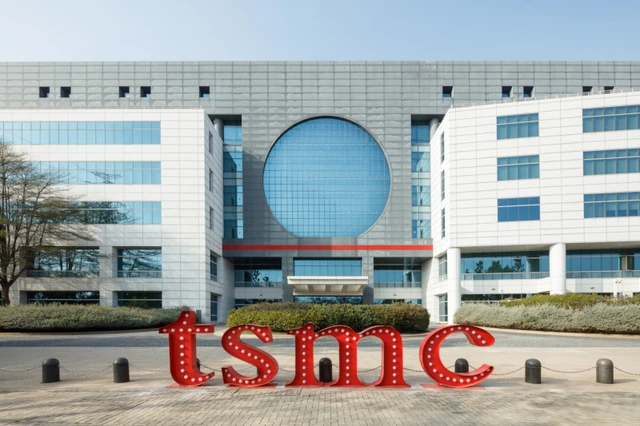 The Evolution of Silicon in the A16 Process Node
The nanometer race has reached a critical inflection point where simply shrinking transistor dimensions is no longer sufficient to achieve a qualitative leap in performance. TSMC is now pushing beyond the two-nanometer barrier with the unveiling of its A16 process, marking a fundamental paradigm shift in semiconductor manufacturing. This transition is not merely about increasing component density, but about a radical overhaul of how power is delivered to the die. The industry stands on the threshold of an era where energy efficiency has become the primary driver behind the evolution of computing systems.
21 Aug 2026
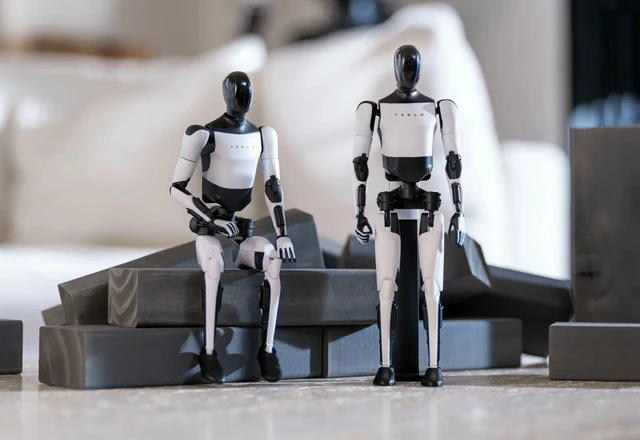 Tesla’s Strategic Pivot Toward Mass-Market Robotics
The transportation industry is undergoing a fundamental paradigm shift, one where hardware is no longer confined to the constraints of traditional wheel-based architectures. Tesla is making a bold strategic pivot, shifting its corporate center of gravity from electric vehicle manufacturing toward the development of humanoid robotics. This strategic realignment demands significant trade-offs, including scaling back the production of flagship models to fuel the ambitions of Project Optimus. Yet, the chasm between public pronouncements and industrial reality remains palpable.
21 Aug 2026
 RayNeo iO and the Evolution of Wearable Interfaces
The modern individual exists in a state of perpetual tension between the relentless digital stream of information and the visceral experience of being present in the moment. The smartphone, once our primary gateway to interaction, has frequently devolved into a barrier—a digital wall separating us from our immediate surroundings. The wearables industry is now striving to bridge this divide, engineering interfaces designed to augment our vision rather than obstruct it. The RayNeo iO embodies this philosophy, facilitating a seamless transition from the screen in one's pocket to data integrated directly into the user's field of view.
21 Aug 2026
 AI-Powered Tooling for Vertical Video
Modern digital culture has pivoted decisively toward the vertical format, establishing short-form video as the primary vehicle for global communication. Yet, producing high-fidelity content in this orientation often clashes with the technical constraints of traditional cameras and the inherent challenges of stabilization. The Insta360 Luna Pro emerges as a solution, fusing professional-grade optics with sophisticated, AI-driven automation. This device reimagines the paradigm of mobile cinematography, transforming content creation into a high-tech, nearly autonomous workflow.
