7 Jul 2026
 The Evolution of Samsung’s Flagship Silicon: The Exynos 2700
The global nanometer race in the mobile processor industry is entering a phase of extreme optimization, where thermal efficiency is becoming more critical than raw processing power. In this climate, Samsung's official confirmation of a new chip in development marks a concerted effort to reclaim leadership in the high-performance SoC segment. This strategic pivot toward next-generation fabrication processes is intended to guarantee the operational stability of future flagships. The ultimate stake in this high-stakes gamble will be the Galaxy S27 series, designed to serve as a definitive demonstration of the South Korean giant's technological sovereignty.
7 Jul 2026
 AMD Restores Memory Protection to Ryzen Processors
Hardware security is frequently overshadowed by raw performance benchmarks, yet it remains the fundamental bedrock of data protection. In the semiconductor industry, the divide between enterprise and consumer solutions is often leveraged as a marketing tool, leading to the arbitrary restriction of essential functionality. A recent controversy regarding the disabling of memory encryption in AMD's latest silicon has sparked a rigorous debate over corporate transparency and the user's inherent right to security. Now, the company has been compelled to acknowledge the lapse and reinstate this critical layer of protection within the Ryzen 9000 series.
7 Jul 2026
 The Geopolitical Impasse of the Memory Market
The global semiconductor market is currently gripped by a striking paradox: record-breaking corporate profits are coexisting with a severe shortage of components for end-users. The meteoric rise of artificial intelligence has fundamentally shifted production priorities, leaving traditional electronics manufacturers increasingly vulnerable. Geopolitical pressures and the pursuit of technological sovereignty are erecting barriers in sectors where market logic would otherwise dictate maximum openness. Consequently, even titans like Apple have become hostages to the friction between economic imperatives and the mandates of national security.
7 Jul 2026
 The Clash of Standards in the Race for Computational Power
The global AI surge has triggered an unprecedented shortage of compute capacity, compelling even the industry's titans to seek alliances with their direct rivals. In this race to scale, the primary constraints are no longer just financial capital, but increasingly stringent cybersecurity mandates. The recent collapse of a multi-billion dollar deal between Microsoft and Oracle serves as a stark illustration of how a single missing certification can derail a strategic partnership. At the heart of the impasse was the FedRAMP standard, which emerged as an insurmountable barrier to the integration of their respective cloud infrastructures.
7 Jul 2026
 Tech Bonuses as a Catalyst for Korean Inflation
The global semiconductor boom has precipitated an unforeseen macroeconomic challenge for South Korea. Exorbitant compensation packages for employees at tech giants have evolved from a hallmark of corporate triumph into a systemic risk for the national economy. The Bank of Korea warns that this sudden surge of liquidity into the consumer sector could trigger runaway inflation. This scenario underscores how localized success within the high-tech sector can destabilize a nation's overarching monetary policy.
7 Jul 2026
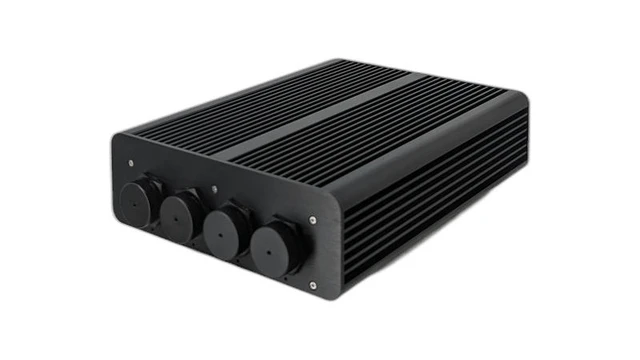 Hermetically Sealed Computing in Extreme Environments
Modern computing systems have traditionally been tethered to sterile environments and rigorous thermal controls. Yet, the demands of industrial applications and field operations necessitate a fundamentally different approach to hardware resilience and protection. Silent PC has unveiled a radical solution, fusing the raw processing power of AMD Ryzen 9000 chips with a fully hermetically sealed chassis. This machine is engineered to blur the line between high-performance desktops and specialized industrial-grade equipment.
7 Jul 2026
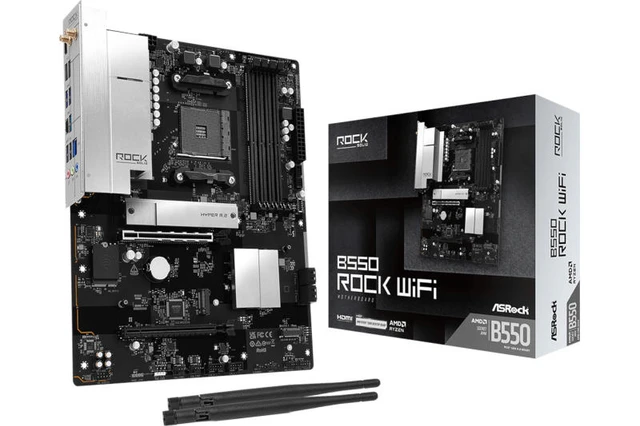 The Phenomenal Longevity of the Socket AM4 Platform
In the computer hardware industry, platform lifecycles are typically fleeting, spanning only a few years before users are coerced into expensive hardware migrations. AMD’s Socket AM4, however, stands as a rare anomaly, exhibiting remarkable longevity and adaptability for nearly a decade. The debut of the ASRock B550 Rock WiFi motherboard underscores that this ecosystem remains capable of delivering relevant and competitive solutions. Consequently, what was once a legacy standard has evolved into a rock-solid foundation for contemporary builds centered on pragmatism and efficiency.
7 Jul 2026
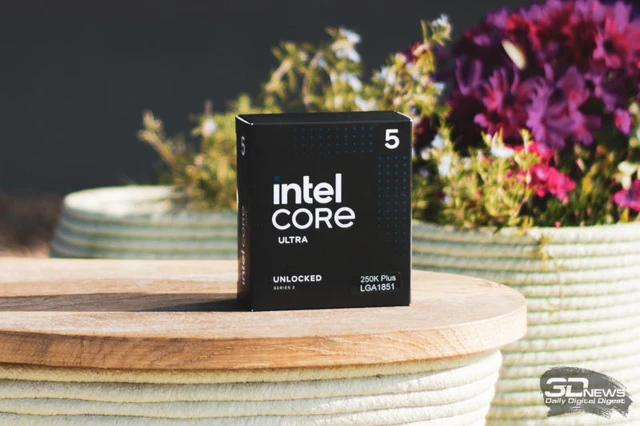 A Unified AI Standard for x86 Processors
The global semiconductor landscape is shifting decisively toward AI-centric computing. While Arm and RISC-V have aggressively expanded their footprint via specialized matrix instructions, the x86 giants have historically evolved in isolation. This has changed: AMD and Intel have now entered an unprecedented alliance to standardize neural network acceleration directly within the processor cores. The emergence of the AI Compute Extensions (ACE) specification signals a strategic pivot, engineered to safeguard the relevance of x86 in an age of neural network hegemony.
7 Jul 2026
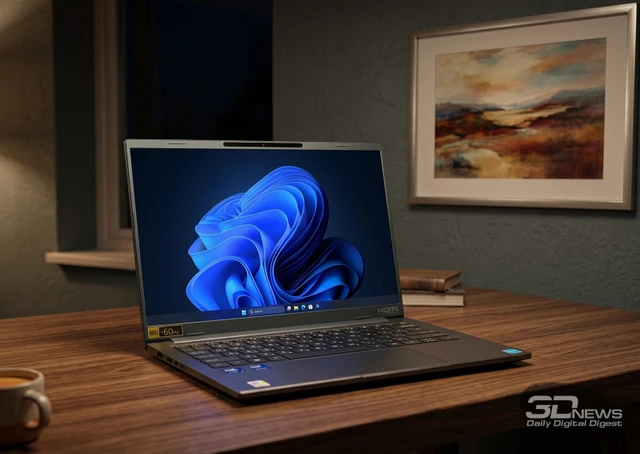 The End of the Patent Standoff Between Nokia and Acer
For decades, the consumer electronics industry has been locked in a state of perpetual patent warfare over the right to implement fundamental technological standards. Video codecs—the invisible backbone of every modern display—have emerged as one of the most contentious flashpoints in these disputes. Conflicts over the licensing terms of data compression technologies frequently escalate into global legal battles capable of paralyzing the sales of entire product lines. The resolution of the dispute between Nokia and Acer marks yet another milestone in the industry's pursuit of a common denominator under the FRAND (Fair, Reasonable, and Non-Discriminatory) framework.
7 Jul 2026
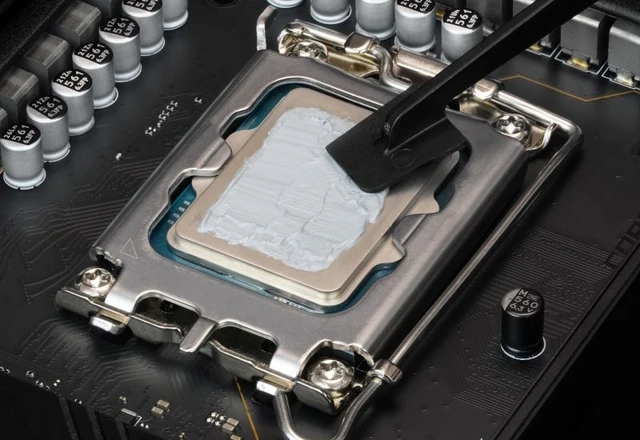 Thermal Grizzly: Setting a New Standard in Heat Dissipation
Managing thermal dissipation remains a pivotal challenge in the landscape of modern computing. As transistor density continues to scale, the interface between the silicon die and the cooling solution has evolved into a critical bottleneck, directly dictating overall system stability. Thermal Grizzly continues to push the boundaries of thermal chemistry, aiming to minimize thermal resistance at the microscopic level. The launch of the updated Pro-series of thermal interfaces signals a paradigm shift toward new benchmarks in longevity and industrial-grade reliability.
7 Jul 2026
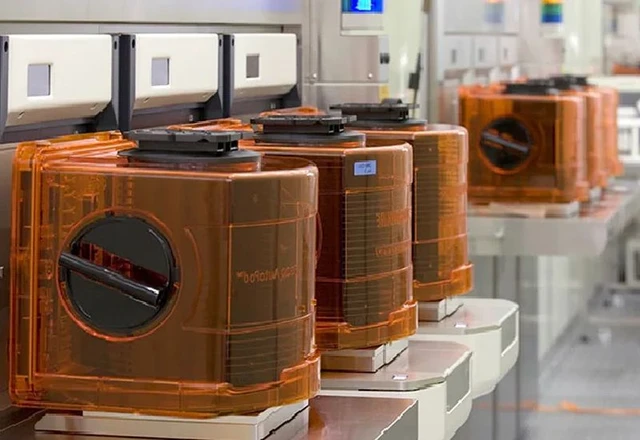 The Twilight of Japan's Semiconductor Expansion in China
The global semiconductor standoff is transitioning from a phase of trade restrictions into a period of profound structural market realignment. For a considerable time, suppliers from Japan and the Netherlands enjoyed relative operational freedom, filling the void created by stringent US sanctions. However, recent data indicate a decisive pivot: China is shifting toward the aggressive import substitution of critical equipment. This trajectory signals the beginning of the end for Beijing’s technological dependence on its eastern neighbors.
7 Jul 2026
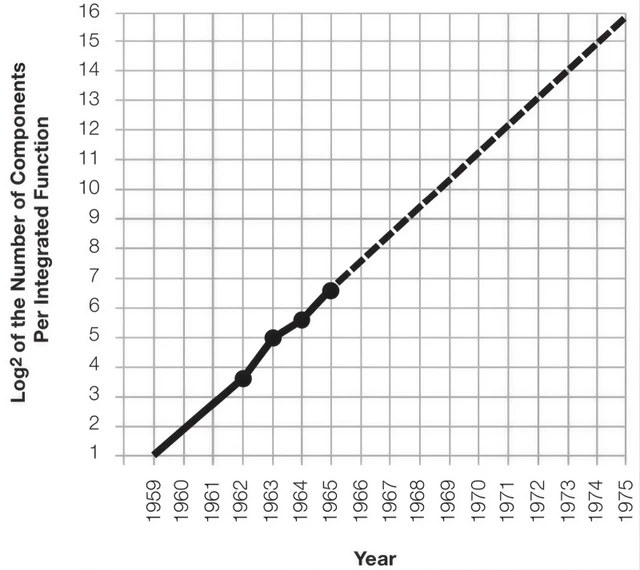 Transcending the Limits of the Silicon Era
For decades, the trajectory of the global IT industry has been governed by a single empirical rule—a principle that evolved into the secular canon of the digital era. Moore’s Law transcended its origins as a mere observation to become an economic metronome, dictating the cadence of investment, R&D, and the expectations of millions. Today, however, the physical limitations of silicon and the mounting inertia of software are jeopardizing this long-standing paradigm. To avert technological stagnation, the industry is charting new courses, diversifying its survival strategy across three fundamentally distinct vectors.
