22 Aug 2026
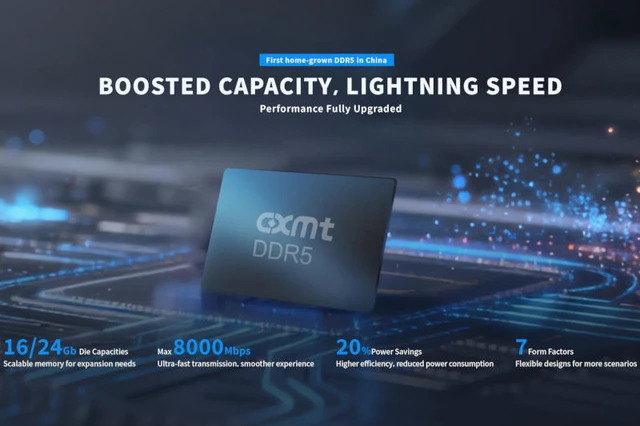 The Price of Acceleration: CXMT’s Rapid Push into Memory
The global race for semiconductor supremacy frequently devolves into a war over intellectual property. The saga of CXMT, the Chinese industry giant, serves as a textbook case of how the pursuit of technological sovereignty can degenerate into blatant industrial espionage. Rather than investing years in R&D and iterative testing, the company opted for a shortcut: stealing trade secrets from one of the global leaders, Samsung. This incident exposes a critical vulnerability within high-tech firms—the systemic poaching of key talent as a strategic tool for intellectual theft.
22 Aug 2026
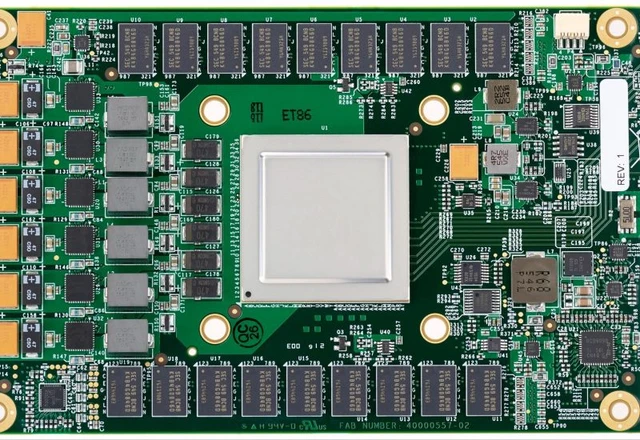 Anthropic’s Strategic Push for Hardware Independence
The AI arms race has decisively shifted from the realm of algorithms to the domain of hardware. Dependence on general-purpose GPUs has emerged as the primary bottleneck stifling the scalability of modern neural networks. Consequently, industry leaders are pursuing full vertical integration, seeking to optimize every computational cycle for specific workloads. Anthropic’s recent appointment of a key silicon design expert signals a strategic pivot toward hardware autonomy.
21 Aug 2026
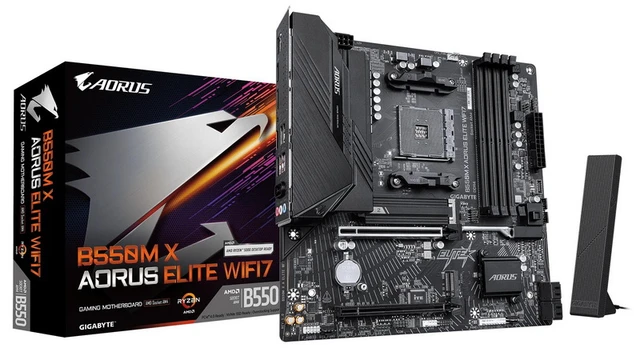 Gigabyte Breathes New Life into the AM4 Platform
While the industry is pivoting rapidly toward DDR5 and the AM5 socket, the AM4 platform continues to stand as the gold standard for stability and cost-effectiveness. The massive install base of Ryzen 5000-powered systems sustains a robust demand for high-quality upgrades, even for mature technology stacks. Gigabyte is addressing this need by integrating cutting-edge connectivity standards into its battle-tested solutions. The introduction of Wi-Fi 7 support for B550 motherboards effectively blurs the line between legacy hardware and the networking technologies of tomorrow.
21 Aug 2026
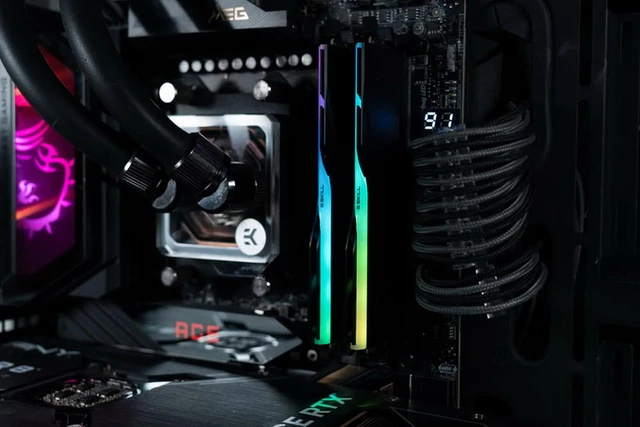 The Price of G.Skill's Marketing Promises
In the computer hardware industry, the line between technical specifications and marketing promises is often perilously thin. The G.Skill case serves as a stark illustration of the consequences that arise when transparency is sidelined in the description of memory module capabilities. A multi-million dollar class-action lawsuit has emerged as the byproduct of a systemic disconnect between the manufacturer and the end user. At the heart of the dispute lies a fundamental question: what exactly constitutes the "native" operating speed of DRAM modules?
21 Aug 2026
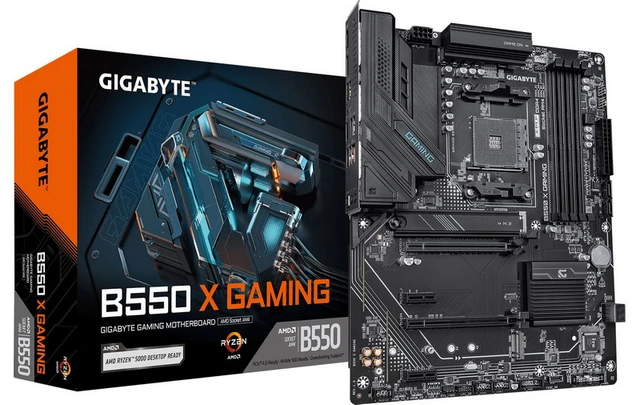 The Endurance of the AM4 Platform: Gigabyte’s Implementation
The industry's migration to the DDR5 standard and the AM5 platform was intended to signal a definitive break from the past. Yet, the compelling economic viability and enduring performance of the Ryzen 5000 series continue to pull the market back toward legacy hardware. Gigabyte is answering this demand by introducing a refreshed solution for the aging, yet steadfast, socket. The new B550 X Gaming motherboard serves as proof that AM4 remains a formidable contender in the budget-friendly gaming arena.
21 Aug 2026
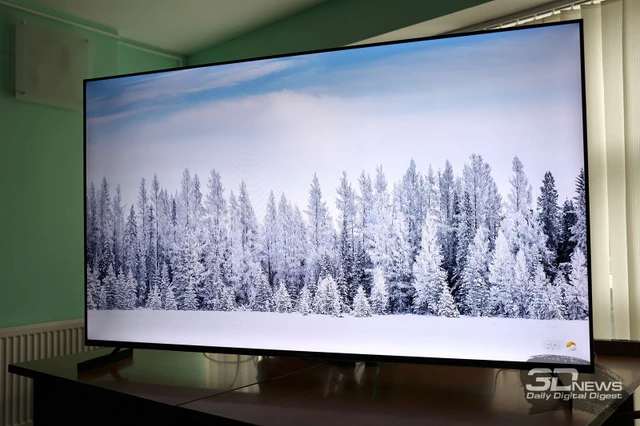 Available Display Scaling for Hyundai
The contemporary consumer electronics market is driving toward the democratization of large-scale displays, transitioning oversized panels from luxury status symbols into an accessible standard. Yet, beneath the allure of an attractive price point, critical compromises in image fidelity and hardware performance often lurk. The arrival of the Hyundai H-LED65BU7011 prompts a critical examination of the actual ceiling for the budget segment. Analyzing this device allows us to pinpoint exactly where the line is drawn between aggressive cost-cutting and the preservation of fundamental quality.
21 Aug 2026
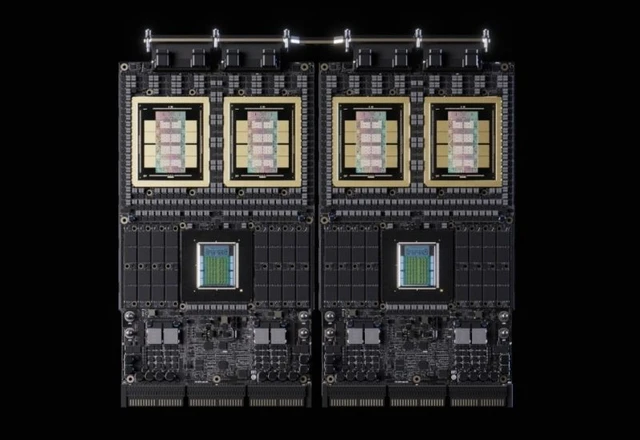 Nvidia Abandons Plans to Adapt LPU Hardware for China
The global artificial intelligence market is currently defined by a high-stakes standoff between tech titans and government regulators. At the epicenter of this clash is Nvidia, whose strategic ambitions in China are colliding head-on with stringent U.S. export controls. Recent speculation regarding the development of specialized LPU accelerators tailored for the East has sent ripples through the industry; however, the company's official stance effectively puts an end to the debate over the creation of bespoke, adaptive solutions for this specific market.
21 Aug 2026
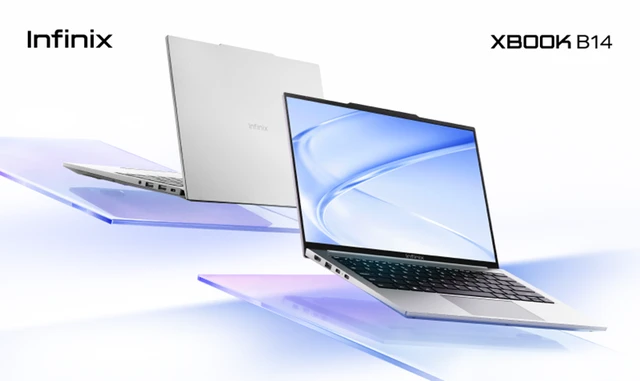 Technological Pragmatism: The Infinix XBOOK B14
The pace of today’s professional landscape demands unfettered mobility without sacrificing raw computing power. Yet, the quest for a device that marries an ultra-lightweight form factor with genuine performance often results in inevitable trade-offs. The Infinix XBOOK B14 seeks to resolve this dichotomy, delivering a curated suite of specifications tailored for the discerning user. It is a precision tool for those whose workspace is no longer defined by the confines of an office.
21 Aug 2026
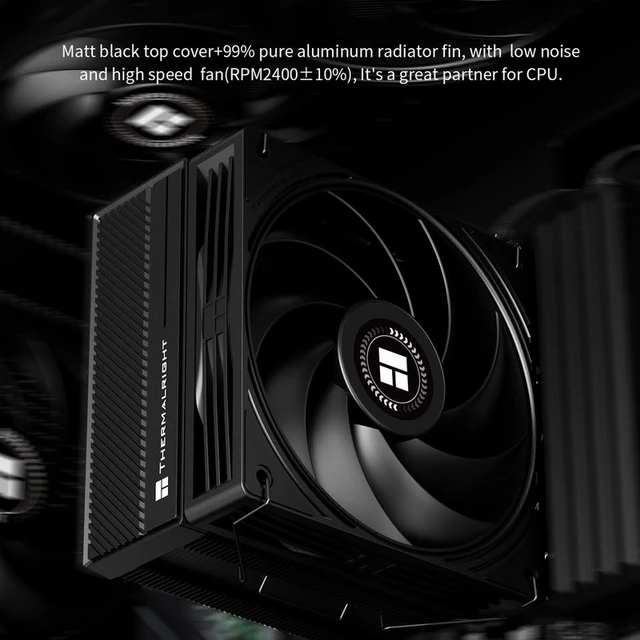 The Evolution of Efficiency: Assassin X 120-A Dark
Today's PC hardware market demands an uncompromising balance between a compact footprint and superior thermal performance. As CPU power consumption continues to climb, even entry-level cooling solutions are undergoing rigorous engineering overhauls. Thermalright introduces the Assassin X 120-A Dark—a solution where aesthetic minimalism converges with a reimagined approach to heat dissipation. This model serves as a case study in how precise design refinements can substantially optimize the performance of single-tower air coolers.
21 Aug 2026
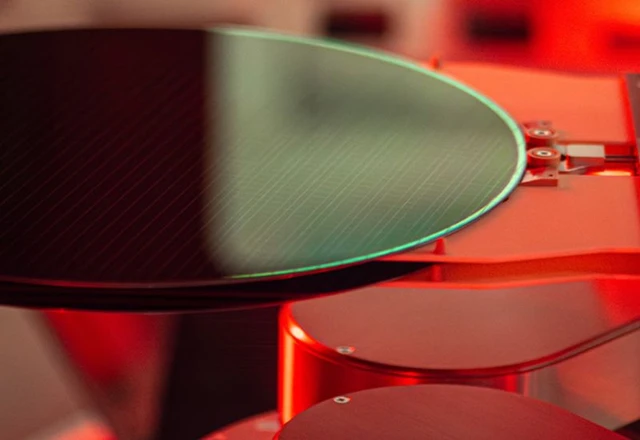 Memory as a Strategic Asset in the Age of AI
The AI explosion has precipitously shifted the center of gravity within the semiconductor industry, propelling memory manufacturers into the spotlight. Today, storage capacity, throughput, and power efficiency have emerged as the primary catalysts for scaling neural networks. This transformation is evolving memory from a mere commodity into a mission-critical pillar of global infrastructure. At the heart of this shift lies a new paradigm of collaboration between vendors and clients, where co-engineering has become the sole pathway to technological primacy.
21 Aug 2026
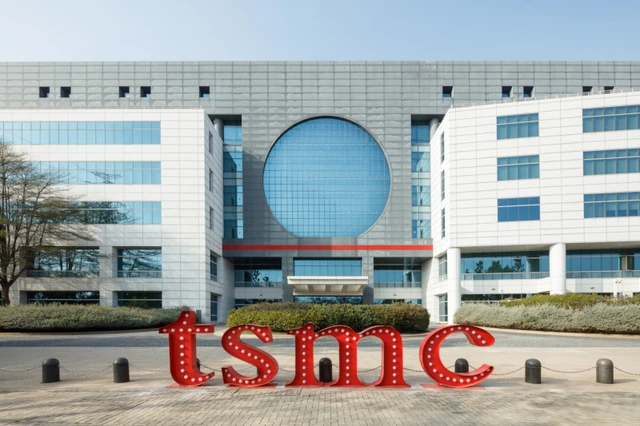 The Evolution of Silicon in the A16 Process Node
The nanometer race has reached a critical inflection point where simply shrinking transistor dimensions is no longer sufficient to achieve a qualitative leap in performance. TSMC is now pushing beyond the two-nanometer barrier with the unveiling of its A16 process, marking a fundamental paradigm shift in semiconductor manufacturing. This transition is not merely about increasing component density, but about a radical overhaul of how power is delivered to the die. The industry stands on the threshold of an era where energy efficiency has become the primary driver behind the evolution of computing systems.
21 Aug 2026
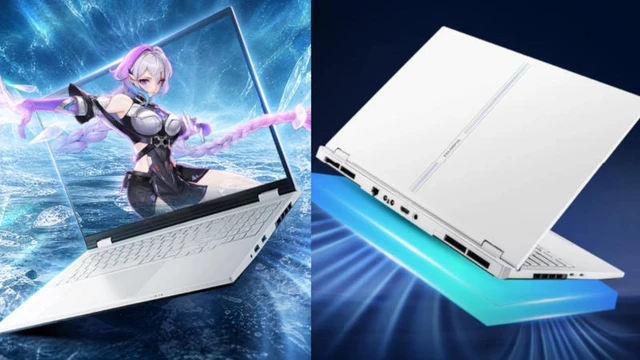 Hybrid Cooling in the Colorful P16 Pro
The pursuit of thermal efficiency in the gaming laptop market has long been a balancing act between raw computational power and acoustic comfort. Conventional air-cooling solutions frequently hit a ceiling, resulting in either thermal throttling or an intrusive roar from the fans. Colorful is proposing a radical departure, merging the mobility of a portable machine with the thermal efficiency typically reserved for desktop liquid-cooling loops. The P16 Pro Starwind Water-Cooled Edition 2026 stands as a bold experiment in redefining the thermodynamics of modern gaming workstations.
