20 Aug 2026
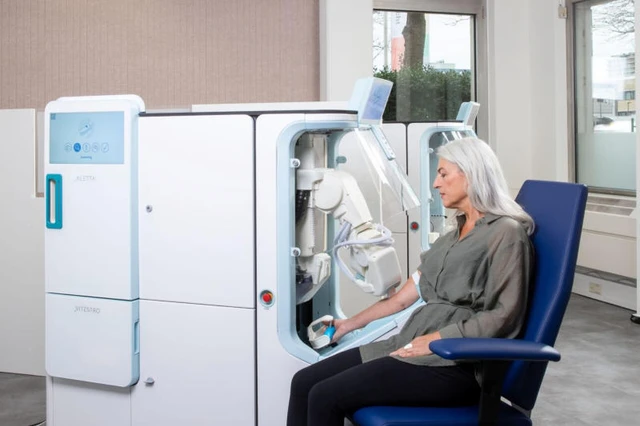 Aletta: The Autonomous Phlebotomist Redefining Diagnostics
Modern healthcare is grappling with a global shortage of skilled professionals, resulting in critical delays across fundamental diagnostics. Routine procedures, such as phlebotomy, have become operational bottlenecks that stifle the efficiency of patient care. The FDA's clearance of the Aletta system marks a pivotal transition toward high-precision medical automation—a technology engineered to mitigate human error and radically optimize clinical workflows.
13 Aug 2026
 The Convergence of Consumer Electronics and Healthcare
Hearing loss is emerging as one of the most pervasive public health crises of the 21st century, impacting billions of people globally. Conventional clinical interventions frequently remain out of reach, hindered by prohibitive costs or the lingering weight of social stigma. The integration of clinical-grade audio processing algorithms into consumer electronics represents a paradigm shift in therapeutic delivery. With FDA clearance for its latest features, the Galaxy Buds are evolving from premium wearables into legitimate health instruments, effectively blurring the line between consumer gadgets and regulated medical devices.
8 Aug 2026
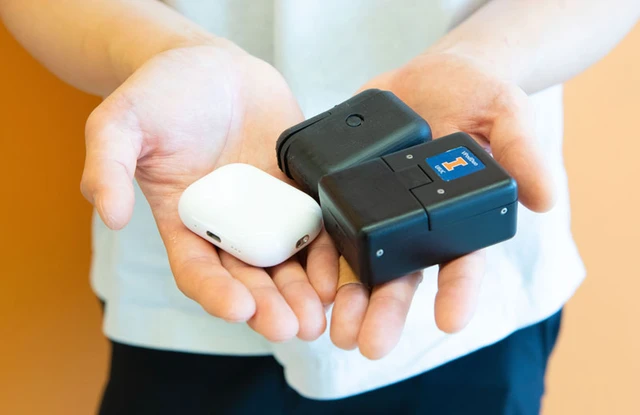 The Personal Standard for Molecular Diagnostics
For too long, access to high-precision medical diagnostics has been the exclusive province of large-scale laboratories and specialized clinical centers. Conventional rapid tests available for home use are typically limited to binary outcomes, offering little to no insight into biomarker concentrations or their longitudinal dynamics. The advent of compact molecular analyzers is shifting this paradigm, decentralizing sophisticated analytical processes and bringing them directly to the point of care. VPodDuo technology paves the way for real-time quantitative monitoring of critical health conditions, including oncological pathologies.
29 Jul 2026
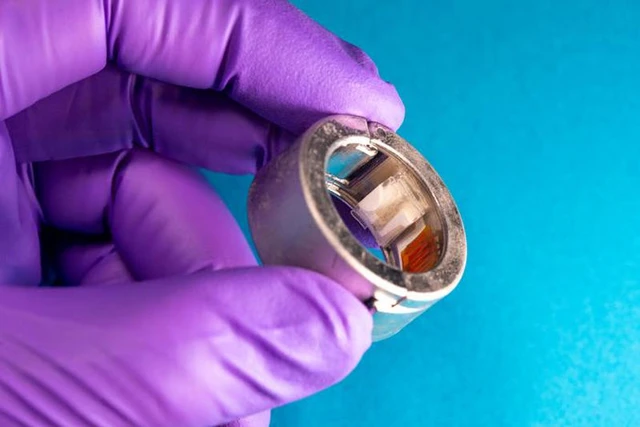 Non-Invasive Metabolic Monitoring in a Smart Ring
For decades, the quest for an effective non-invasive method of glucose monitoring has remained the "holy grail" of modern medtech. Conventional methods necessitate either painful skin punctures or the implantation of sensors—processes that impose a significant burden on millions of patients. A pioneering approach developed by engineers at the University of California, San Diego, proposes a strategic pivot: shifting the analytical focus from blood samples to the chemical composition of sweat. This innovation has the potential to fundamentally reshape the paradigm of chronic disease management and routine health monitoring.
24 Jul 2026
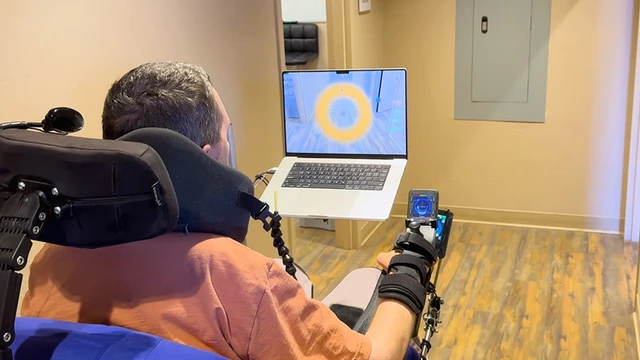 Neural Control of Physical Space
The boundary between biological intent and mechanical execution is increasingly blurring. For those grappling with severe paralysis, the loss of mobility represents more than a mere physical constraint; it is a profound erosion of personal autonomy. Recent demonstrations from Neuralink signal a path toward reclaiming this independence through direct brain-computer interfaces (BCIs). By synthesizing neural impulses into digital commands, the technology effectively translates raw thought into tangible physical action.
24 Jul 2026
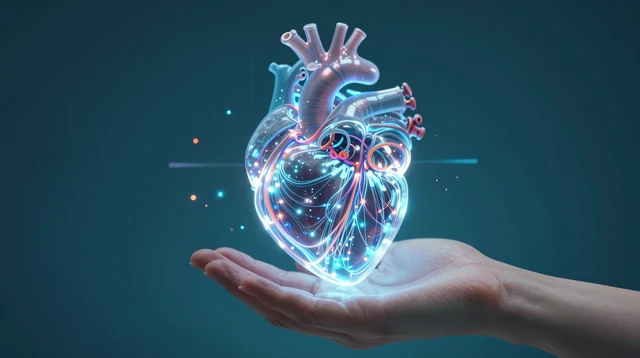 OpenAI’s Digital Health Concierge
The era of general-purpose chatbots is giving way to the age of hyper-personalized agents—systems capable of leveraging deeply private data. The rollout of the Health feature in ChatGPT marks OpenAI's strategic attempt to evolve generative AI into a comprehensive analytical partner for health management. By integrating clinical metrics and biometrics into a unified interface, OpenAI is creating a potent engine for interpreting complex medical data. However, this leap forward inevitably invites scrutiny regarding the boundaries of AI accountability and the safeguarding of highly sensitive personal information.
23 Jul 2026
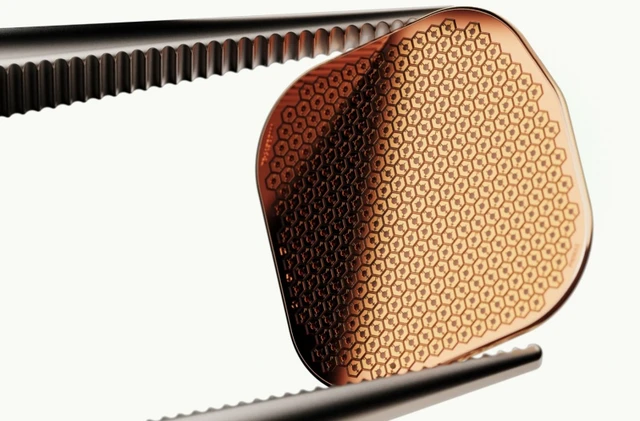 Retinal Implants Restore the Lost Ability to Read
For decades, vision loss resulting from age-related macular degeneration (AMD) was viewed as an inevitable decline—an irreversible process that stripped millions of their fundamental independence. Today, however, the paradigm of biomedicine is shifting; the focus has moved beyond merely slowing the progression of the disease toward the active restoration of visual function via sophisticated neural interfaces. The introduction of the PRIMA system marks a pivotal milestone in the convergence of microelectronics and human biology. For thousands of patients worldwide, regaining the ability to read is no longer a distant hope, but a technologically attainable reality.
22 Jul 2026
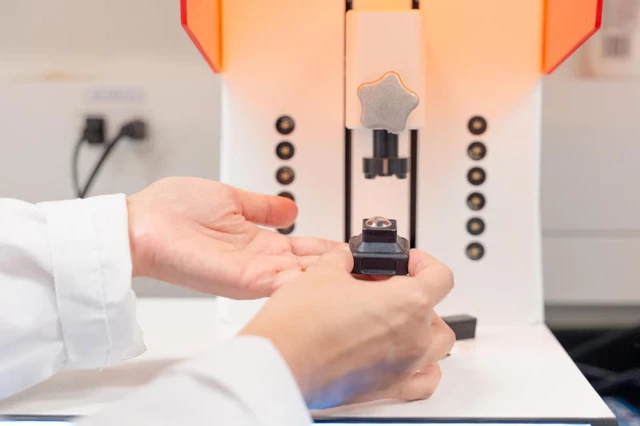 Personalized Lenses via 3D Printing
The evolution of vision correction has seen a dramatic transition from cumbersome glass lenses to nearly imperceptible silicone-hydrogel materials. Yet, for individuals with irregular corneal anatomy, conventional solutions often entail a frustrating trade-off between wearer comfort and visual acuity. A groundbreaking approach developed by researchers at the University of Waterloo is pivoting optical manufacturing toward digital modeling and additive technologies, transforming the creation of perfectly bespoke optics from a weeks-long ordeal into a matter of minutes.
21 Jul 2026
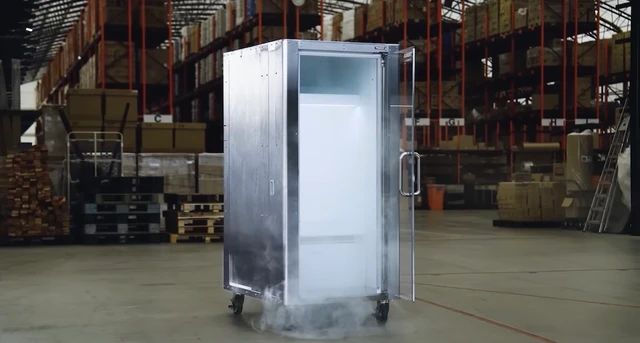 The Technological Response to Extreme Heat
Global warming has evolved from a distant projection into an immediate threat to human health and productivity. Extreme temperature spikes are compelling industries to overhaul occupational safety standards and refine strategies for combating heat stress. In Japan, where temperatures increasingly breach the critical 40-degree threshold, conventional air conditioning systems have proven too rigid for field environments. The introduction of specialized rapid-cooling capsules signals a paradigm shift toward targeted, high-intensity restoration of physiological thermoregulation.
18 Jul 2026
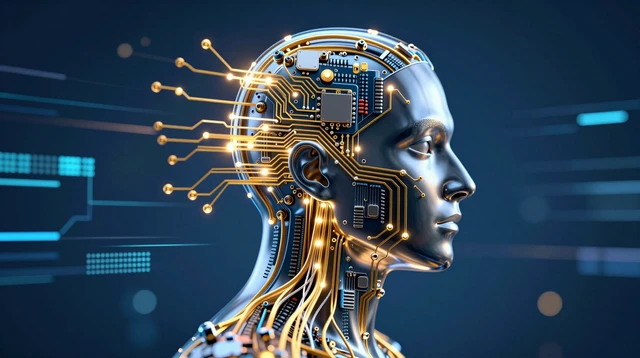 The First Commercial Brain-Computer Interface
The boundary between biological intelligence and silicon circuitry is blurring faster than anticipated. While global attention remains captivated by the experimental trials of Western startups, the genuine pivot toward the mass accessibility of neurotechnology is unfolding in Asia. China has transitioned brain-computer interfaces (BCIs) from the realm of laboratory research into the category of certified medical products. This move marks the dawn of an era of commercialized neuroengineering, establishing it as a new standard for high-tech healthcare delivery.
17 Jul 2026
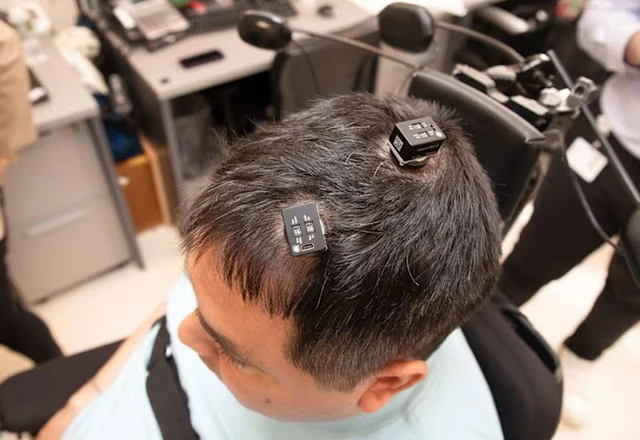 Neural Bypass for the Restoration of Motor Function
The line between biological failure and technological restoration is blurring. For years, brain-computer interfaces (BCIs) were confined to the realm of digital interaction—tasks such as controlling a cursor or synthesizing speech. However, a pioneering approach to neural bypassing is shifting these capabilities from the abstract plane of virtual commands into the reality of physical motion. A successful experiment in restoring limb motor function marks the beginning of a new chapter in the rehabilitation of patients suffering from profound paralysis.
17 Jul 2026
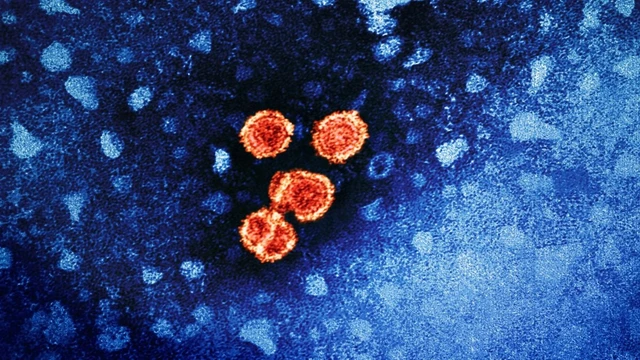 Biological Signatures of Cellular Degradation
Every single day, hundreds of billions of cells within the human body perish and regenerate—a cycle that forms the very bedrock of biological survival. For years, tissue degradation was viewed as a stochastic process; however, recent breakthroughs have unveiled a rigorous "death-marking" mechanism. These molecular signals act as a roadmap for the immune system, facilitating the efficient clearance of cellular debris from the organism. Yet, evidence suggests that pathogens have evolved to hijack these same pathways, utilizing them as clandestine conduits to infiltrate and infect healthy tissue.
