Global warming has evolved from a distant projection into an immediate threat to human health and productivity. Extreme temperature spikes are compelling industries to overhaul occupational safety standards and refine strategies for combating heat stress. In Japan, where temperatures increasingly breach the critical 40-degree threshold, conventional air conditioning systems have proven too rigid for field environments. The introduction of specialized rapid-cooling capsules signals a paradigm shift toward targeted, high-intensity restoration of physiological thermoregulation.
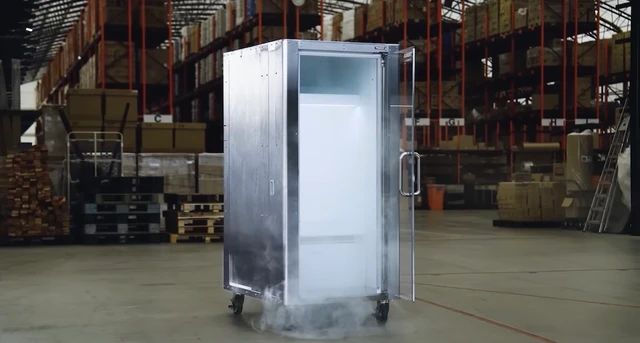
Amidst an escalating climate crisis, the Japanese company SDRS has unveiled the Do Hiemon Box—a specialized cooling chamber engineered for the emergency reduction of core body temperature. While its aesthetic mirrors that of a heavy-duty industrial refrigerator, its purpose extends far beyond simple air conditioning. It is a precision tool for rapid medical and physiological recovery, designed to preempt heatstroke in extreme environmental conditions.
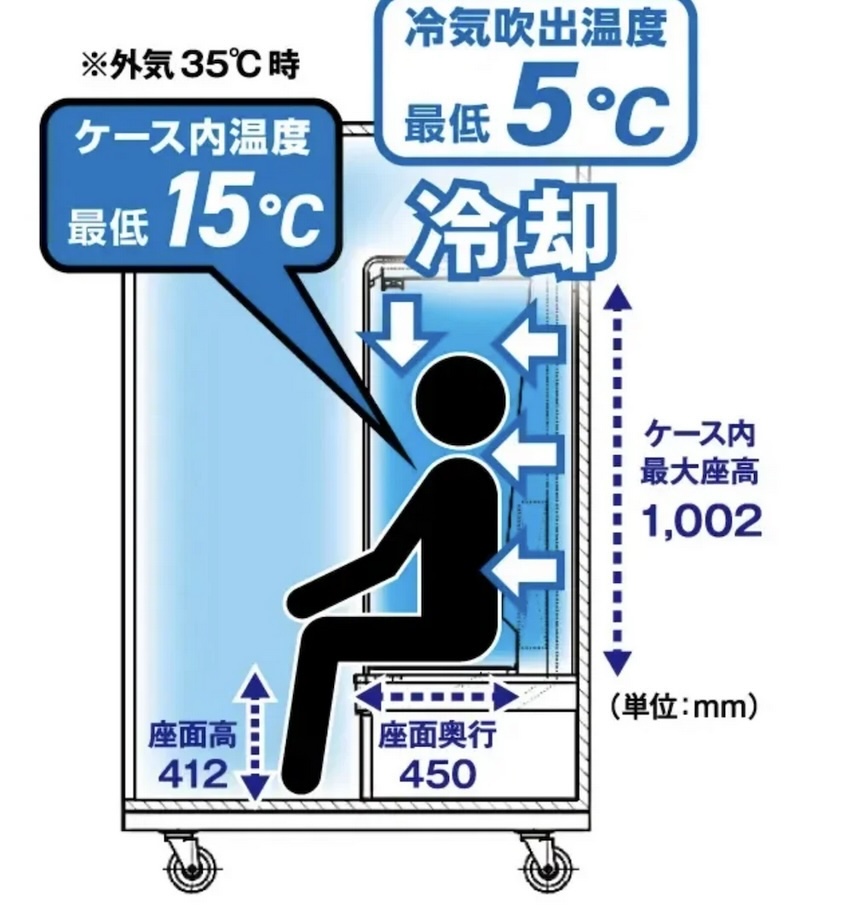
The system operates on the principle of creating a controlled microclimate, maintaining an internal ambient temperature of approximately 15°C. The core innovation lies in its targeted thermal regulation: a concentrated stream of air, chilled to 5°C, is focused on the body's most critical heat-exchange zones—the head, neck, shoulders, and back. This strategic approach accelerates the cooling process significantly. According to the manufacturer, users experience a perceptible effect within five minutes, while a ten-minute session can substantially lower internal body temperature and mitigate the early symptoms of heat exhaustion.
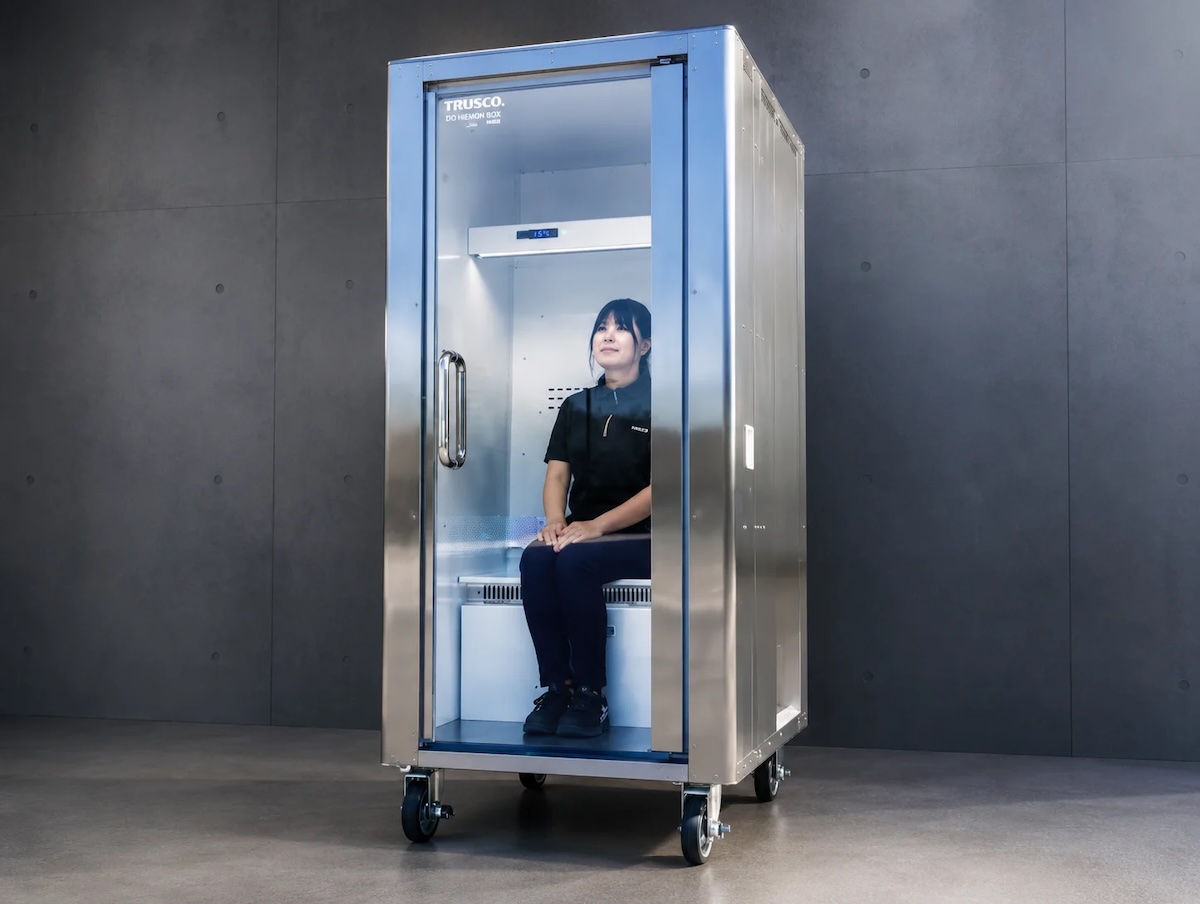
From an engineering standpoint, the Do Hiemon Box is designed as a mobile, autonomous module. The unit is equipped with casters for seamless deployment across work zones and features three distinct operational modes tailored to varying degrees of hyperthermia. A critical safety integration is the automated shut-off timer; the system terminates operation after 20 minutes to eliminate the risk of overcooling or the onset of hypothermia. Furthermore, the device boasts impressive energy efficiency, consuming roughly half the electricity of standard portable air conditioners, making it a viable solution for remote or off-grid sites.
The potential applications for this technology span every sector where personnel are exposed to high temperatures: from construction sites and industrial plants to logistics hubs and open-air urban events. In modern city environments, such modules could become integral components of public infrastructure in schools and shopping centers, providing a baseline of climatic protection for both staff and visitors.
The urgency behind such a product is driven by the harsh reality of the Japanese summer. The climate situation in Japan has reached a tipping point where new terminology has been introduced simply to categorize days exceeding 40°C. The surge in heatstroke cases has become a systemic challenge for both healthcare providers and labor regulations, forcing businesses and government agencies to invest heavily in specialized personal protective equipment against thermal stress.
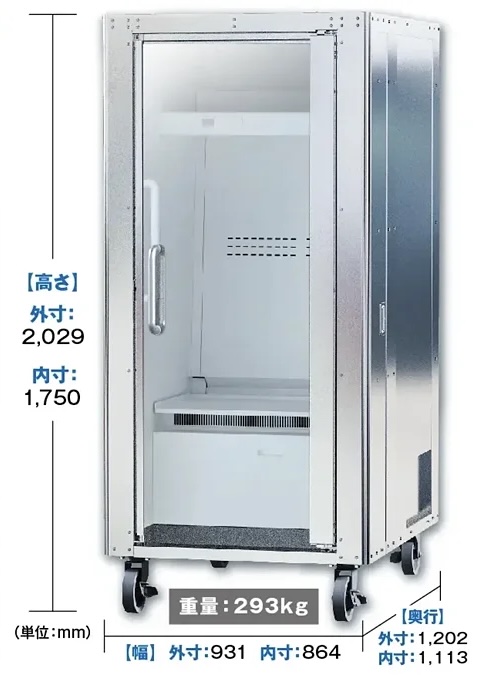
The economic profile of the Do Hiemon Box clearly defines its target market. With a price point exceeding $9,200 (excluding taxes), the product moves out of the consumer segment and firmly into the realm of B2B corporate solutions. Nevertheless, the technology is beginning to penetrate the public sector; for instance, one unit has been provided to the Maebashi city hall, where it is available for free to visitors during business hours, serving as a critical "rescue point" within the urban landscape.
 New Horizons for Motorola's Mobile Ecosystem