The boundary between biological intelligence and silicon circuitry is blurring faster than anticipated. While global attention remains captivated by the experimental trials of Western startups, the genuine pivot toward the mass accessibility of neurotechnology is unfolding in Asia. China has transitioned brain-computer interfaces (BCIs) from the realm of laboratory research into the category of certified medical products. This move marks the dawn of an era of commercialized neuroengineering, establishing it as a new standard for high-tech healthcare delivery.
A recent surgical procedure in Shanghai has effectively transitioned the discourse surrounding brain-computer interfaces (BCIs) from the realm of futuristic speculation into the domain of applied medicine. At Huashan Hospital, a patient suffering from severe hand mobility impairment was implanted with a chip developed by the startup Neuracle Medical Technology. After a decade spent grappling with the aftermath of a spinal cord injury caused by a car accident, the patient now has a tangible opportunity to bridge the gap between the intent to move and its physical execution.
At its technical core, the NEO device leverages epidural signaling. Unlike fully invasive systems that penetrate deep into the cerebral cortex, the coin-sized NEO chip is positioned on the brain's surface. This approach significantly mitigates the risk of inflammatory responses and neural damage without compromising signal acquisition precision. The system intercepts neural impulses and translates them into actionable commands, enabling the control of limb movements or external peripherals.
What distinguishes this case from thousands of prior clinical trials is the regulatory status of the device itself. On March 13, China's National Medical Products Administration (NMPA) officially approved NEO as a commercial product. This milestone signifies that the technology has moved beyond the experimental phase, having successfully navigated a rigorous certification and safety cycle.
The integration of this technology into the healthcare ecosystem has been remarkably swift. Within just four months of regulatory approval, the company established mass production, deployed infrastructure across specialized clinics, and—most crucially—secured inclusion in medical insurance programs. This sets a critical precedent: cutting-edge neurotechnology is no longer an exclusive privilege for participants in costly research studies, but is becoming accessible to a broader patient demographic.
In the long term, such systems aim to dissolve the barrier between humans and digital environments. The ultimate objective is the creation of seamless control over external technology—ranging from smartphones and computers to sophisticated robotic prosthetics—driven directly via neural interfaces. For those living with paralysis, this represents more than just a partial restoration of function; it is a path toward full social reintegration and autonomy within the digital landscape.

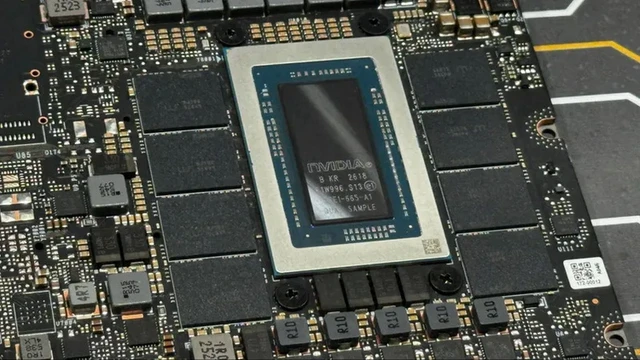 Nvidia N1X and the New Era of Arm PCs