For too long, access to high-precision medical diagnostics has been the exclusive province of large-scale laboratories and specialized clinical centers. Conventional rapid tests available for home use are typically limited to binary outcomes, offering little to no insight into biomarker concentrations or their longitudinal dynamics. The advent of compact molecular analyzers is shifting this paradigm, decentralizing sophisticated analytical processes and bringing them directly to the point of care. VPodDuo technology paves the way for real-time quantitative monitoring of critical health conditions, including oncological pathologies.
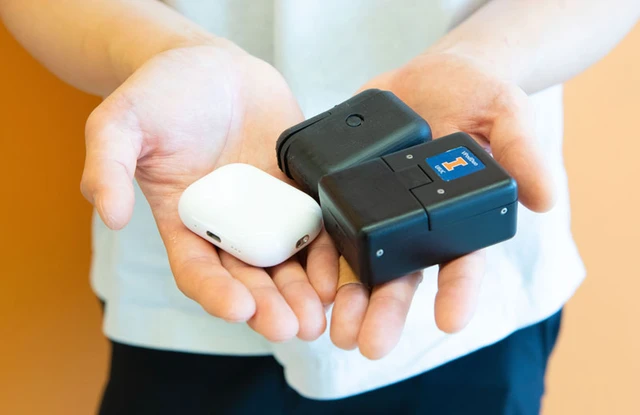
Modern medicine is gravitating toward the point-of-care paradigm—diagnostics performed directly at the patient's bedside or even within the home. Historically, however, portable solutions have been plagued by a compromise in precision: home tests are either too imprecise or require cumbersome sample preparation. The emergence of VPodDuo, a device comparable in size to a wireless earbud case, marks a pivotal shift from merely detecting the presence of a pathogen to performing full-scale quantitative analysis of a sample's molecular composition.
The technical elegance of the device lies in its departure from bulky optical systems. Rather than a traditional camera, engineers have integrated a system of high-sensitivity photodetectors. The mechanism relies on the detection of green fluorescence: the sample is excited by light, and the photodiode records the emission intensity, allowing for the precise determination of the target substance's concentration. To ensure scientific rigor, the device features two independent measurement channels. Standard 200 $\mu$l PCR tubes house both the test and control samples, enabling comparative analysis under identical conditions to eliminate environmental variables.
Intelligence is offloaded to a smartphone, which serves as both the user interface and the computational hub. The mobile application not only monitors the test progress and displays results but also facilitates seamless data transmission to the attending physician. To prevent ambient light from compromising these sensitive measurements, the device incorporates a lid sensor that blocks analysis if the casing is open.
The functional potential of VPodDuo extends far beyond a single analytical method. The system supports a comprehensive stack of cutting-edge molecular technologies: from Recombinase Polymerase Amplification (RPA) and RT-LAMP to innovative CRISPR/Cas-based tests and the TRAP method. Notably, the use of RT-LAMP allows for nucleic acid amplification significantly faster than traditional PCR, as it bypasses the need for complex thermocycling—a critical advantage for a portable format.
Practical validation has confirmed the device's efficacy across diverse scenarios. The analyzer successfully identified sequences for the Zika virus, HIV, and methicillin-sensitive Staphylococcus aureus. Perhaps most significant, however, was the detection of the EGFR gene mutation, a critical biomarker for determining lung cancer therapy. The turnaround time is impressive: most preparation and incubation stages are completed in approximately ten minutes.
Ultimately, VPodDuo demonstrates that laboratory-grade precision can be packaged into a consumer form factor. Its ability to operate with clinically significant concentrations of biomarkers outside sterile lab environments—and across varying temperature regimes—transforms it into a universal platform for preliminary screening. This heralds a new era of personalized healthcare, where the early diagnosis of oncology and infectious diseases becomes accessible globally, regardless of the availability of stationary medical infrastructure.
 The Limits of Terrestrial Survival on the Moon