For decades, the quest for an effective non-invasive method of glucose monitoring has remained the "holy grail" of modern medtech. Conventional methods necessitate either painful skin punctures or the implantation of sensors—processes that impose a significant burden on millions of patients. A pioneering approach developed by engineers at the University of California, San Diego, proposes a strategic pivot: shifting the analytical focus from blood samples to the chemical composition of sweat. This innovation has the potential to fundamentally reshape the paradigm of chronic disease management and routine health monitoring.
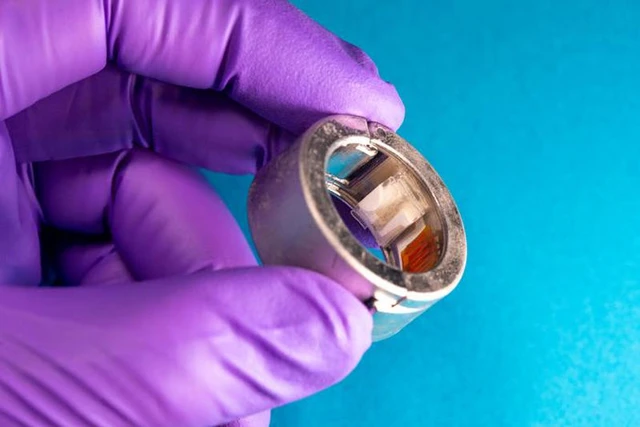
The landscape of wearable technology has long been defined by the duplication of smartwatch functionalities; tracking heart rate, sleep cycles, and blood oxygen levels has become the industry baseline. However, a genuine technological leap is occurring as the focus shifts from basic physical metrics to the molecular analysis of the body's biochemical composition. A newly developed smart ring prototype transcends the limitations of a simple fitness tracker, evolving into a comprehensive diagnostic laboratory worn on the user's finger.
At the core of the device is a system of molecular sensors capable of continuous sweat monitoring. Unlike optical sensors, which measure parameters through the skin, this system analyzes the chemical composition of secretions. The engineers have successfully implemented the simultaneous tracking of four key biochemical markers—glucose, ketones, uric acid, and lactate—alongside concentrations of vitamin C and alcohol. This multimodal capability provides a comprehensive, real-time snapshot of the body's metabolic state.
This technology is particularly transformative for individuals living with Type 1 diabetes. In clinical practice, it is critical to monitor not only glucose levels but also the presence of ketones, as their combination can signal the onset of a dangerous complication: diabetic ketoacidosis. Synchronous monitoring of these indicators allows for high-precision insulin dosage adjustments, minimizing the risk of human error and significantly enhancing the patient's quality of life.
From a technical standpoint, the device demonstrates impressive precision, rivaling existing invasive Continuous Glucose Monitoring (CGM) systems that require the implantation of a subcutaneous sensor. This validates the viability of sweat analysis as a reliable proxy indicator for blood chemistry.
Despite its success in measurement accuracy, the device remains an engineering prototype. The current iteration is characterized by excessive bulk and severely limited autonomy, with a battery life of only 12 hours. Transitioning this concept into a commercial product will require radical optimization of power consumption and the miniaturization of components. Nevertheless, the foundation has been laid for an era of "invisible medicine," where the monitoring of critical health metrics occurs seamlessly in the background, requiring not a single puncture of the skin.
 Virtual Gamepads within the Google TV Ecosystem