13 Jul 2026
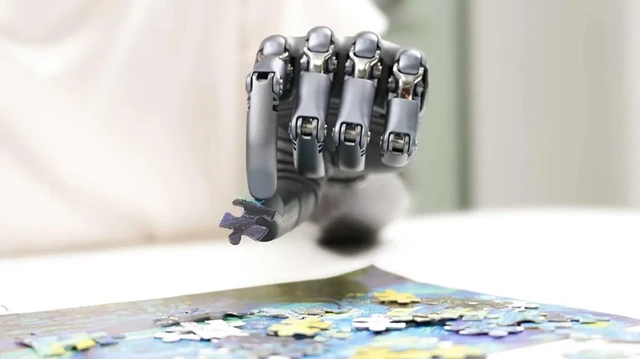 An Alternative Trajectory for Neural Interface Evolution
For years, the ambition to merge human cognition with machine processing power was synonymous with invasive surgical procedures. While Elon Musk’s Neuralink doubles down on high-precision implants, a contrasting philosophy of Brain-Computer Interface (BCI) is taking shape in China. The strategy here pivots toward non-invasive wearables—devices that bypass the inherent risks of craniotomy and significantly lower the barrier to entry. This shift is effectively transitioning neural interfaces from the realm of experimental medicine into a scalable, consumer-ready product.
11 Jul 2026
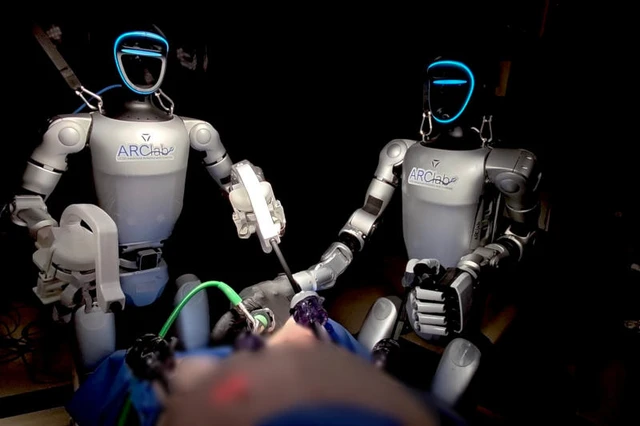 Unitree Humanoids in the Operating Theater
For years, cutting-edge medical technology has been the exclusive domain of premier healthcare institutions, gated by the exorbitant cost of specialized equipment. Yet, the advent of telesurgery promises to dismantle these geographical barriers, empowering world-class surgeons to operate on patients regardless of their location. Researchers at the University of California, San Diego, set out to test this premise by employing the Unitree G1—an accessible humanoid robotic platform—as their primary instrument. This experiment raises a pivotal question: are we on the verge of shifting away from cumbersome, specialized systems toward compact, versatile robotic platforms?
9 Jul 2026
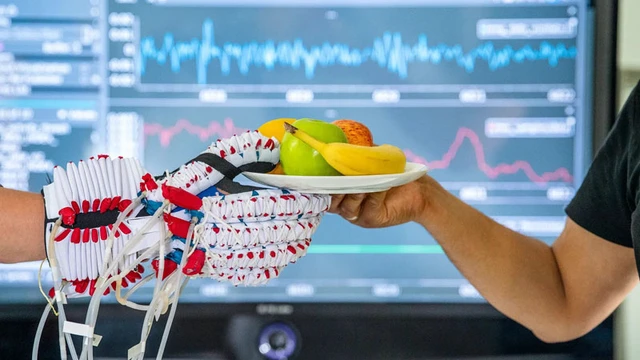 Soft Robotic Exoskeleton for Hand Function Restoration
The loss of hand motor function resulting from a stroke or neurodegenerative disease transforms the simplest daily tasks into insurmountable barriers. For years, modern rehabilitative medicine has struggled to find a middle ground between prohibitively expensive, cumbersome prosthetics and therapies with limited efficacy. The breakthrough lies in the convergence of soft robotics and artificial intelligence—a synthesis designed to restore fundamental autonomy to the patient. Now, engineers in Munich have unveiled an affordable pneumatic exoskeleton capable of effectively interpreting the user's intentions in real-time.
9 Jul 2026
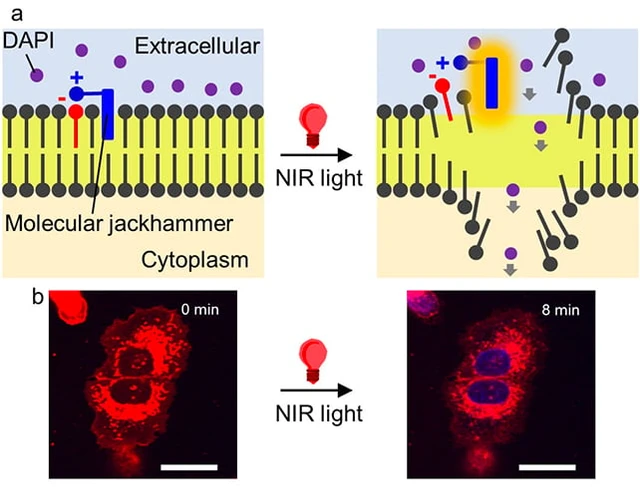 Mechanical Destruction of Cancer Cells via Light
For decades, the fight against cancer has relied on the blunt force of aggressive chemical and radiation therapies. Today, however, modern science is shifting toward a new paradigm: the precision-engineered physical eradication of pathogens. A pioneering method, based on the concept of a "molecular jackhammer," enables the literal rupture of cancer cell membranes. This approach paves the way for a new therapeutic frontier—one defined by high efficacy and minimal systemic side effects.
7 Jul 2026
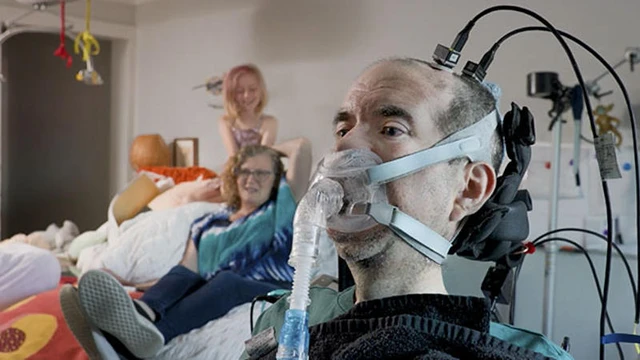 Restoring Speech via Neural Decoding
The boundary between human consciousness and machine execution is becoming increasingly porous. For those living with amyotrophic lateral sclerosis (ALS), the loss of speech is among the most devastating dimensions of the disease. However, recent breakthroughs in brain-computer interfaces (BCIs) and artificial intelligence are reframing these clinical challenges as solvable engineering problems. A new system developed at the University of California, Davis, demonstrates that neural interfaces can transcend the confines of sterile laboratories to integrate into the cadence of a full professional life. This represents more than a medical milestone; it is a fundamental paradigm shift in the synergy between humanity and technology.
7 Jul 2026
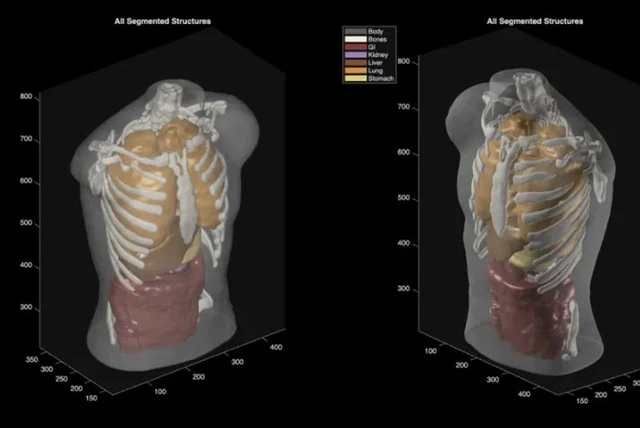 AI-Powered Ultrasound Tomography
Modern medical diagnostics is on the precipice of a fundamental paradigm shift, as traditional methodologies yield to high-velocity, real-time data analytics. Midjourney, a powerhouse renowned for its breakthroughs in generative art, is making a surprising pivot, applying its core competencies to the realm of biomedical imaging. Their newly unveiled ultrasound computed tomography (CT) technology promises to displace cumbersome MRI machines with a safe, rapid, full-body scanning alternative. This ambitious venture aims to transform comprehensive diagnostics from an occasional clinical procedure into a seamless, everyday ritual of proactive health management.
7 Jul 2026
 Laboratory Modeling of Human Organ Development
The divide between natural biological development and laboratory synthesis is growing increasingly porous. For decades, the capacity to engineer fully functional organs from stem cells has stood as the ultimate ambition of regenerative medicine, long obstructed by the formidable complexity of early embryogenesis. A recent breakthrough in spatial biology has now overcome the critical barrier of primary human embryonic structure formation. This milestone lays the groundwork for the realization of personalized organ synthesis and offers profound insights into the mechanisms underlying congenital pathologies.
7 Jul 2026
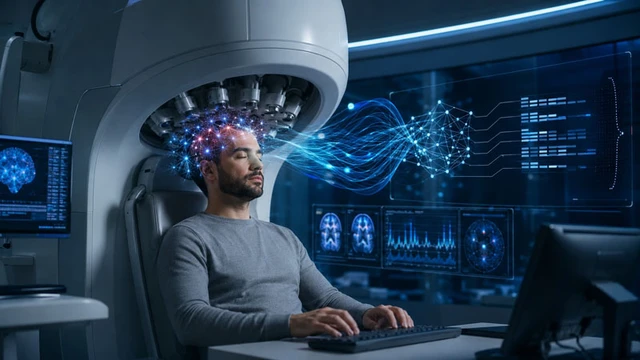 Non-Invasive Thought-to-Text Input
The boundary between human consciousness and the digital interface is becoming increasingly blurred. For millions living with severe neurological impairments and spinal cord injuries, the ability to communicate without the need for muscular engagement remains the ultimate technological frontier. Meta’s latest iteration of the Brain2Qwerty system is shifting this objective from the realm of science fiction into the domain of applied research. By leveraging deep learning and non-invasive scanning techniques, the company aims to bridge the gap between thought and text, bypassing the need for high-risk surgical intervention.
7 Jul 2026
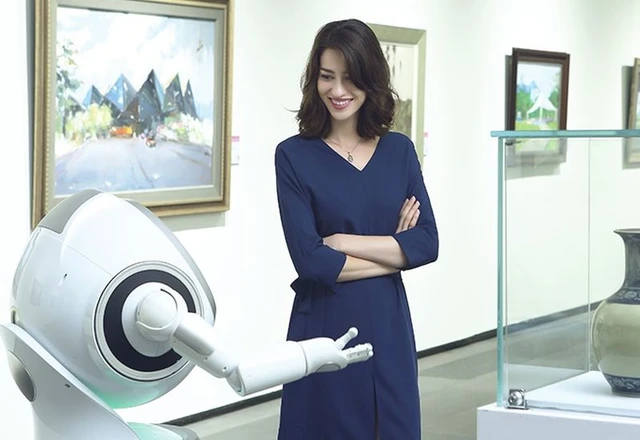 Japan’s Strategic Drive Toward Total Robotization
The modern world is grappling with an unprecedented demographic shift, as an aging population evolves into a systemic risk for the global economy. Positioned at the epicenter of this crisis, Japan is transforming a profound social challenge into a catalyst for a massive technological leap. The nation is pivoting from the sporadic implementation of automation toward a comprehensive strategy: replacing a dwindling human workforce with autonomous systems. The ambitious roadmap to deploy ten million robots by 2040 signals a fundamental transition toward a new paradigm of social and industrial organization.
6 Jul 2026
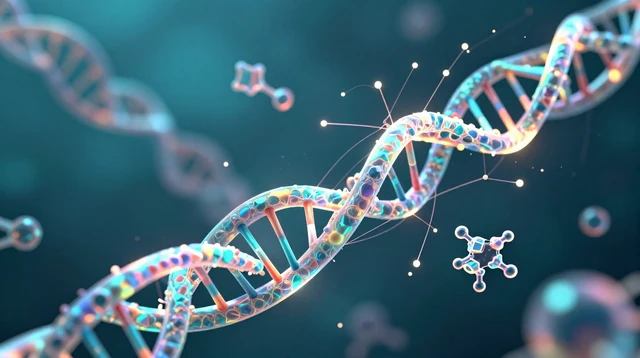 Anthropic’s Path to Drug Discovery
The convergence of Large Language Models and biology is evolving from a phase of theoretical utility into one of practical synthesis. While most AI laboratories confine their efforts to developing tools for researchers, Anthropic is making an audacious leap toward direct pharmaceutical production. This strategic pivot transforms a software provider into a potential rival to the global pharmaceutical titans—a high-stakes wager on the capacity of artificial intelligence to eradicate humanity's "forgotten" diseases.
4 Jul 2026
 Digital Pharmacology in Service of Humanity
The convergence of Large Language Models (LLMs) and biotechnology is shifting from the realm of theoretical exploration into the practical synthesis of therapeutics. Anthropic is making a bold strategic move by pledging to tackle "neglected diseases"—conditions that have been sidelined by the traditional pharmaceutical industry for decades due to poor profit margins. This pivot transforms the AI developer from a mere toolkit provider into an active stakeholder in the biomedical sector. However, the trajectory from in silico molecular prediction to regulatory approval remains one of the most formidable hurdles in contemporary science.
29 Jun 2026
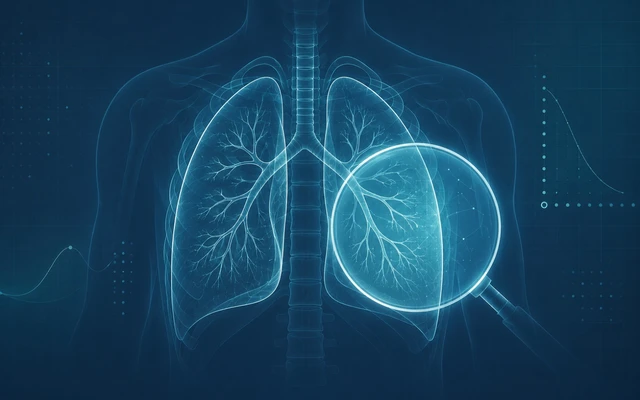 Algorithmic Precision in the Fight Against Cancer
Modern medicine is increasingly hitting the ceiling of human perception, where cognitive biases often cloud the interpretation of complex diagnostic data. In the era of precision healthcare, seeking a second opinion is no longer a mere formality; it has evolved into a critical survival strategy. The integration of Large Language Models (LLMs) into medical imaging analysis paves the way for detecting subtle, rare patterns that might elude even the most seasoned clinicians. A single patient's case illustrates how the synergy between personalized data and AI can prevent over-treatment and safeguard a patient's quality of life.
