11 Jul 2026
 Thirty-three Super Heavy V3 Engines
The contemporary race to the Moon and Mars hinges on the reliability of the most powerful launch system in human history. SpaceX is finalizing preparations for Starship's thirteenth test flight—a mission poised to be a pivotal milestone in validating the spacecraft's latest configuration. Recent static fire tests of the Super Heavy booster confirm that the vehicle is engineered to withstand the immense structural loads encountered during orbital ascent. This launch is designed not merely to replicate past successes, but to systematically rectify the critical shortcomings of previous missions.
11 Jul 2026
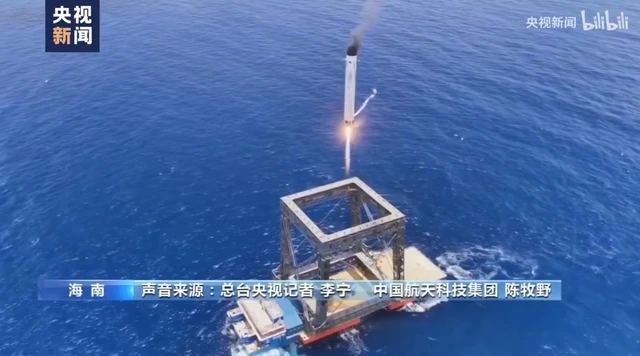 The Triumph of the Long March 10B Reusable Systems
The pursuit of reusability in modern aerospace is no longer the sole domain of a single private entity; it has evolved into a high-stakes global technological rivalry. China has made a decisive leap forward, successfully demonstrating the recovery of a launch vehicle's first stage onto a maritime platform. This milestone marks a pivotal shift from theoretical exploration to the operational deployment of sophisticated dynamic capture systems. Beijing now possesses the tangible technological foundation required to drastically slash the cost of delivering payloads into orbit.
11 Jul 2026
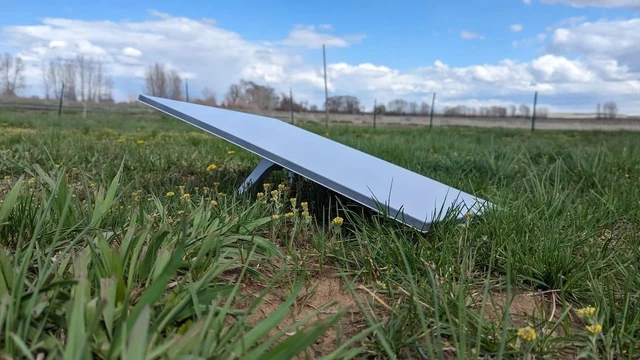 A Hundredfold Leap in Starlink’s Network Capacity
The global race for satellite communication dominance is entering a fundamentally new phase of scaling. SpaceX is not merely aiming to expand its coverage; it seeks to radically redefine the very nature of space-based data transmission, narrowing the performance gap between orbital networks and terrestrial fiber optics. An ambitious roadmap to deploy hundreds of thousands of new satellites is transforming Starlink from a niche service for remote regions into a critical backbone for global AI infrastructure. However, such aggressive expansion raises urgent concerns regarding ecological security and the preservation of the night sky.
10 Jul 2026
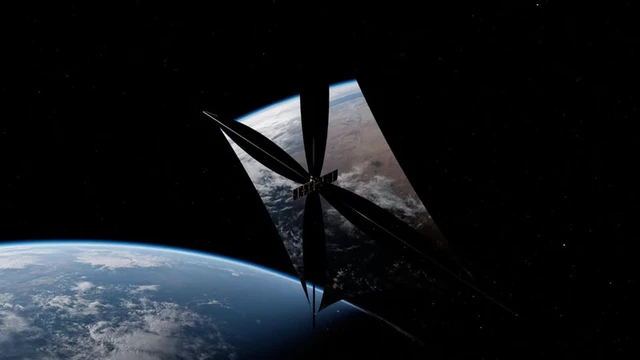 Satellite Mapping of Earth's Nocturnal Illumination
The notion of "sunlight on demand" is evolving from a science fiction trope into a tangible engineering pursuit. The authorization of an experimental mirror satellite opens the door to a global orbital lighting infrastructure designed to illuminate the planet's nocturnal hemisphere. Yet, the developers' technological optimism is meeting stiff resistance from scientists and ecologists alike. At stake is more than just the clarity of astronomical observations; the fundamental biological rhythms of all living organisms are on the line.
10 Jul 2026
 Scaling the Starlink Gen3 Orbital Network
The global race for network dominance has reached an unprecedented new frontier. SpaceX is pivoting from the mere provision of internet connectivity toward the construction of a planetary data infrastructure of colossal proportions. The proposal to deploy 100,000 third-generation satellites signals a fundamental paradigm shift in the conceptualization of orbital networks. This is no longer simply about bridging the digital divide; it is about forging the technological bedrock for an era of ubiquitous artificial intelligence.
10 Jul 2026
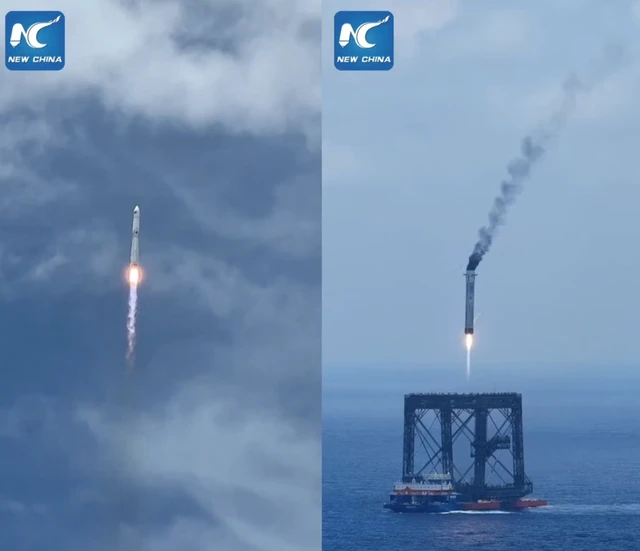 China Masters the Art of Rocket Stage Recovery
The global space race has entered a definitive phase, where the primary battleground is now economic viability and total reusability. In a strategic move to slash payload delivery costs and pave the way for ambitious lunar missions, China is making a decisive leap toward sophisticated recovery architectures. The successful launch and subsequent capture of the LongMarch-10B’s first stage signal a pivotal transition: moving beyond rudimentary experimentation toward the deployment of a full-scale reusability infrastructure. This triumph underscores Beijing's ambition to establish itself as a formidable technological peer to the vanguard of private aerospace.
10 Jul 2026
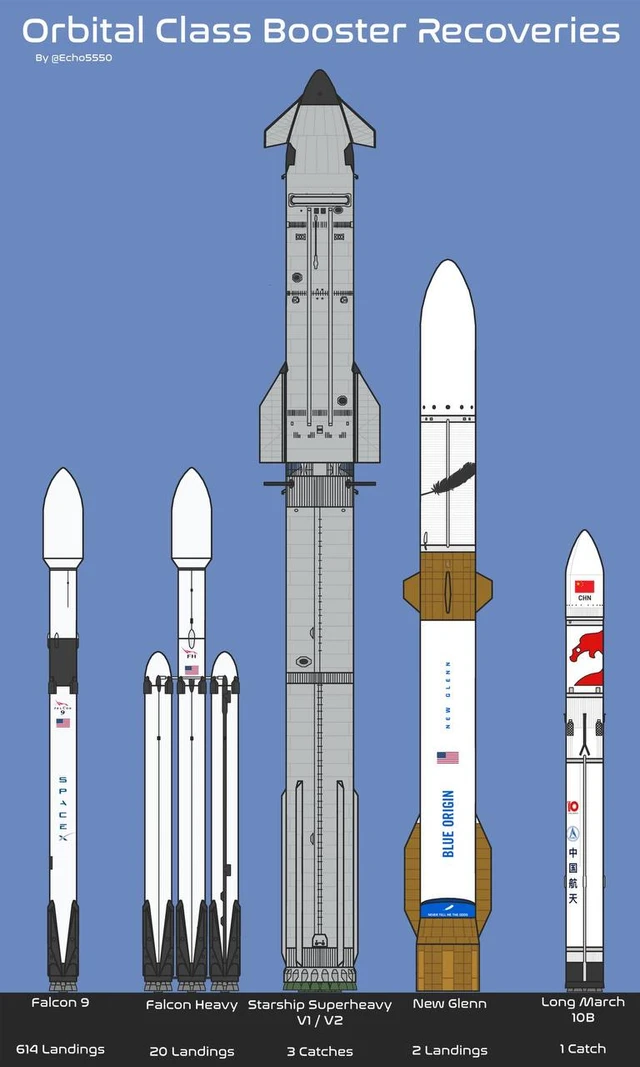 China’s Breakthrough in Reusable Rocketry
The global space industry is undergoing a fundamental paradigm shift toward full reusability—a capability that, for years, remained the exclusive purview of a handful of private American firms. The successful test of the CZ-10B launch vehicle marks a tectonic shift in the balance of power, propelling China into the elite circle of nations capable of recovering orbital stages. This milestone has transcended the realm of mere technical experimentation, serving as a strategic signal of Beijing's ambition to dominate Low Earth Orbit (LEO). Consequently, the cost of access to space is plummeting, and the trajectory to the Moon is becoming significantly shorter.
10 Jul 2026
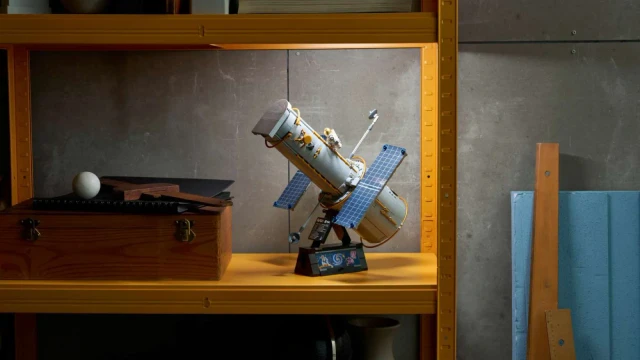 A Detailed Large-Scale Lego Replica of the Hubble Space Telescope
The Hubble Space Telescope has evolved into far more than a mere feat of engineering; it has become humanity's definitive window into the deep history of the cosmos. For decades, this orbital sentinel has rewritten the textbooks of cosmology, refining our understanding of the universe's age and unveiling the mysteries of distant galaxies. Now, this legendary instrument of astronomy is transitioning from the vacuum of space into the realm of high-end collectibles. A new release from Lego translates this pinnacle of engineering ingenuity into a tangible, meticulously detailed model.
9 Jul 2026
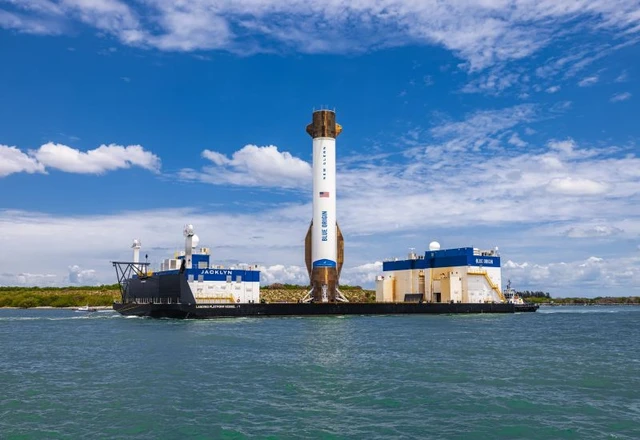 Blue Origin’s Valuation Hits $130 Billion
The race for cosmic supremacy has shifted from a pursuit of technological prestige to a realm of staggering financial stakes. Blue Origin, long maintained as Jeff Bezos's private venture, has opened its doors to external investors for the first time. This pivot signals a strategic shift and an aggressive drive toward scaling amidst intensifying competition. A valuation of $130 billion underscores the founder's ambition to transform his aerospace enterprise into a new global empire.
9 Jul 2026
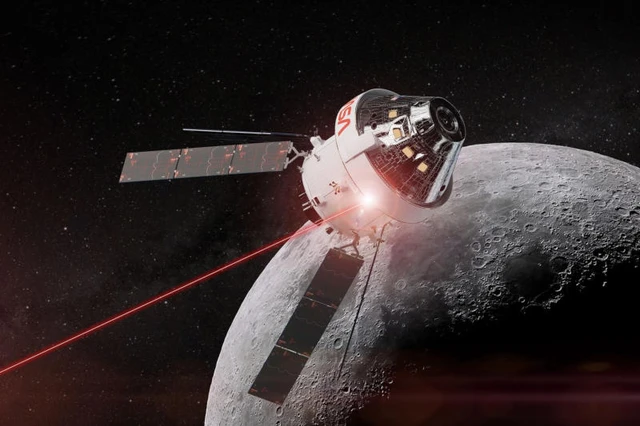 A Laser Bridge Between Earth and the Moon
For decades, the vast expanse between Earth and the Moon served as an insurmountable barrier to the real-time transmission of high-fidelity media. Traditional radio frequencies, while dependable, simply cannot deliver the bandwidth necessary to sustain modern ultra-high-definition standards. NASA has bridged this gap by deploying a cutting-edge laser communication system, effectively transforming the void of deep space into a viable broadcasting hub. This technological leap does more than just enable 4K video streaming; it establishes the fundamental architecture for a new era of interplanetary connectivity.
9 Jul 2026
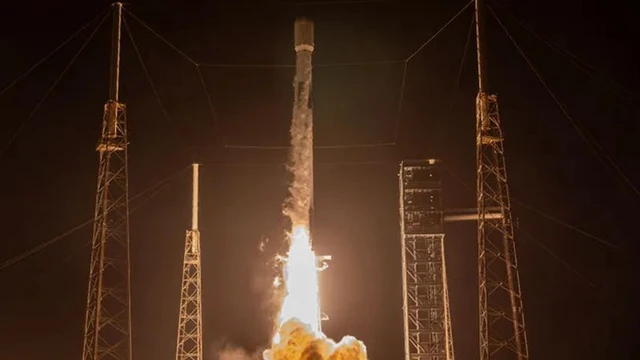 The SpaceX Space Assembly Line and the Dominance of Starlink
The race for Low Earth Orbit (LEO) has evolved from a mere competition into a definitive display of absolute technological dominance. SpaceX has moved beyond simply launching satellites, effectively transforming space into a streamlined logistics hub. Records from the first half of 2026 confirm that the company is constructing infrastructure on a scale that remains utterly unattainable for its rivals. This is no longer just the rollout of a communication network; it is the full-scale industrialization of near-Earth space.
9 Jul 2026
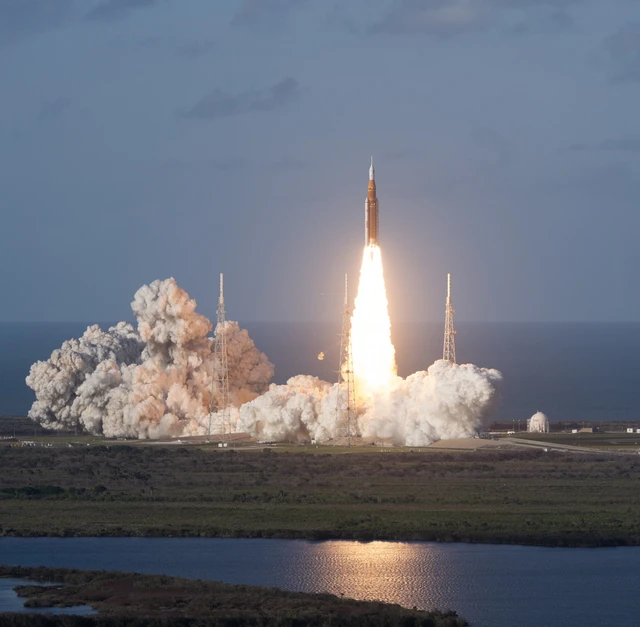 The Artemis II Mission Optical Communication Link
The long-held ambition of capturing high-fidelity, real-time imagery of the lunar surface has finally transitioned from vision to technical reality. The Artemis II mission was far more than a mere reconnaissance flight; it served as a rigorous, large-scale stress test for next-generation communication architectures. By synthesizing years of advancements in laser optics with the scalability of cloud computing, engineers successfully beamed 4K video across the cosmic void. This breakthrough establishes the critical infrastructure for future crewed expeditions and paves the way for a new era of global consumption of high-definition space media.
