The global space race has entered a definitive phase, where the primary battleground is now economic viability and total reusability. In a strategic move to slash payload delivery costs and pave the way for ambitious lunar missions, China is making a decisive leap toward sophisticated recovery architectures. The successful launch and subsequent capture of the LongMarch-10B’s first stage signal a pivotal transition: moving beyond rudimentary experimentation toward the deployment of a full-scale reusability infrastructure. This triumph underscores Beijing's ambition to establish itself as a formidable technological peer to the vanguard of private aerospace.
On July 10, the Wenchang Spacecraft Launch Site on Hainan Island witnessed the ascent of the LongMarch-10B. This mission marks a pivotal milestone for China's space program: the vehicle was tested in its full configuration, successfully delivering a payload prototype into Low Earth Orbit (LEO). However, the primary objective of the mission was not the orbital delivery itself, but rather the demonstration of a controlled first-stage return technology.
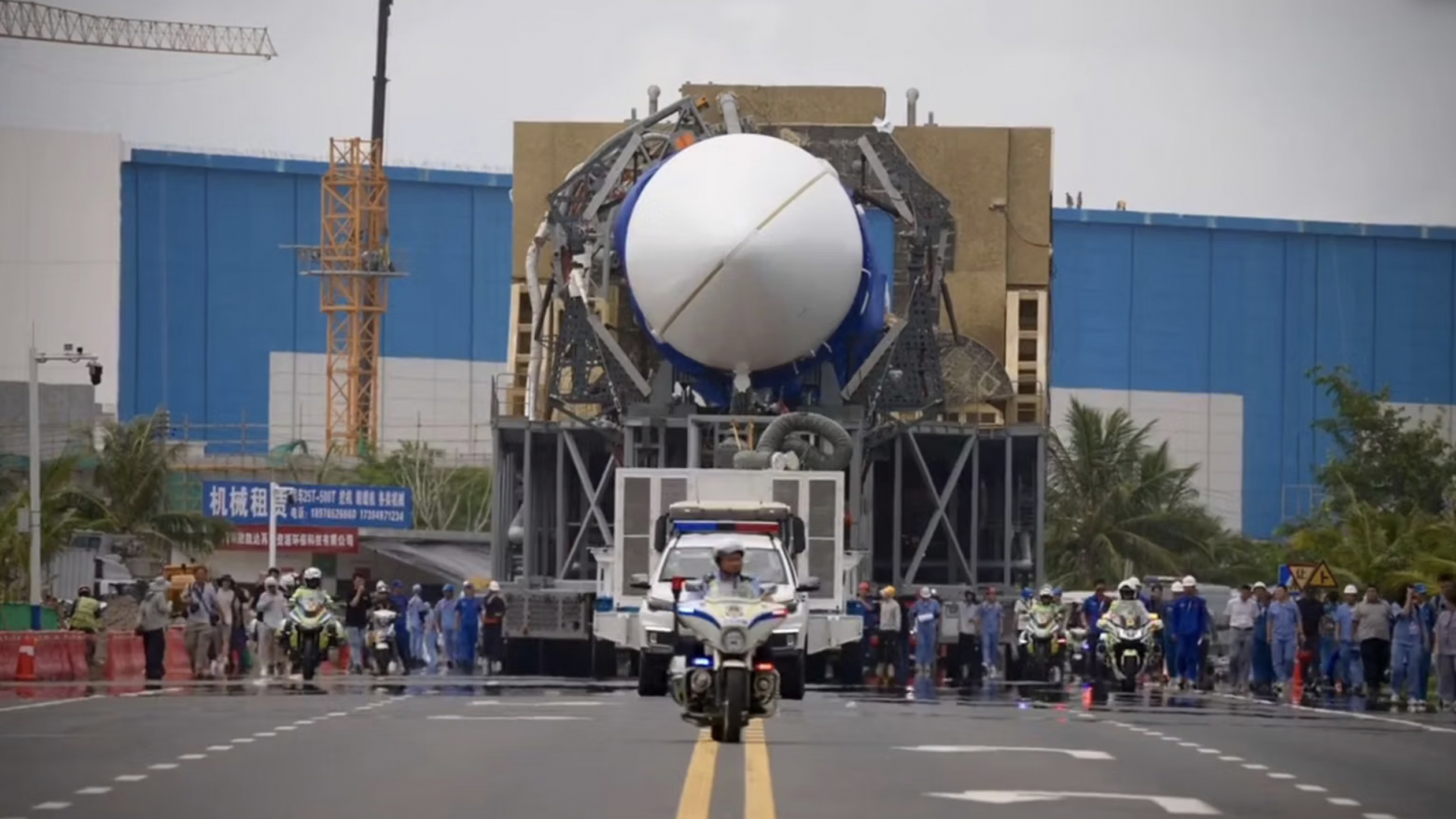
To appreciate the scale of this project, one must look at the broader LongMarch-10 (LM-10) family. These super-heavy-lift launch vehicles are designed to serve as the bedrock for future crewed lunar landings. In its maximum configuration, the LM-10 comprises three Universal Rocket Modules (URM), giving it an architectural kinship with giants like the Falcon Heavy or Delta IV Heavy. Parallel to the flagship project, lighter variants—the LM-10A and LM-10B—are being developed, utilizing only a single module.
The critical distinction between these two variants lies in the second-stage propulsion. While the LM-10A relies on traditional kerosene, the LM-10B is powered by the more advanced YF-219 methane engine. The pivot to methane is a strategic move; this propellant offers higher efficiency and significantly simplifies the engine cleaning process required for rapid reuse. Consequently, the LM-10B is capable of delivering 16 tons to LEO and 11 tons to Geostationary Transfer Orbit (GTO).
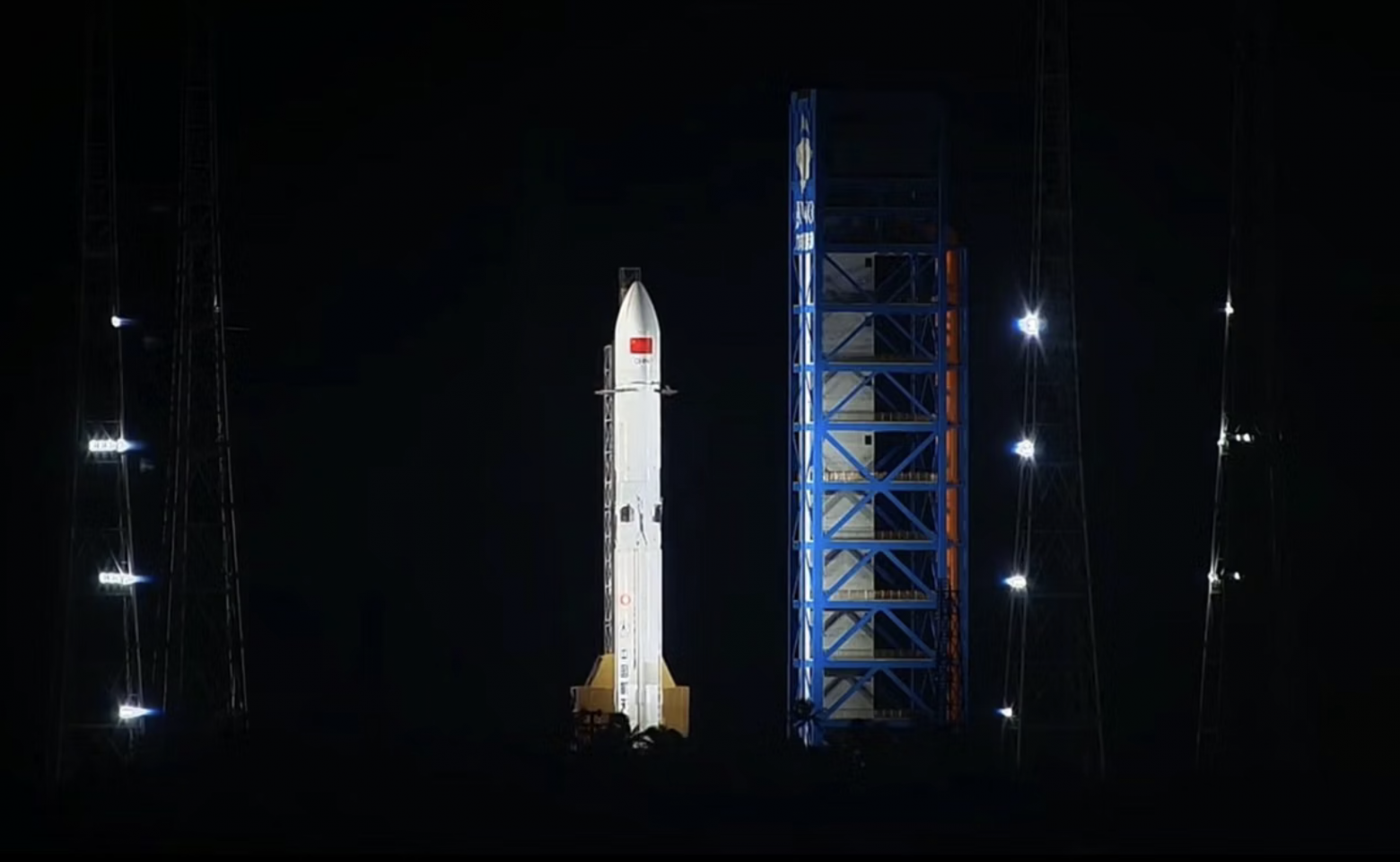
The first stage remains identical across both modifications: a potent kerosene-powered system generating 680 tons of thrust via seven YF-100K engines. This stage had previously undergone preliminary testing in February as part of the LM-10A, carrying the "Mengzhou" capsule to practice a controlled water splashdown. However, the July launch represented a qualitative leap—it was a comprehensive validation of the entire system under actual operational conditions.

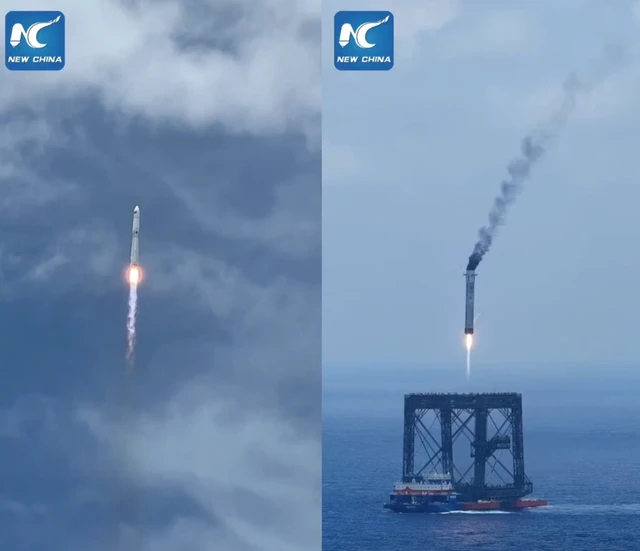
Following a nominal stage separation, the first stage initiated its return maneuver toward the landing zone. During the descent, onboard camera footage captured anomalous smoke plumes. Despite these visual indications of combustion irregularities or potential leaks, the vehicle's overall controllability and trajectory precision remained unaffected.


The mission's finale was its most visually striking and technically demanding phase. Utilizing a single throttlable engine and grid fins for stabilization within the dense layers of the atmosphere, the stage hovered precisely over a specialized maritime platform.
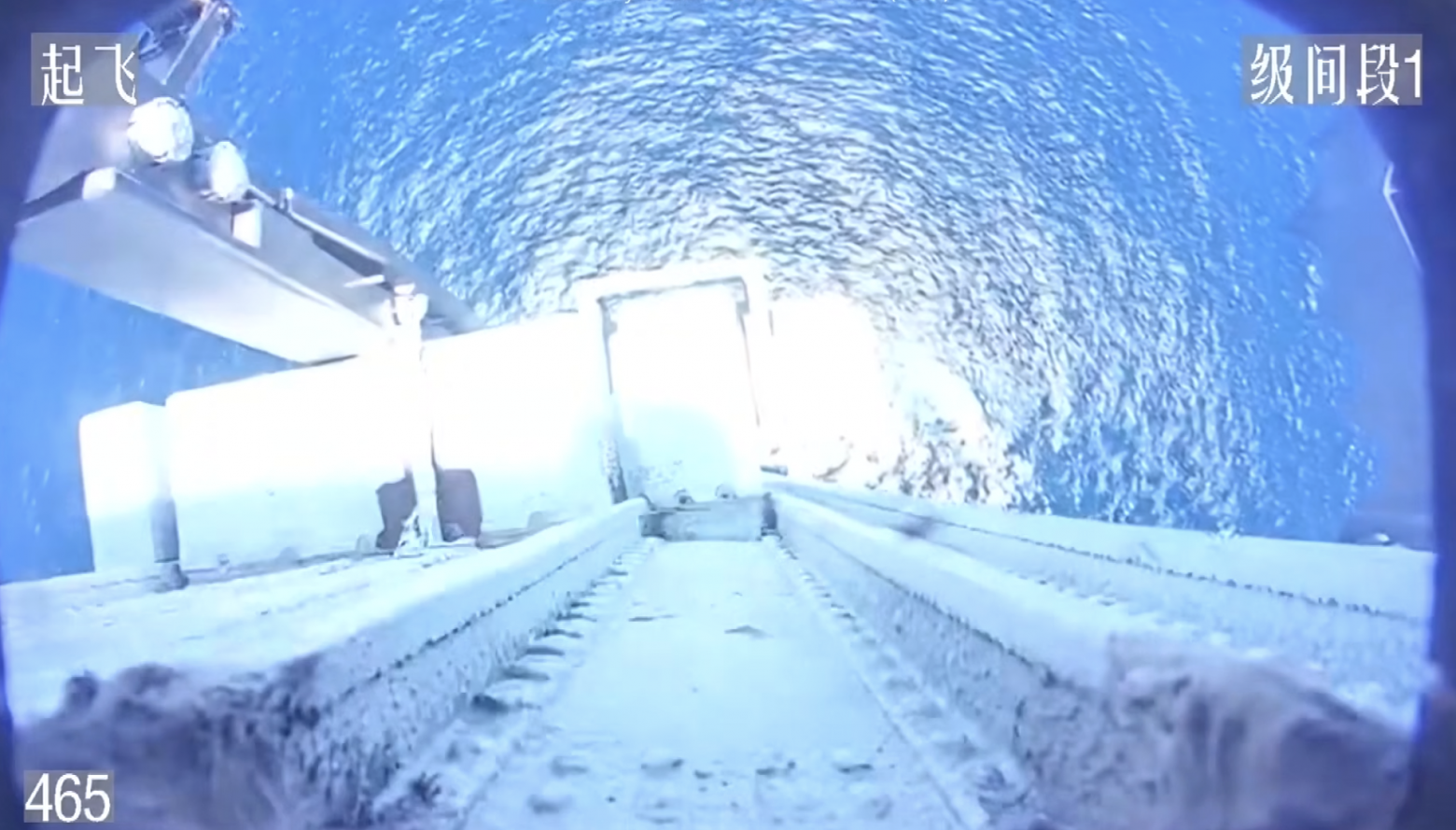

Rather than employing the traditional landing legs seen in most reusable systems, Chinese engineers implemented an unconventional capture method. The stage was guided into an improvised "cup" structure mounted on a barge, where it was snagged by a sophisticated cable system utilizing specialized hooks.
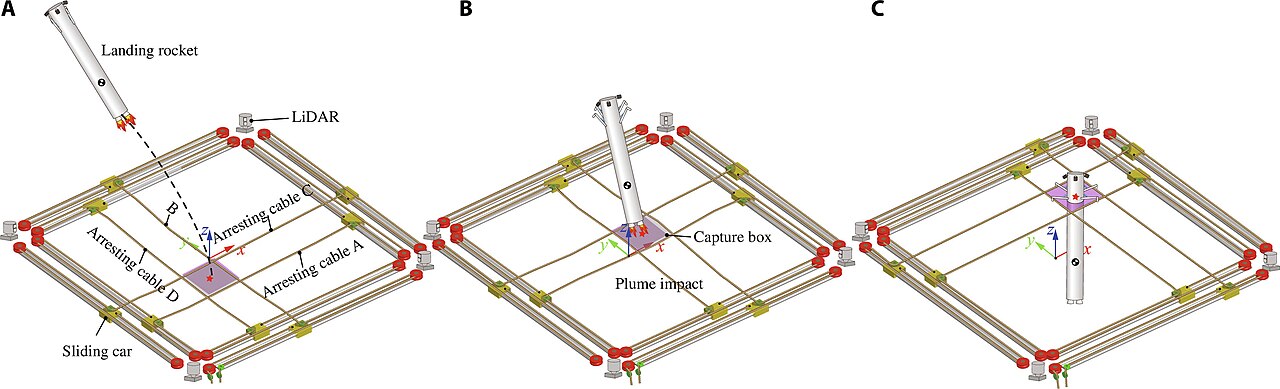
Conceptually, this approach mirrors the capture system intended for SpaceX’s Super Heavy, though it substitutes rigid mechanical "chopsticks" with a cable array. Once the stage reached its calculated position, the cable-tightening mechanism engaged instantaneously, securing the rocket and preventing it from plunging into the ocean.
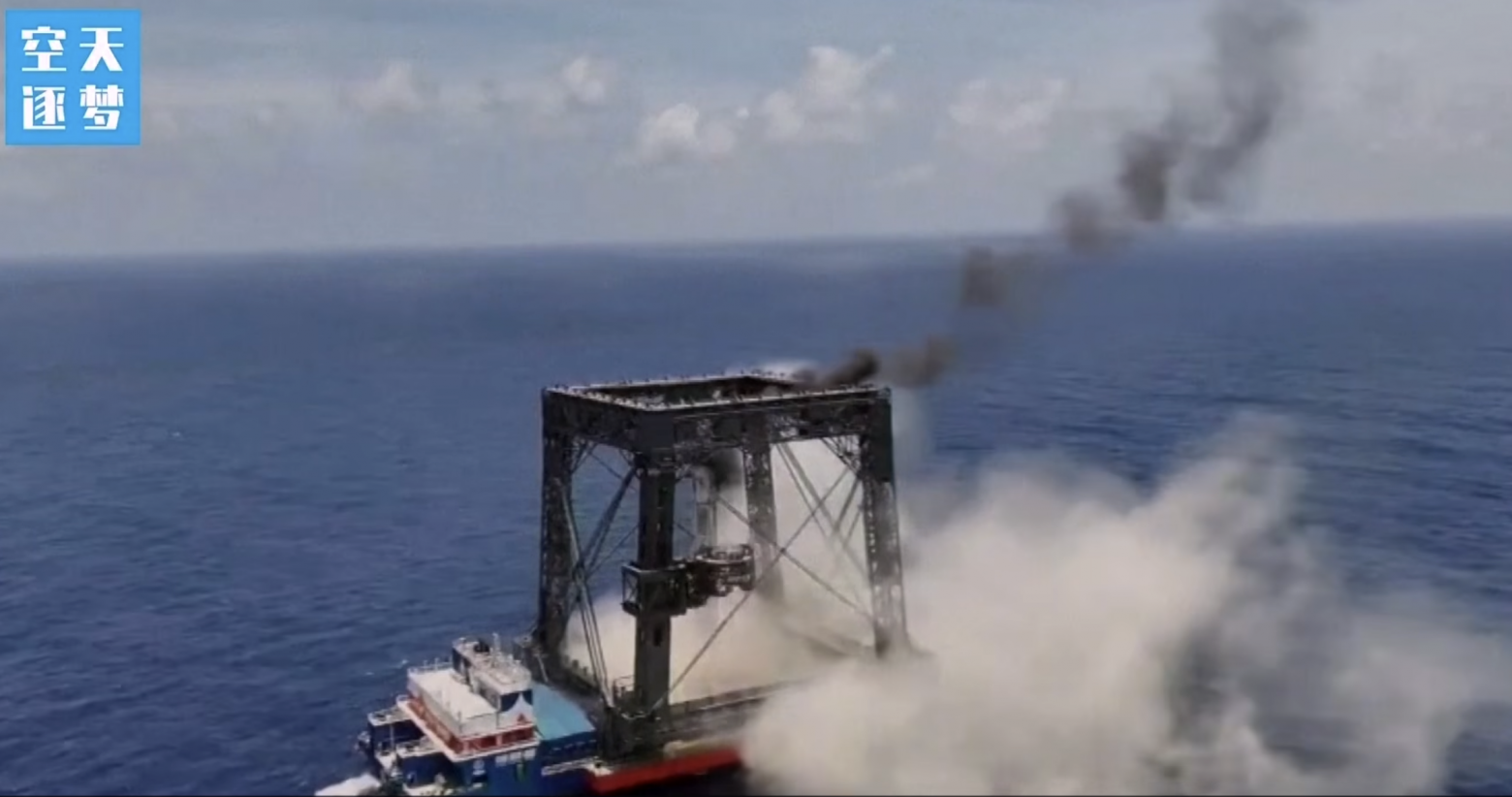
This success paves the way for China to establish a fully closed-loop cycle of stage reusability. The barge, carrying the captured module, will now be transported to port for a detailed forensic analysis of any damage and to determine the cause of the smoke observed during descent.
It is worth noting that reusability is becoming a systemic trend across the entire Chinese space sector, including the private industry. The launch of another promising system—the Zheque-3 from LandSpace—is expected in the near future. Given that the company's previous attempts came tantalizingly close to success, the upcoming flight will further signal that the era of expendable rockets is definitively drawing to a close.
 Starship's Return from the Indian Ocean