25 Aug 2026
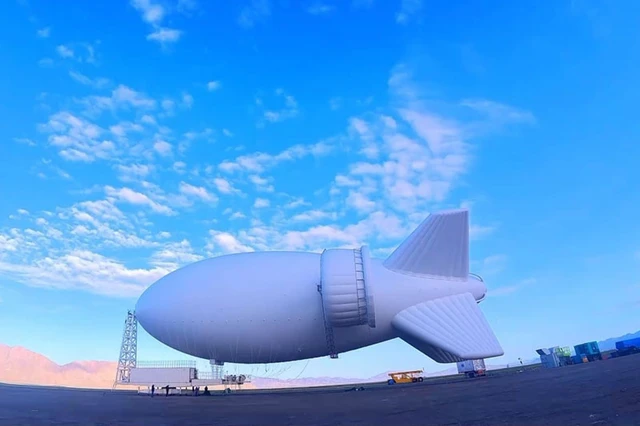 The Energy Potential of Stratospheric Winds
The global energy transition demands a search for resources that transcend conventional engineering boundaries. For too long, traditional wind power has been constrained by the physical limits of tower height and the inherent volatility of surface-level air currents. China is now proposing a radical shift, relocating power generation directly into the sky. Project S4000 heralds a new era of atmospheric exploration, transforming stratospheric winds into a viable and consistent source of energy.
24 Aug 2026
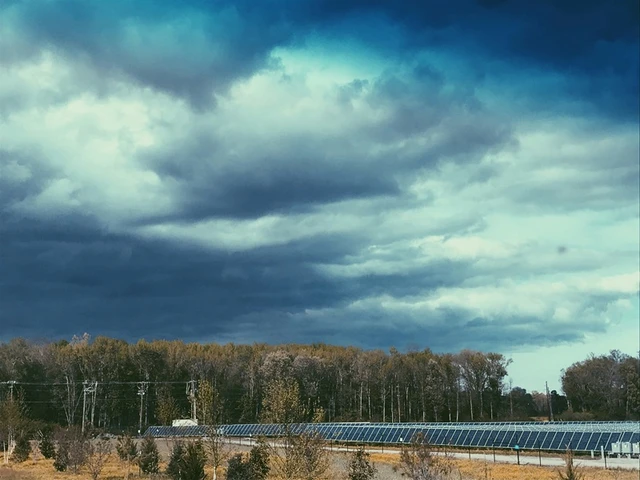 Drones for Cloud Cover Management Over Solar Power Plants
The transition to renewable energy is hindered by a fundamental bottleneck: the inherent volatility of atmospheric conditions. Cloud cover remains the primary culprit, slashing the efficiency of solar arrays and triggering erratic gaps in power generation. Current attempts to mitigate this issue are either prohibitively expensive or ecologically contentious. The solution proposed by the startup Meteoric shifts weather management into the realm of autonomous systems, effectively transforming the atmosphere into a controllable resource.
21 Aug 2026
 The Dark Side of Solar Progress
The global shift toward renewable energy is widely regarded as an unequivocal victory for the planet. Yet, the industrial-scale deployment of "green" energy often masks significant ecological costs that only surface years later. A study examining the impact of solar farms in China has uncovered a troubling trend: the drive to reduce carbon footprints may inadvertently trigger a decline in local biodiversity. This paradox presents a profound dilemma, forcing a choice between aggressive climate targets and the preservation of the natural world.
21 Aug 2026
 The Twilight of Tesla's Solar Roof Ambitions
The energy transition demands more than just bold innovation; it requires a rigorous sense of economic pragmatism. For years, Tesla sought to merge the aesthetics of residential architecture with the utility of renewable energy. Yet, the ambition to transform a standard rooftop into a fully functional power plant collided head-on with the cold realities of market dynamics. Today, the company is effectively conceding defeat in the pursuit of design perfection, pivoting back toward more pragmatic, battle-tested solutions.
20 Aug 2026
 Repairability: The New Benchmark for the Sennheiser Momentum 5
For too long, the wireless audio industry has operated under the paradigm of planned obsolescence. Battery degradation inevitably rendered premium devices obsolete, transforming them into e-waste after only a few years of use. Sennheiser is now challenging this status quo with the launch of the Momentum True Wireless 5. The introduction of replaceable batteries is more than just a technical milestone; it is a direct response to the growing global demand for sustainability and longevity in consumer electronics.
18 Aug 2026
 The Fairphone 6+ Modular Manifesto
For decades, the modern electronics industry has been predicated on the concept of planned obsolescence. Most smartphones are engineered to be prohibitively difficult or costly to repair, fueling a catastrophic surge in e-waste. Fairphone continues to defy this industry norm, prioritizing repairability over superficial marketing appeal. The new Fairphone 6+ represents the latest milestone in the ongoing struggle for a user's right to true ownership of their device.
13 Aug 2026
 Omnidirectional Solar Energy Harvesting
For decades, the quest for optimal solar energy harvesting has centered on sophisticated tracking systems and high-precision panel alignment. Yet, sensitivity to the angle of incidence remains a critical bottleneck for fixed-tilt installations, particularly where spatial constraints are tight. Researchers at Qatar University have proposed a paradigm shift: moving from planar surfaces to spherical geometries capable of capturing sunlight from virtually any angle. This approach prompts a fundamental reconsideration of photovoltaic architecture, allowing us to quantify the actual trade-offs involved in eliminating mechanical solar tracking.
13 Aug 2026
 The Future of Regional Electric Aviation
Aviation remains one of the most formidable sectors to decarbonize, constrained by stringent requirements for energy density and payload capacity. The transition to electric propulsion demands more than a simple replacement of engines; it necessitates a fundamental reimagining of short-haul aviation economics. Successful flight tests of the X1 aircraft demonstrate that operational energy costs could become negligible compared to the expense of traditional kerosene. This technological pivot paves the way for an entirely new paradigm in regional connectivity infrastructure.
12 Aug 2026
 Hydrogen’s Triumph on the Utah Salt Flats
The pursuit of absolute speed has always been an intersection of engineering brilliance and raw human courage. Recent events at the Bonneville Salt Flats have signaled a new chapter in the evolution of propulsion systems—one where sustainability is no longer viewed as a compromise. The JCB Hydromax did not merely shatter world records; it validated the viability of hydrogen combustion under the most extreme operating conditions. This run stands as a powerful manifesto for the industry’s transition toward clean energy, proving that peak performance need not be sacrificed for environmental responsibility.
11 Aug 2026
 Digital Catalyst for Fossil Energy
For years, the environmental footprint of artificial intelligence has been analyzed almost exclusively through the prism of data center energy consumption. Yet, a more rigorous analysis reveals a far more systemic and perilous impact: these algorithms are actively stimulating the extraction of hydrocarbons. Paradoxically, technological leaps in this field are accelerating the exploitation of fossil fuels at a pace that outstrips the growth of green energy generation. Consequently, rather than serving as a catalyst for climate rescue, AI is emerging as a powerful lever that reinforces the legacy energy paradigm.
28 Jul 2026
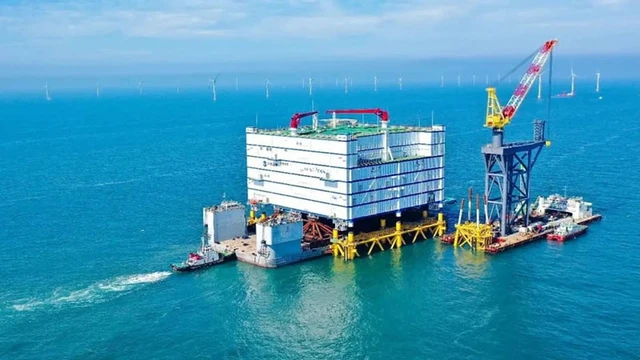 Energy Breakthrough in the South China Sea
The transition toward renewable energy is driving offshore wind farms further from the coastline, where wind patterns are more consistent and potent. However, transporting electricity across vast oceanic distances presents a fundamental engineering hurdle: significant power loss inherent in alternating current (AC) transmission. China has addressed this challenge by developing an offshore direct current (DC) converter of unprecedented scale—a project that marks a new milestone in the evolution of global energy infrastructure and industrial engineering.
22 Jul 2026
 Synthesizing Aviation Fuel from Plastic Waste
The global plastic pollution crisis demands a fundamental shift—moving beyond mere waste collection toward advanced chemical recycling. Conventional polymer disposal methods are frequently plagued by environmental concerns or rendered economically unviable due to the prohibitive cost of catalysts. A promising solution lies in converting plastics into high-value hydrocarbon fuels with properties comparable to aviation kerosene. New research from Chinese chemists proposes a pathway to make this process scalable and accessible by replacing precious metals with efficient, industrially viable alternatives.
