14 Jul 2026
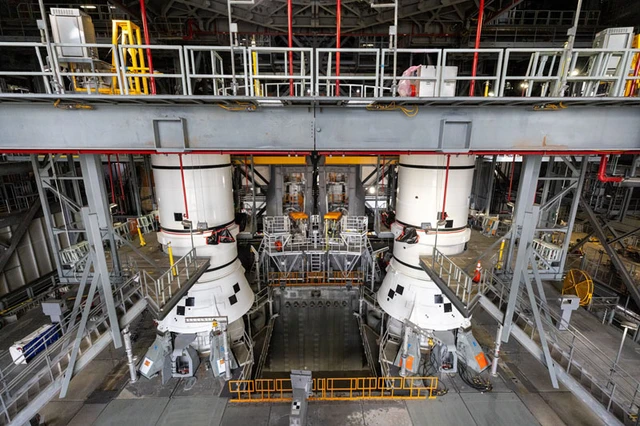 The Cost of Safeguarding Lunar Ambitions
The quest to return humanity to the lunar surface has evolved into one of the most formidable engineering undertakings of the modern era—a mission where the margin for error is non-existent and any single failure could prove catastrophic. At the Kennedy Space Center, assembly is underway for the SLS rocket destined for the Artemis III mission: a technological titan engineered to shatter the bonds of Earth's gravity. Yet, the upcoming launch presents a striking paradox: the most powerful launch vehicle in American history will be deployed primarily for near-Earth maneuvers. This strategic decision underscores NASA’s uncompromising commitment to crew safety before the final leap toward Earth's natural satellite.
14 Jul 2026
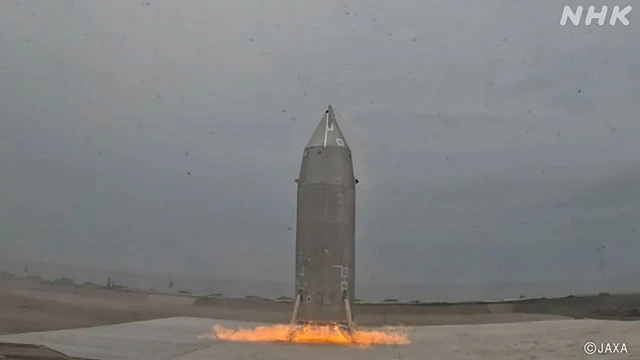 The Maiden Hop of the RV-X Reusable System
The era of expendable rocketry is steadily receding, giving way to the paradigm of reusable stages—a shift that is fundamentally redefining the economics of orbital access. Japan, long characterized by its conservative approach to aerospace, is now making a decisive leap toward VTVL (Vertical Takeoff, Vertical Landing) technology. The testing of the RV-X prototype serves as a pivotal validation of Japan's engineering vision; though brief, this flight establishes the essential foundation for a new generation of domestic reusable launch vehicles.
14 Jul 2026
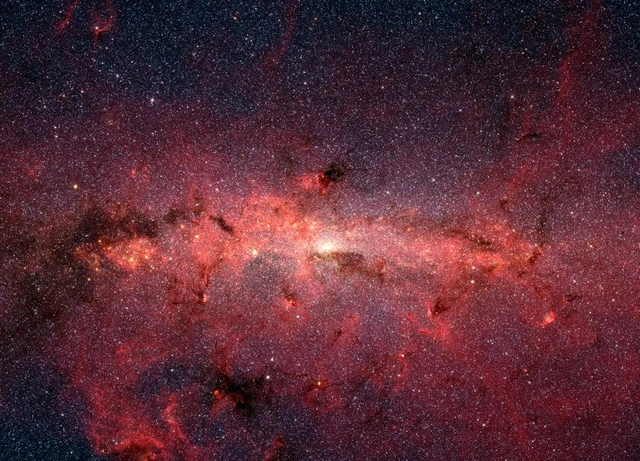 The First Discovery of Genuine Sugars in Deep Space
The origin of life remains one of the most profound enigmas of modern science, existing at the intersection of chemistry and astrophysics. For decades, researchers have grappled with whether complex organic compounds could emerge within the sterile void of space long before the Earth ever took shape. The recent detection of erythrulose molecules at the center of the Milky Way provides a significant catalyst for research into prebiotic chemistry, lending weight to the hypothesis that the fundamental building blocks of life are ubiquitous throughout the cosmos.
13 Jul 2026
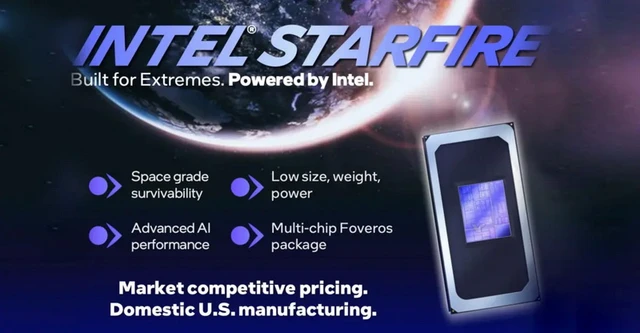 The Computational Resilience of the Intel Starfire Processor
Deep space exploration demands a level of electronic reliability that transcends terrestrial standards. In the void, ionizing radiation and extreme thermal cycling render conventional semiconductors fragile, leaving them susceptible to catastrophic failure. Intel Starfire emerges as the solution—a specialized processor engineered to synthesize high-performance modern computing with uncompromising resilience. This silicon marks a pivotal shift from rudimentary control systems toward sophisticated, fully integrated onboard AI capable of thriving in the harshest reaches of open space.
13 Jul 2026
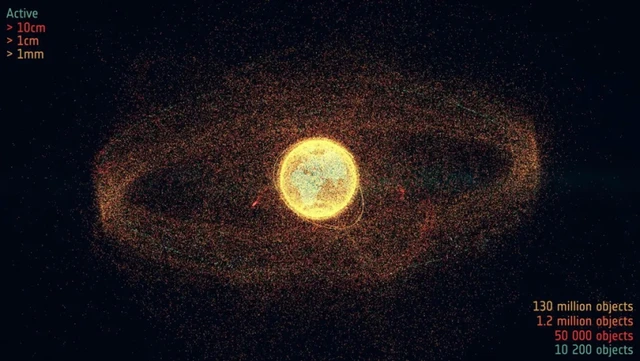 The Risks of Orbital Contamination in the Geostationary Belt
Earth’s orbital environment is steadily evolving into a high-risk zone. Of particular concern is the geostationary orbit (GEO), where the world's most expensive and strategically critical communication and surveillance satellites are concentrated. Recent research has revealed the presence of small, previously undetected fragments that effectively create a "minefield" at an altitude of 36,000 kilometers. In the absence of atmospheric drag to clear these orbits, this debris poses a permanent threat to our global digital infrastructure.
12 Jul 2026
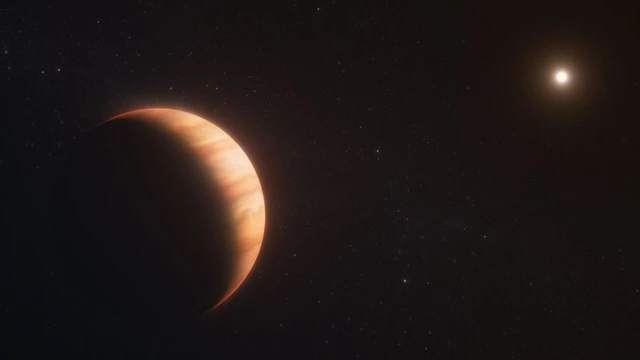 Survival Scenarios for Planets Orbiting White Dwarfs
The death of a star typically signals a final sentence for its orbiting companions. However, the discovery of exoplanet WD 1856 b, orbiting a white dwarf, challenges conventional wisdom regarding the inevitable demise of planetary systems. Leveraging the James Webb Space Telescope, researchers have peered into the atmosphere of this giant, uncovering unexpected chemical signatures. This finding compels a reevaluation of the mechanisms governing celestial migration under extreme conditions. It represents the first documented instance of a planet surviving the collapse of its parent star.
12 Jul 2026
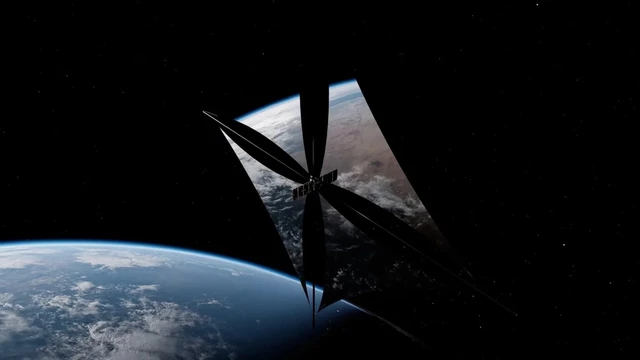 Orbital Mirrors for Nocturnal Illumination
Humanity is once again attempting to defy the natural rhythms of day and night. Reflect Orbital’s ambitious venture to deploy orbital mirrors promises to transform sunlight into a controllable resource, accessible even in the depths of darkness. Yet, this technological leap ignites a profound conflict between the relentless drive for innovation and the preservation of the night sky’s pristine majesty. The FCC's decision to greenlight the launch of the first satellite, Eärendil-1, opens the door to an era where planetary illumination could be commodified as a commercial service.
11 Jul 2026
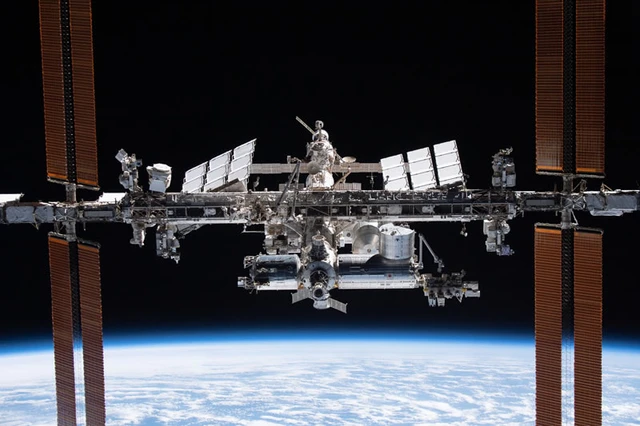 A New Benchmark for Private Presence in Space
The era of the International Space Station is drawing to a close, marking the end of an unprecedented chapter of global cooperation in the cosmos. Today, the focus is shifting toward a new paradigm: the comprehensive commercialization of Low Earth Orbit (LEO). NASA has unveiled detailed requirements for private orbital platforms, aiming to orchestrate a seamless transition as humanity pushes toward new frontiers. This pivot effectively transforms the agency from a sole operator into a strategic client within a rapidly accelerating space economy.
11 Jul 2026
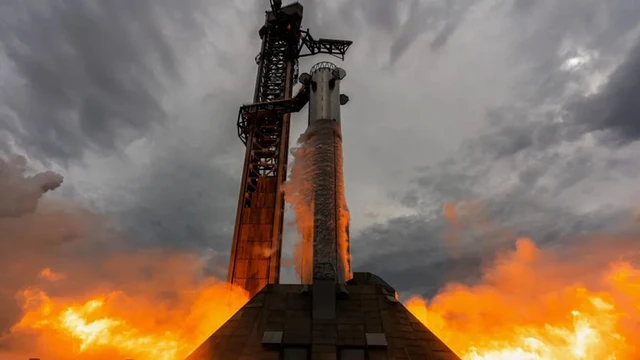 Thirty-three Super Heavy V3 Engines
The contemporary race to the Moon and Mars hinges on the reliability of the most powerful launch system in human history. SpaceX is finalizing preparations for Starship's thirteenth test flight—a mission poised to be a pivotal milestone in validating the spacecraft's latest configuration. Recent static fire tests of the Super Heavy booster confirm that the vehicle is engineered to withstand the immense structural loads encountered during orbital ascent. This launch is designed not merely to replicate past successes, but to systematically rectify the critical shortcomings of previous missions.
11 Jul 2026
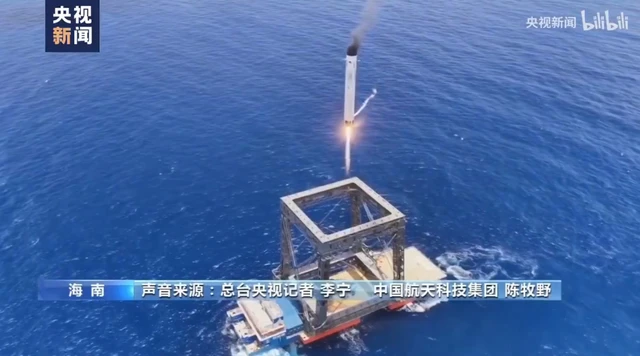 The Triumph of the Long March 10B Reusable Systems
The pursuit of reusability in modern aerospace is no longer the sole domain of a single private entity; it has evolved into a high-stakes global technological rivalry. China has made a decisive leap forward, successfully demonstrating the recovery of a launch vehicle's first stage onto a maritime platform. This milestone marks a pivotal shift from theoretical exploration to the operational deployment of sophisticated dynamic capture systems. Beijing now possesses the tangible technological foundation required to drastically slash the cost of delivering payloads into orbit.
11 Jul 2026
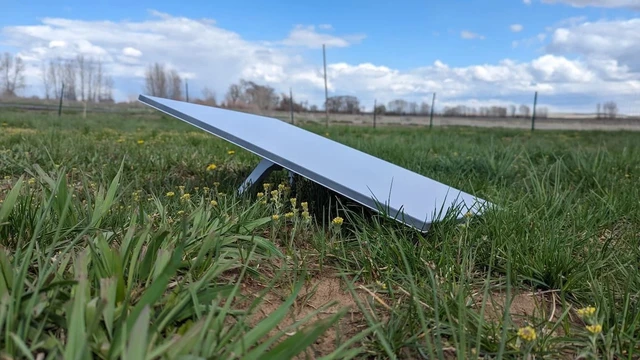 A Hundredfold Leap in Starlink’s Network Capacity
The global race for satellite communication dominance is entering a fundamentally new phase of scaling. SpaceX is not merely aiming to expand its coverage; it seeks to radically redefine the very nature of space-based data transmission, narrowing the performance gap between orbital networks and terrestrial fiber optics. An ambitious roadmap to deploy hundreds of thousands of new satellites is transforming Starlink from a niche service for remote regions into a critical backbone for global AI infrastructure. However, such aggressive expansion raises urgent concerns regarding ecological security and the preservation of the night sky.
10 Jul 2026
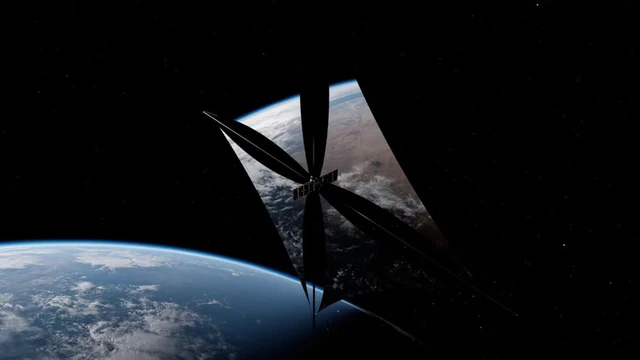 Satellite Mapping of Earth's Nocturnal Illumination
The notion of "sunlight on demand" is evolving from a science fiction trope into a tangible engineering pursuit. The authorization of an experimental mirror satellite opens the door to a global orbital lighting infrastructure designed to illuminate the planet's nocturnal hemisphere. Yet, the developers' technological optimism is meeting stiff resistance from scientists and ecologists alike. At stake is more than just the clarity of astronomical observations; the fundamental biological rhythms of all living organisms are on the line.
