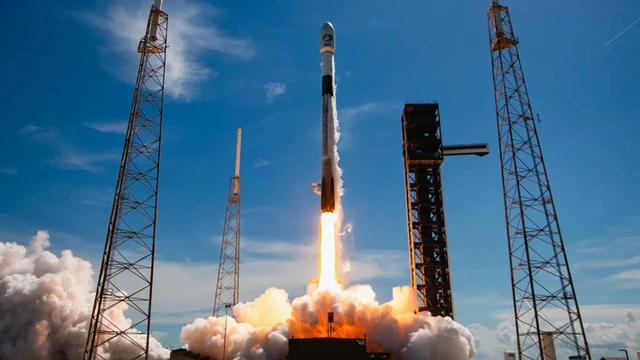
The global electric vehicle market has evolved into a flashpoint where industrial ambition clashes with stringent regulatory pressure. Recent rumors suggesting a potential spin-off of Tesla’s Chinese operations have sent shockwaves through the industry, casting doubt on the long-term viability of the company's business model in Asia. At the heart of the controversy is a perceived conflict of interest between SpaceX's sensitive government defense contracts and Tesla's massive manufacturing footprint in Shanghai. This forced Elon Musk to issue a definitive rebuttal to stifle mounting speculation regarding a potential restructuring of his corporate assets.
The controversy was ignited by a report in The Wall Street Journal, which suggested that Tesla might be forced to divest its Shanghai Gigafactory under regulatory pressure. According to the report, consultants allegedly advised Musk to either sell or liquidate the Chinese operation to avoid legal and political conflicts. Elon Musk’s response was swift and uncompromising: taking to X, he dismissed the reports as "absurdly fake," asserting that such a move had never even been discussed.
The logic underpinning these rumors stems from the hypothetical consolidation of Musk’s various ventures. Industry experts have long debated the possibility of a merger between Tesla and SpaceX, yet such a move is fraught with significant regulatory hurdles. As a primary contractor for the U.S. government in aerospace and defense, SpaceX is subject to stringent restrictions regarding ownership structures and foreign ties. The existence of a massive, wholly-owned production hub in China creates a geopolitical paradox when attempting to bring both entities under a single corporate umbrella.
While Musk has previously avoided direct answers regarding a potential merger, he has noted that the companies' operational activities and tech stacks already overlap significantly. Nevertheless, any talk of decoupling the Chinese business seems unfounded, given Shanghai’s strategic role in Tesla’s global supply chain.
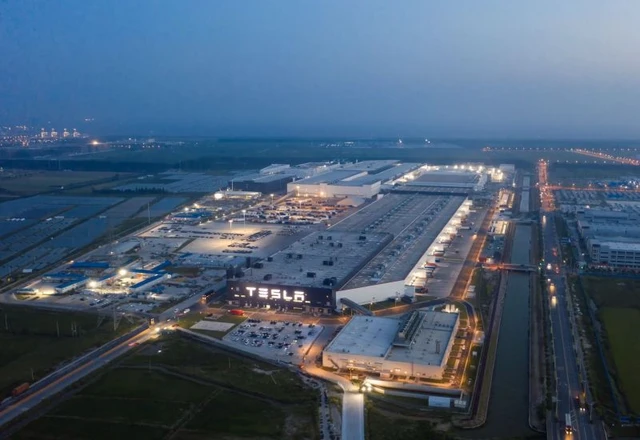
The Shanghai plant is far more than a local assembly site; it serves as one of the company's primary export hubs. From here, vehicles are shipped not only to the domestic Chinese market but also to Asia, Europe, and Canada. Notably, the Canadian market has become increasingly accessible for Chinese-assembled vehicles following a revision of import tariffs, effectively expanding the Shanghai facility's sphere of influence.
With a production capacity exceeding 950,000 vehicles annually, the plant remains Tesla’s second most critical market after the U.S., despite aggressive pressure from domestic Chinese EV brands. The facility's economic efficiency is driven by deep localization; for the Model 3 and Model Y, the company relies on local components for over 95% of production.
Growth dynamics further validate this strategy. In the second quarter, sales and export volumes for Shanghai-built vehicles surged by 32.8% year-on-year. Consequently, any attempt to artificially sever the Chinese business from the corporate core not only contradicts Musk’s assertions but appears economically irrational, given the deep integration of production and Tesla's aggressive market expansion in the region.
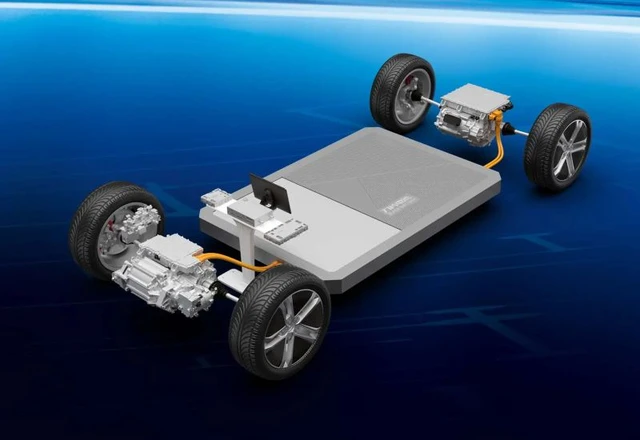 Solid-State Batteries are Changing the Game