7 Jul 2026
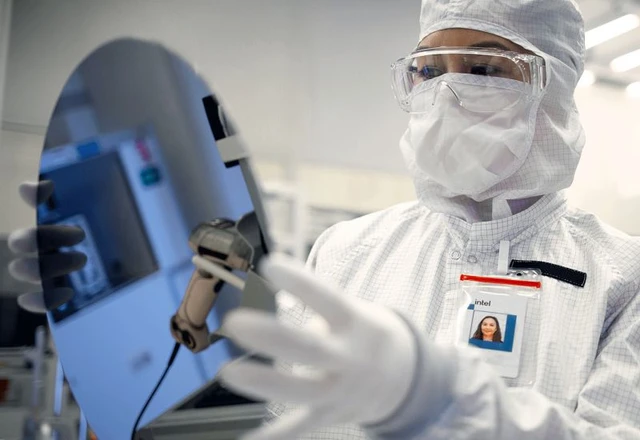 Intel's Progress in Mastering the 14A Process Node
In the semiconductor industry, the success of a new process node is dictated less by theoretical potential than by the cold, hard mathematics of wafer yield. Every migration to a more advanced node is fraught with initial yield instability—a period of high defect rates that can prove fatal to a product's commercial viability. Intel is currently navigating this critical phase with its 14A process, aiming to cement its dominance in chip manufacturing by the end of the decade. Current metrics suggest that the company is resolving these manufacturing hurdles far more rapidly than industry benchmarks would typically dictate.
7 Jul 2026
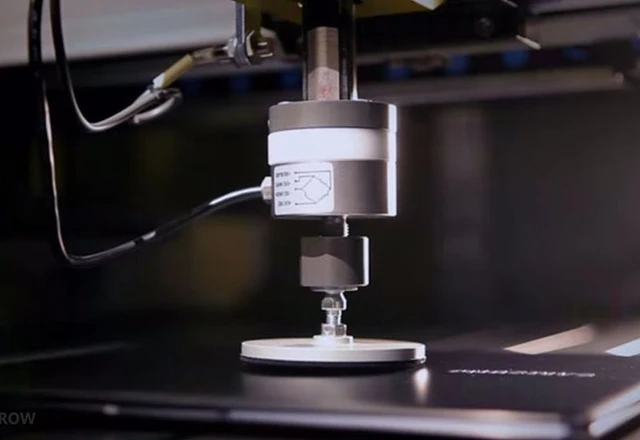 Digital Twins Accelerate Samsung's Development Cycles
Modern industry is undergoing a fundamental paradigm shift toward the comprehensive digitalization of production cycles. Amidst the cutthroat competition of the electronics market, time-to-market has evolved into a critical determinant of survival. South Korean titan Samsung is doubling down on the deep integration of artificial intelligence and the implementation of digital twins. This strategic pivot enables the company to drastically compress product testing timelines by migrating grueling physical trials into the realm of high-fidelity simulations.
7 Jul 2026
 Streamlining Extreme Ultraviolet (EUV) Optics
The relentless pursuit of smaller process nodes in the semiconductor industry has collided with a formidable barrier: the exponential surge in equipment costs. Modern Extreme Ultraviolet (EUV) lithography, which enables the fabrication of chips with staggering transistor densities, demands optical systems of unprecedented complexity. A groundbreaking study from the Okinawa Institute of Science and Technology proposes a radical reimagining of the fundamental geometry underlying these systems. Shifting toward a linear architecture could do more than just streamline the production of nanometer-scale structures; it could drastically lower the financial barrier to entry for the next generation of high-performance computing.
7 Jul 2026
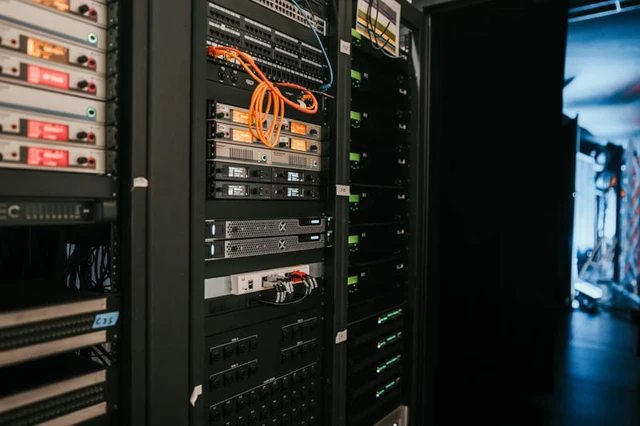 The End of x86 Dominance in Data Centers
The global server hardware market is undergoing a tectonic shift, one that is fundamentally rewriting the industry's rulebook. For decades, the absolute dominance of x86 architectures seemed immutable; however, the rise of artificial intelligence has catalyzed a demand for a new breed of efficiency. Today, alternative computing solutions are rapidly seizing nearly half the market, systematically displacing the traditional incumbents. This transition signals a fundamental paradigm shift in the very architecture of global digital infrastructure.
7 Jul 2026
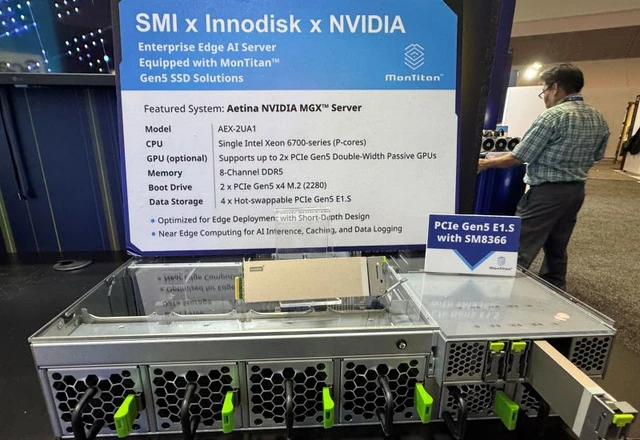 Nvidia Emerges as the Primary Catalyst for PCIe 6.0
For years, the hierarchy of computing interfaces was dictated solely by the x86 titans, Intel and AMD. However, the meteoric rise of artificial intelligence and the migration of computational workloads toward GPUs have radically shifted the balance of power. Today, memory controller architects are increasingly aligning their strategies with Nvidia's roadmaps, effectively acknowledging the company as the new technological hegemon. This pivot signals a departure from a CPU-centric development model toward an ecosystem where data throughput is governed by the insatiable demands of graphics accelerators.
7 Jul 2026
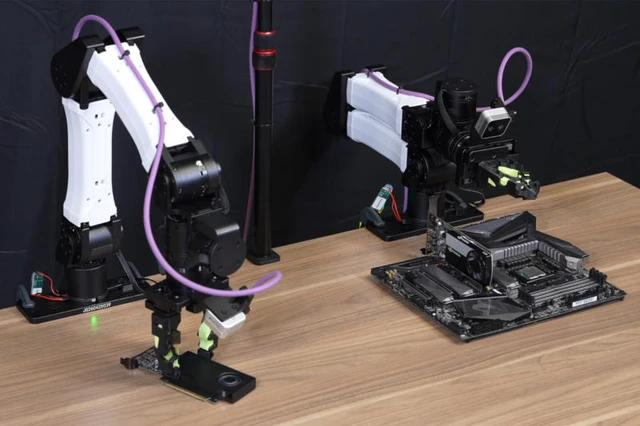 Autonomous Agents Master the Art of Electronics Assembly
The boundary between digital cognition and physical agility is blurring at an accelerating pace. Nvidia’s ENPIRE project showcases the ability of contemporary AI agents to autonomously master intricate real-world manipulations, moving beyond the limitations of rigid, hard-coded programming. By synthesizing the power of Large Language Models (LLMs) with robotic hardware, the system shifts toward a paradigm of experiential learning and iterative error analysis. This evolution clears the path for truly agile, autonomous production environments capable of adapting to new operational demands in real time.
7 Jul 2026
 Optoelectronics with Selective Forgetting Capabilities
Modern artificial intelligence systems are hitting a fundamental wall in energy efficiency, a consequence of the rigid architectural divide between data processing and storage. The incessant shuttling of information between the processor and memory generates immense overhead—a systemic inefficiency widely recognized in the industry as the "von Neumann bottleneck." A potential remedy lies in the shift toward neuromorphic computing, an approach where sensors are imbued with rudimentary cognitive capabilities. In a significant breakthrough, researchers at Oregon State University have unveiled a device that does more than simply capture light; it can selectively "forget" irrelevant data, effectively mimicking the biological mechanisms of the human brain.
7 Jul 2026
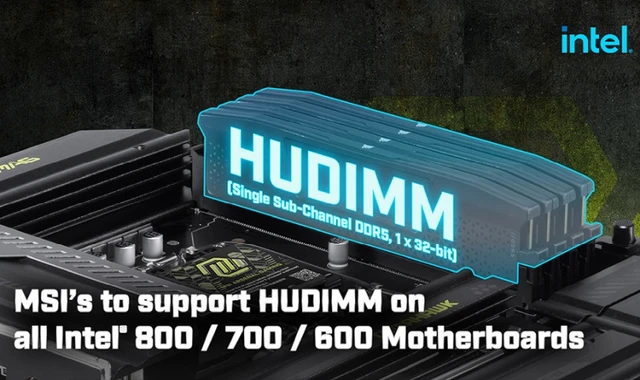 MSI Expands Support for Budget-Friendly HUDIMM Memory
The evolution of the DDR5 standard is increasingly pivoting toward a diversification of hardware configurations. While enthusiasts continue to chase extreme clock speeds, the industry is focused on lowering the barrier to entry for modern platforms. The introduction of HUDIMM modules represents a strategic shift toward cost optimization, trading off a degree of bandwidth for greater affordability. Recent MSI BIOS updates for Intel platforms now integrate this technology, underscoring a global trend toward the segmentation of the memory market.
7 Jul 2026
 The Era of Autonomous Android-Powered Retail
Modern retail is undergoing a fundamental transformation, evolving beyond basic self-service systems toward comprehensive robotic autonomy. The integration of humanoid machines into the urban landscape is shifting from the realm of science fiction to a pragmatic business imperative. Hong Kong is now debuting its first 24/7 convenience store where the primary staff member will be Xiao Gai, a humanoid android developed by Galbot. This pilot project aims to evaluate the efficacy of the synergy between artificial intelligence and advanced robotics within the high-pressure environment of real-world consumer traffic.
7 Jul 2026
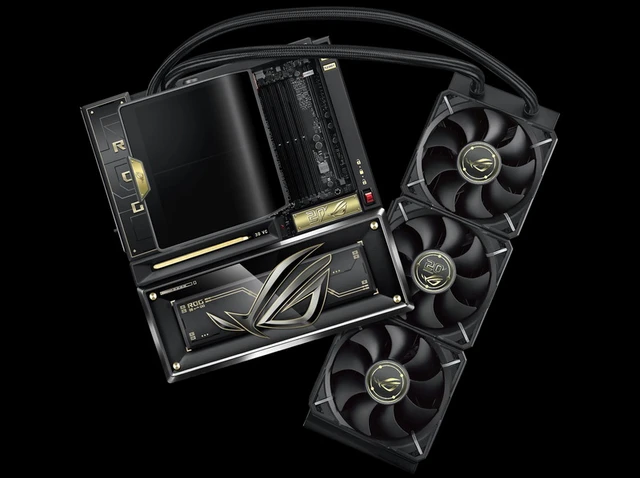 The Asus ROG Edition 20 Anniversary Collection
Modern gaming hardware has long since evolved beyond mere utility, transforming into symbols of technological dominance and digital artistry. To commemorate the twentieth anniversary of its iconic Republic of Gamers brand, Asus has unveiled a vision of the ultimate, uncompromising setup. More than a mere assembly of components, this collection serves as a manifesto of raw performance, curated specifically for an elite circle of collectors and enthusiasts. With a price tag exceeding $16,000, the complete ensemble transcends the realm of consumer electronics, firmly establishing itself as a luxury asset.
7 Jul 2026
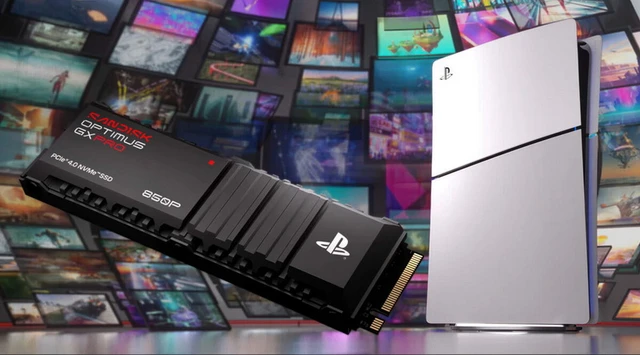 SanDisk's Extreme Storage for PlayStation 5
The modern gaming industry is grappling with a paradox: data footprints are expanding at a rate that far outpaces the capacity of standard console storage. Seeking to bridge this gap, SanDisk has unveiled the Optimus GX PRO 850P series, specifically engineered for PlayStation 5 and PS5 Pro users. Yet, this technical prowess comes with a price tag that is nothing short of unprecedented. The flagship model transforms a routine storage upgrade into a capital investment on par with purchasing several entire gaming consoles.
7 Jul 2026
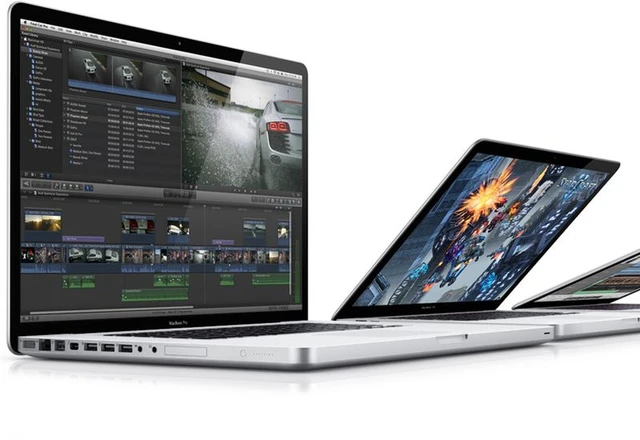 Memory Shortages are Reshaping the Cost of Apple Devices
The global semiconductor market is once again grappling with volatility that threatens even the industry's most resilient titans. For years, Apple has been regarded as the gold standard of supply chain orchestration, leveraging long-term agreements to insulate itself from market fluctuations. Yet, the current component shortage has reached a tipping point, where the company's internal buffers can no longer absorb the escalating costs. Management's admission that price hikes are inevitable signals a pivotal shift in the tech giant's pricing strategy.
