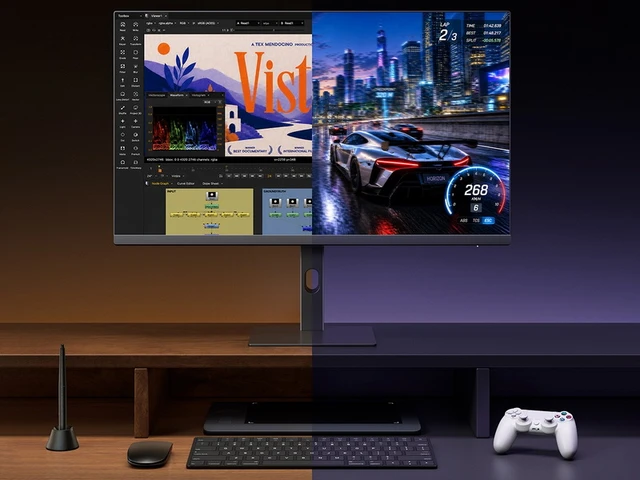
In the high-stakes arena of competitive gaming, victory is measured in milliseconds, and technical specifications often dictate the razor-thin margin between triumph and defeat. For years, the tangible advantages of ultra-high refresh rates remained a subject of heated debate among enthusiasts and professional esports athletes. A recent study by LG Display shifts this conversation from subjective perception to empirical data, quantifying the direct correlation between monitor refresh rates and shooting precision. The findings are definitive: hardware-driven acceleration of the visual pipeline directly enhances a player's cognitive capacity to process information and execute reactions.
The experiment was designed as a blind test to eliminate any placebo effect. Thirty-one seasoned gamers competed in a first-person shooter using monitors with four distinct refresh rates: 60, 240, 360, and 480 Hz. By keeping the active mode concealed from the participants, researchers were able to gather objective data on hit accuracy and target reaction times.
The results were striking. Moving from a baseline of 60 Hz to an extreme 480 Hz yielded a 38% increase in successful hits—a staggering performance gap that highlights the inefficiency of outdated display standards. More intriguing, however, is that even stepping up from 240 Hz (already considered high) to 480 Hz resulted in a further 10% gain. This suggests that the ceiling for player performance continues to rise, even beyond the established "gold standard" of competitive esports.
The technical underpinning of these improvements lies in two fundamental areas: the reduction of input lag and the minimization of motion blur. According to LG, a 480 Hz panel reduced input latency by more than 10ms compared to a 60 Hz monitor. In high-velocity scenes where targets move rapidly, a higher refresh rate allows the eye and brain to interpolate trajectories more accurately, making target tracking significantly smoother and more intuitive.
Despite these impressive figures, the study leaves several questions regarding scientific transparency. The published data lacks critical details: the specific monitor model, screen resolution, GPU specifications ensuring the necessary FPS, the title of the game used, and the overall duration of the tests. Without these parameters, it is difficult to determine how scalable these results are across different hardware configurations or game engines.
Nevertheless, the overarching conclusion remains clear: high refresh rates have evolved beyond mere marketing gimmicks. They are tangible tools for enhancing performance that directly impact match outcomes by narrowing the gap between a player's intent and the physical action rendered on screen.

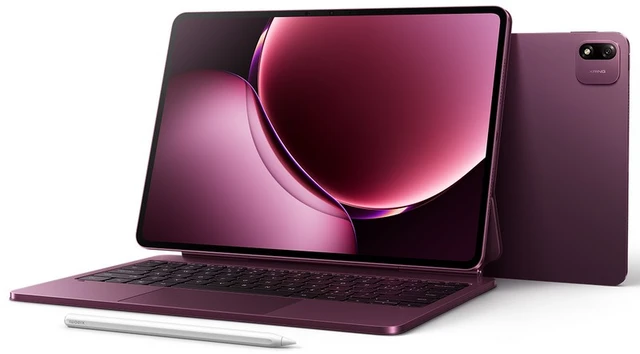 Power and Poise: The Xiaomi Pad 9 Pro Max