Apple is set to redefine the operational boundaries of its tablet lineup by introducing full waterproofing to its most compact model. For too long, the iPad has remained a vulnerable device, requiring cautious handling in moisture-prone environments—a limitation that created a stark functional disparity between the iPhone and the iPad. The upcoming iPad mini aims to bridge this gap through a fundamental reimagining of its chassis design. This evolution transforms the device from a fragile gadget into a versatile, resilient tool engineered for any environment.
The engineering hurdle Apple faced was that traditional sealing methods used in smartphones do not scale effectively to tablets. In the iPhone, protection is achieved through a system of gaskets and specialized adhesives that seal off speaker ports and connectors. For the iPad, however, the company has pursued a more ambitious trajectory: the total elimination of physical acoustic apertures.
At the heart of this solution lies vibrational acoustic technology, which essentially transforms the device's flat surfaces into sound diffusers. Rather than forcing air through perforations, the system leverages mechanical oscillations of the panels to transmit sound waves. This approach enables a virtually monolithic chassis, effectively sealing off the primary ingress points for dust and moisture.
This concept was no sudden epiphany; it is the culmination of a decade-long strategic roadmap. As early as 2014, Apple patented a "mechanically driven panel acoustic system." Implementing this patent in the new iPad mini marks a transition from passive protection (sealants) to an active reconfiguration of the physical interaction between the device and its environment. While an official IP rating has yet to be announced, expectations are that the tablet will mirror modern iPhones, capable of withstanding submersion at depths of up to six meters.
Parallel to the structural hardening is a profound overhaul of the visual experience. The transition to OLED panels—already in production at Samsung Display—will grant the device infinite contrast and significantly lower power consumption compared to traditional displays. This elevates the iPad mini into a true high-end media hub, with image quality meeting flagship standards.
Performance is also poised for a substantial leap. The device is expected to house a Pro-series chip; reports suggest either the A19 Pro or the more current A20 Pro. Integrating such potent silicon into a compact form factor not only accelerates interface responsiveness but also ensures full support for Apple Intelligence, which has become the cornerstone of the company's ecosystem.
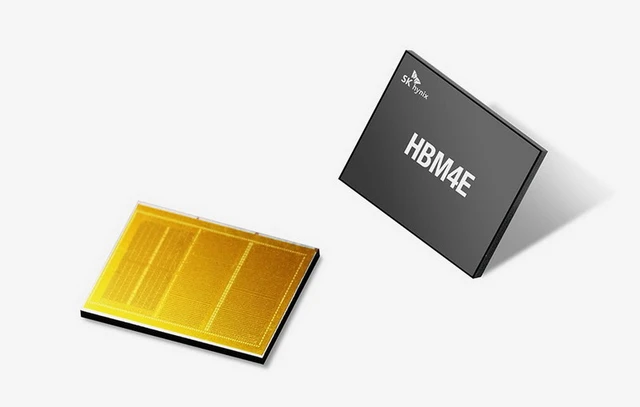
The economic outlook for this update remains nuanced. Following a pricing adjustment in June, base iPad mini models start at $599. However, the integration of OLED screens and advanced sealing systems may drive costs higher. This is further complicated by global memory chip shortages and rising prices for high-tech components, making the final price point of the new iPad mini a subject of intense industry debate. The device is expected to hit the market by October of this year.

 Power and Poise: The Xiaomi Pad 9 Pro Max