The intersection of high-performance cooling and additive manufacturing is unlocking new possibilities for PC customization enthusiasts. For years, Noctua’s signature beige-and-brown palette has served as a recognizable, if polarizing, symbol of a philosophy where performance takes precedence over aesthetics. Now, the ability to replicate this identity is shifting from industrial production lines to home workshops. The collaboration between Prusa Research and Noctua provides the tools necessary to merge the brand's visual DNA with stringent engineering standards.
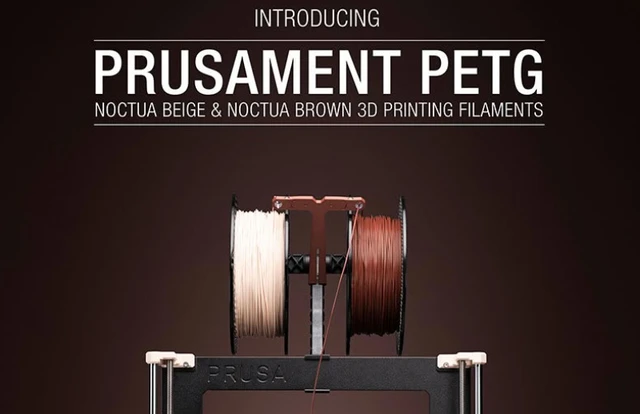
In the realm of PC hardware, Noctua's aesthetic has long evolved from a mere color palette into a distinct cultural code. The combination of beige and brown—which might have initially seemed dated—has become synonymous with uncompromising performance and engineering excellence. To enable the community to integrate this signature style into their own builds, Prusa Research has expanded its line of specialized filaments by introducing PETG materials in the official Noctua Beige and Noctua Brown shades.
Previously available PLA plastics allowed for the creation of visually identical accessories, but they came with significant operational limitations. While PLA is prized for its ease of printing and minimal shrinkage—making it ideal for prototyping or decorative elements—it often proves insufficiently stable under the actual thermal loads of cooling systems, where temperatures can rise substantially.
The shift to PETG (polyethylene terephthalate glycol) elevates customization to a new level of functionality. This material occupies a strategic niche between accessible PLA and industrial-grade ABS, offering an optimal balance of strength and thermal resistance. Unlike its predecessor, PETG maintains its structural integrity at temperatures exceeding 50°C, which is critical for components positioned in close proximity to heatsinks or within enclosed chassis.
The practical application of these new materials extends far beyond simple color matching. Users can now design and print fully functional air ducts, custom fan mounts, and complex shrouds that will not deform under the influence of internal thermal flows. This transforms 3D printing from a tool for creating mock-ups into a means of producing genuine engineering solutions.
Particular attention has been paid to the quality of the raw material itself. Prusa Research ensures tight diameter tolerances of just ±0.02 mm. In the context of high-precision printing, such stability guarantees uniform extrusion and eliminates gaps, directly impacting the surface finish of the final product and the accuracy of color reproduction.
Priced at €32.99, these materials make a professional approach to customization accessible to a wide range of users. Ultimately, the synergy between these two technological leaders allows a home 3D printer to become a legitimate tool for creating accessories that rival original factory components in both physical and aesthetic properties.
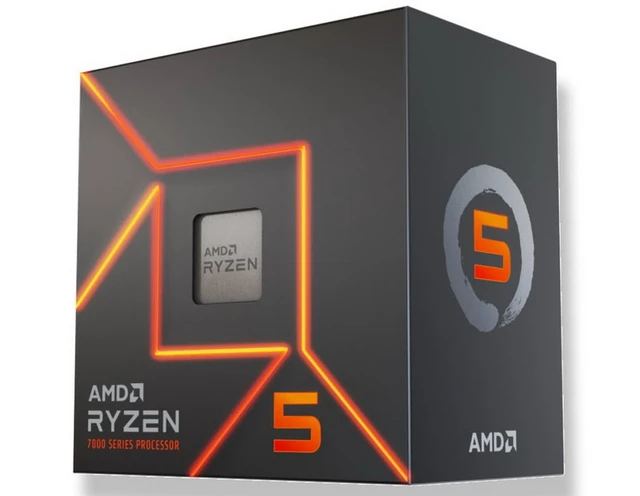 AMD’s Strategic Approach to the Budget Segment