The gaming industry is witnessing a fundamental paradigm shift in how content is consumed. Escalating hardware costs and global component shortages have rendered owning a high-end PC or console a prohibitive luxury for the average consumer. Cloud streaming promises to democratize access to high-fidelity experiences, pivoting gaming from a product-centric model to a service-oriented one. This transition may well signal the final descent of dedicated gaming hardware into obsolescence.
The contemporary electronics landscape is grappling with a systemic crisis: semiconductor and memory shortages have triggered a sharp surge in hardware costs. While smartphones remain an essential utility, gaming consoles and specialized PCs are increasingly being relegated to the category of discretionary expenditures. This economic shift creates the ideal conditions for the expansion of cloud technologies, which aim to entirely replace local computation with remote rendering.
Proponents of cloud gaming—including leadership within Amazon's gaming division—believe the era of dedicated "iron" is drawing to a close. The logic is straightforward: as components become more expensive and data transmission protocols simultaneously evolve, the necessity for costly home-based hardware diminishes. Statistics underscore the dominance of mobile platforms; with annual smartphone sales numbering in the billions, they have become the most pervasive and natural gateway into the gaming ecosystem.
From a business standpoint, the migration to the cloud unlocks immense opportunities for corporations. When a game is executed on a remote server and the user receives only a video stream, the possibility of code modification or piracy is effectively eliminated. Furthermore, the subscription model ensures a stable, predictable revenue stream, transforming a one-time hardware sale into a lifelong rental fee for entertainment access. This is advantageous not only for infrastructure providers but also for publishers, who gain access to a vastly expanded audience.
However, this technological optimism clashes with harsh physical realities. The primary obstacle remains latency and network instability. In fast-paced titles, even minimal lag leads to desynchronization, rendering the gameplay frustrating or entirely unplayable. For millions of users in regions with underdeveloped network infrastructure, local hardware remains the only viable way to ensure a high-quality experience free from stuttering and input lag.
Moreover, there is a critical economic nuance: the secondary market allows gamers to save significantly by purchasing previous-generation consoles. Conversely, the cost of cloud subscriptions rarely decreases; instead, it tends to climb alongside corporate ambitions. Consequently, despite the pressure from streaming services, local computing power remains a bastion of reliability and autonomy for those who prioritize flawless responsiveness and independence from the volatility of their internet connection.
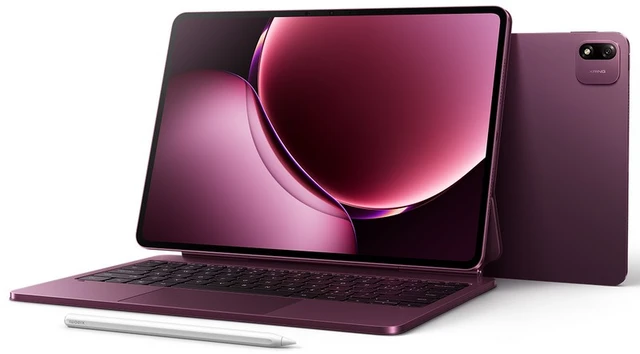 Power and Poise: The Xiaomi Pad 9 Pro Max