The explosive growth of generative AI is driving an insatiable demand for computational power, inevitably pushing the expansion of data centers into residential neighborhoods. This collision between technological progress and the fundamental human need for peace and quiet has transformed server farms into flashpoints of social tension. In Michigan, this conflict has escalated into a full-scale legal battle between local residents and an AI infrastructure operator. The case exposes a systemic misalignment: industrial cooling standards are fundamentally incompatible with modern urban zoning and noise ordinances.
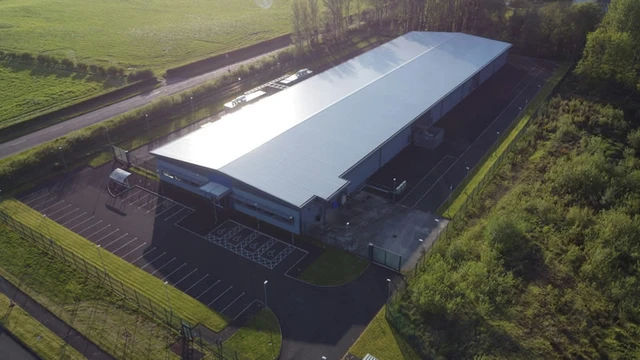
The conflict in Dovajak traces its origins to the transformation of a local industrial space. A facility that began its conversion back in 2018 served for years as a cryptocurrency mining hub. However, by 2024, the nature of the workload shifted: crypto farms were replaced by high-performance computing (HPC) dedicated to training neural networks and developing robotics systems. This technological pivot brought with it a disruptive side effect—a relentless, low-frequency hum that local residents describe as the sound of a vacuum cleaner that never turns off.
The technical root of this noise lies in the cooling requirements of modern GPU clusters. Unlike traditional servers, AI workloads generate immense thermal loads, necessitating industrial-grade cooling systems and high-powered fans running at maximum capacity. For the neighboring residents, this tech stack has evolved into a source of constant acoustic stress that has persisted for two years.
The municipal response was systematic: regulatory limits were established, capping industrial noise at 65 dB during the day and 55 dB at night. The data center operator, Hyperscale Data, was fined for violating these standards; however, the company opted for a strategy of litigation. The dispute centers not only on the volume levels themselves but also on the measurement methodology—a classic scenario in corporate-community conflicts.
The business's attempts to mitigate the situation have yielded mixed results. Hyperscale Data proposed creating a "natural protective barrier" by acquiring adjacent land to establish a buffer zone. A more radical proposal involved the direct buyout of residential properties for those unable to endure the noise. Yet, for many families who have lived in the area for decades, financial compensation is no equivalent for the loss of their home and established social ties.
This Michigan case is far from an anomaly. Similar grievances have been leveled against Microsoft’s infrastructure in Wisconsin, signaling a global trend: data centers are ceasing to be "invisible" backend systems and are becoming aggressive neighbors. Of particular concern is the issue of infrasound. Experts warn that low-frequency noise—even when it remains within legal decibel limits—can travel long distances and negatively impact human health, leading to chronic fatigue, sleep disturbances, and increased anxiety.
Ultimately, the Dovajak case serves as a critical bellwether for the industry. It is evident that the era of "rapid deployment," where AI infrastructure is shoehorned into any available industrial shell, is coming to an end. The future of data centers will require more than just energy optimization; it will demand sophisticated acoustic engineering to ensure that technological leaps do not come at the expense of basic quality of life.
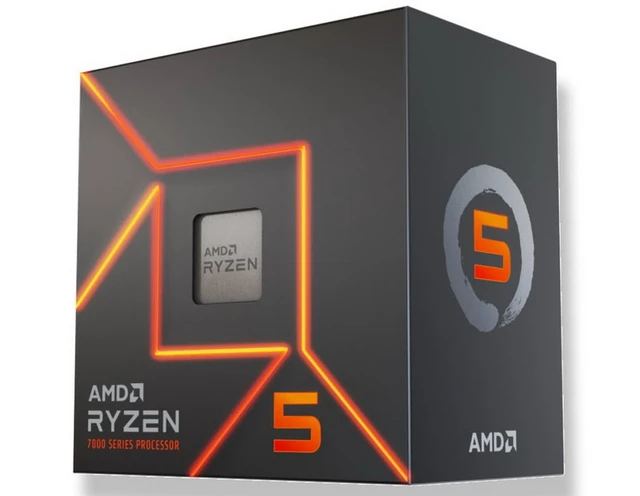 AMD’s Strategic Approach to the Budget Segment