The global microelectronics market is currently grappling with a profound structural crisis, one where the traditional laws of supply and demand have become fundamentally distorted. The industry is plagued by an acute shortage of essential components, compelling major players to overhaul their pricing strategies and pivot their production priorities. Against this backdrop, financial reports from leading chipmakers reveal a paradoxical trend: revenues are climbing even as physical shipment volumes contract. This shift underscores the digital economy's precarious reliance on the limited capacity of silicon wafer and memory fabrication.
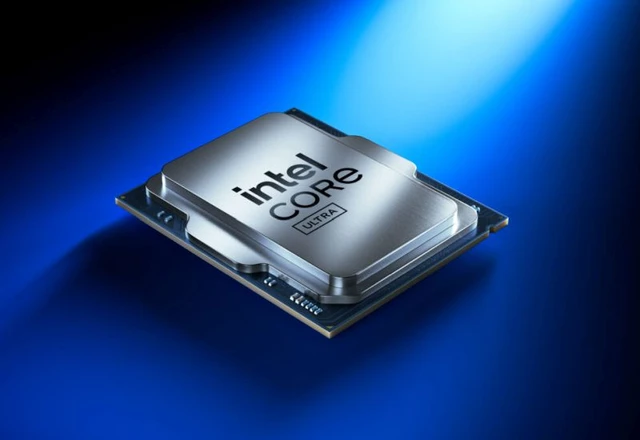
The contemporary consumer CPU market is exhibiting a peculiar anomaly: financial metrics are climbing even as sales volumes retreat. In the latest reporting period, revenue from laptop and desktop components surged by nearly 17%, reaching $7.7 billion. However, this growth was not fueled by an uptick in consumer demand or market expansion. On the contrary, actual shipment volumes declined by 8%.
The primary catalyst for this fiscal expansion has been a sharp spike in the Average Selling Price (ASP), which jumped by 27%. This trend is systemic; since the start of the year, chip pricing has outpaced volume growth, while shipments have steadily dwindled. In essence, the company is effectively monetizing scarcity, offsetting physical product shortages through aggressive price hikes.
The rationale behind this pricing strategy stems less from a desire to maximize profits amid high demand and more from the necessity of covering escalating production overheads. The cost of manufacturing modern semiconductors continues to rise while fabrication capacity remains constrained. This has created a scenario where market demand significantly outstrips actual supply capabilities, resulting in a persistent structural deficit.
The situation is even more pronounced in the server segment. Here, revenue saw an exponential surge of 62%, hitting $6.3 billion. The main drivers are hyperscalers—the cloud computing giants whose appetite for computational power is growing exponentially. In this sector, average selling prices increased by nearly half, while shipment volumes grew by a mere 9%. It is evident that the shortage of server solutions is fundamental in nature, and full resolution is unlikely before next year.
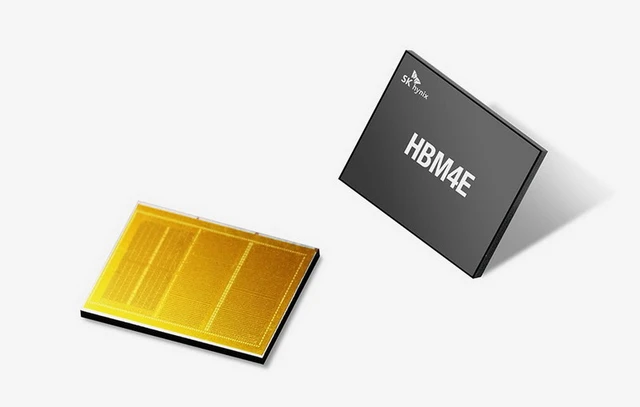
This crisis extends beyond a single manufacturer or product line. The industry at large is grappling with one of the most severe component availability crises in its history. The deficit spans the entire value chain: from cutting-edge logic components and silicon wafers to memory chips and specialized substrates. Memory procurement has emerged as the most critical bottleneck, requiring tight coordination with the world's largest suppliers to stabilize the situation.
The short-term outlook remains bleak. Revenue in the consumer segment is expected to stagnate as primary production resources are diverted toward the higher-priority, higher-margin server market. This shift will inevitably push personal computer sales below seasonal benchmarks. In the long term, looking toward 2026, PC shipment volumes are projected to contract by more than 10%—a direct consequence of the protracted memory shortage and the continuing rise in component costs.
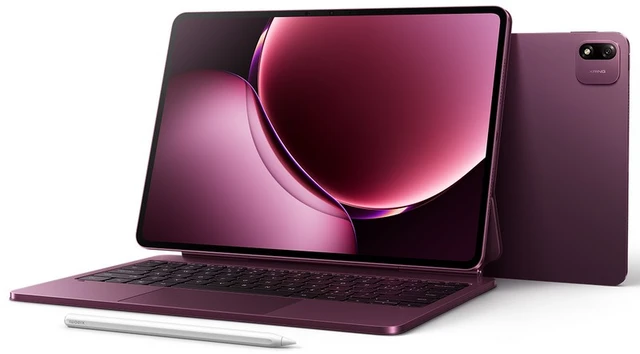 Power and Poise: The Xiaomi Pad 9 Pro Max