25 Jul 2026
 The Economics of Scarcity in the PC Industry
The global PC market has entered a phase of structural transformation, where revenue growth is no longer tethered to sales volume. Acute shortages in memory components triggered a systemic chain reaction—ranging from consumer panic at the start of the year to a pronounced slump in second-quarter shipments. In this volatile environment, survival is reserved for either agile players capable of rapid product iteration or corporate behemoths bolstered by resilient B2B segments. The industry is effectively pivoting toward a high-margin product model, with artificial intelligence serving as the primary catalyst and justification for the escalating cost of hardware.
25 Jul 2026
 The Price of Intel’s Technological Leap
The semiconductor market has evolved into a high-stakes battlefield where traditional financial metrics are no longer the sole barometer of success. Intel serves as a prime example of the industry's current paradox: operational gains and beating analyst expectations can be entirely eclipsed by investor anxiety over the sheer cost of expansion. At the heart of this tension is the clash between the necessity for massive capital expenditure in AI infrastructure and the relentless demand for immediate financial returns. This dynamic reflects a broader global trend currently reshaping the landscape for the tech sector's primary titans.
25 Jul 2026
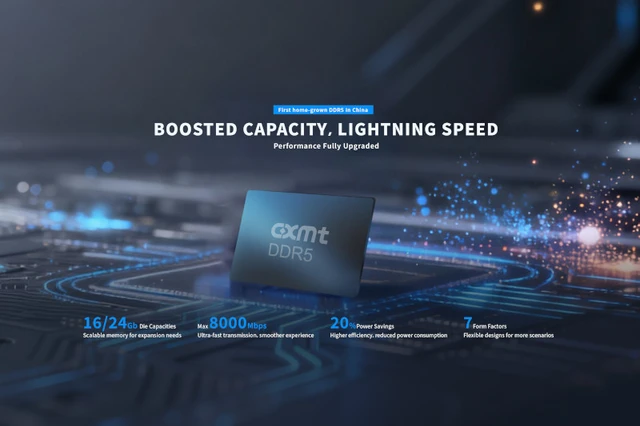 A New Order in Memory Manufacturing
The global AI surge has triggered an unprecedented shortage of semiconductor memory, fundamentally reshaping the industry's power dynamics. Chinese titans CXMT and YMTC—long dismissed as mere beneficiaries of state subsidies—have rapidly evolved into formidable market contenders. Today, they are no longer merely competing with global incumbents; they have begun to exert significant leverage over the industry's largest buyers. This transformation signals a strategic pivot: moving away from low-cost dumping toward a position of aggressive pricing dominance.
25 Jul 2026
 The Return of Hyper-Threading in Coral Rapids Processors
The battle for data center supremacy has long since evolved beyond a mere race for clock speeds, shifting instead toward a sophisticated pursuit of the ideal balance between compute density and power efficiency. Intel’s recent departure from multithreading across its consumer and server lineups appeared to be a bold move toward die optimization and the streamlined purity of single-threaded execution. However, relentless competition from AMD and the strategic expansion of Arm are forcing the company to recalibrate its priorities. The return of Hyper-Threading in the upcoming Coral Rapids generation is more than a technical reversal; it is a strategic response to the rigorous demands of high-throughput, enterprise-grade systems.
25 Jul 2026
 The Resource Foundation of a New Era in Computing
The global AI arms race has migrated from the realm of algorithms into the domain of physical resources. Today, the primary bottleneck hindering neural network evolution is no longer raw processing power, but memory bandwidth. The sweeping agreement between Nvidia and SK hynix signals a transition toward an era of total dominance over critical component supply chains. This strategic alliance establishes the infrastructural bedrock that will define the landscape of global computing for years to come.
25 Jul 2026
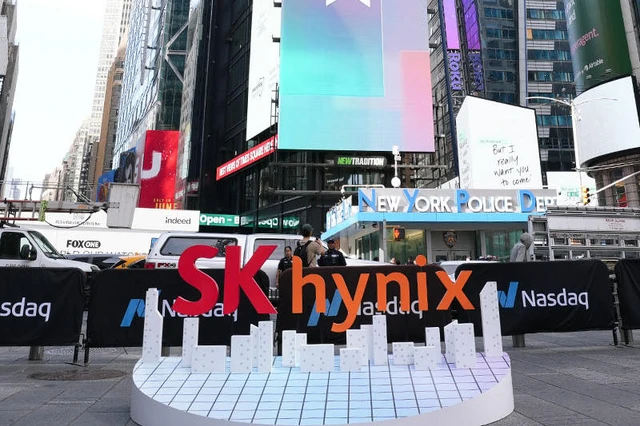 Vertical Integration of DRAM for AI Systems
The meteoric rise of artificial intelligence has presented the hardware industry with a pivotal challenge: dismantling the "memory bottleneck." Conventional architectural paradigms can no longer deliver the requisite throughput without compromising energy efficiency. In response, SK hynix is spearheading a shift toward a radical paradigm—vertically stacking DRAM directly atop the logic die. This move signals a departure from incremental optimization in favor of a fundamental reimagining of the synergy between processing power and memory.
25 Jul 2026
 The Global Technology Alliance between Samsung and Broadcom
The AI arms race has definitively migrated from the abstract realm of algorithms into the physical domain of silicon. Today, market hegemony is defined not merely by software sophistication, but by the ability to guarantee an uninterrupted supply of massive computational power. The strategic alliance between Samsung and Broadcom represents a calculated response to this paradigm shift, forging a new axis of influence within the semiconductor landscape. This partnership is designed to fundamentally reshape the balance of power among the dominant architects of the global chip market.
25 Jul 2026
 Anthropic’s Path to Hardware Independence
The global AI arms race is pivoting from a battle of algorithms to a struggle over physical infrastructure. Leading research labs have come to realize that software supremacy is unattainable without absolute control over the underlying compute power. Anthropic is now making a strategic move toward developing its own proprietary hardware stack, aiming to decouple itself from the constraints of third-party suppliers. Recent procurement requests for specialized memory signal that the project has evolved beyond conceptual blueprints and is now entering the phase of tangible implementation.
25 Jul 2026
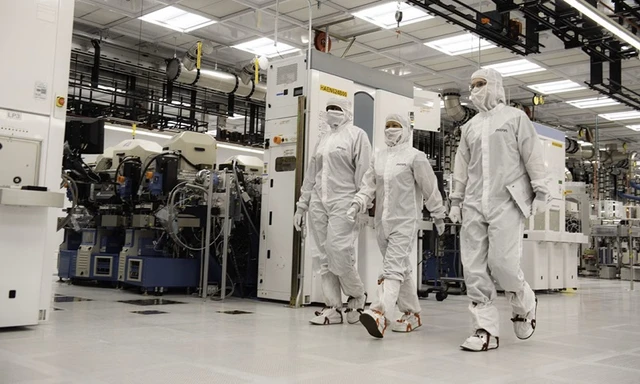 The Technological Rift Between Apple and Micron
The global semiconductor market has evolved into a high-stakes arena of confrontation, where economic imperatives clash with national security mandates. At the epicenter of this struggle are two American titans—Apple and Micron—whose interests have diverged over the fundamental issue of memory procurement. This friction presents the U.S. administration with a precarious balancing act: weighing the accessibility of consumer electronics against the imperative of technological sovereignty. Ultimately, this dispute exposes systemic contradictions within the broader U.S. strategy to curtail China's influence.
24 Jul 2026
 The Digital Dependency of the Modern Automotive Industry
The global AI boom has ignited an unexpected component shortage, with repercussions extending far beyond server racks and gaming rigs. This volatility has now permeated the automotive sector, accelerating the transformation of the traditional vehicle into a complex computing system. Surging memory costs are directly impacting final vehicle pricing, forcing manufacturers to recalibrate their financial strategies. Amidst fierce competition for semiconductor capacity, the industry faces systemic pressures that could precipitate a new global supply chain crisis.
24 Jul 2026
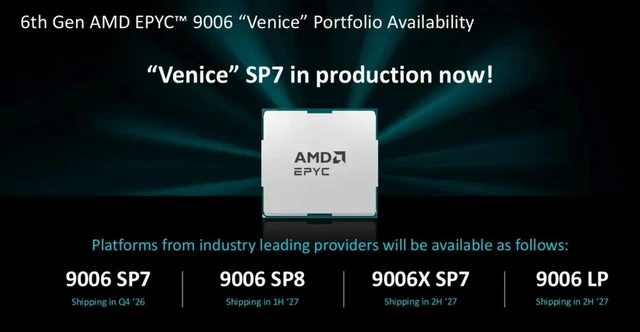 EPYC Venice: A New Standard for Server Computing
Modern data centers are facing unprecedented strain, driven by the explosive proliferation of neural networks and the processing of colossal datasets. AMD’s response to these demands arrives in the form of its sixth-generation server processors, codenamed Venice. The transition to Zen 6 cores represents a quantum leap in both compute density and memory throughput—a strategic pivot designed to redefine performance benchmarks for high-performance computing (HPC) for years to come.
24 Jul 2026
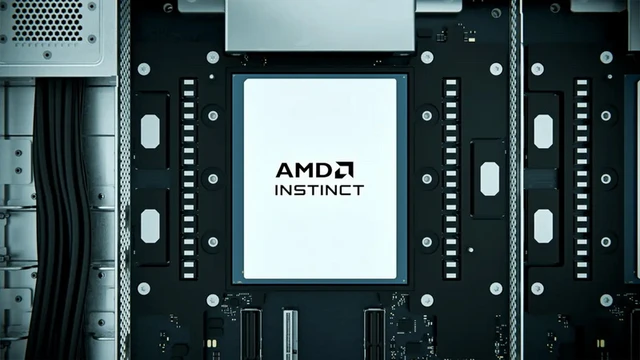 AMD Instinct MI455X: Redefining the Rules of the Game
The global AI arms race has decisively shifted into the realm of hardware, where memory bandwidth and compute density have emerged as the primary determinants of success. As modern neural networks demand staggering resources for both training and inference, manufacturers are being forced to fundamentally reimagine the core principles of chip architecture. AMD is making a strategic leap forward with the unveiling of the Instinct MI455X accelerator—a product engineered to directly challenge Nvidia's market hegemony. This release embodies a broader transition toward next-generation memory standards and hybrid semiconductor fabrication techniques.
