24 Jul 2026
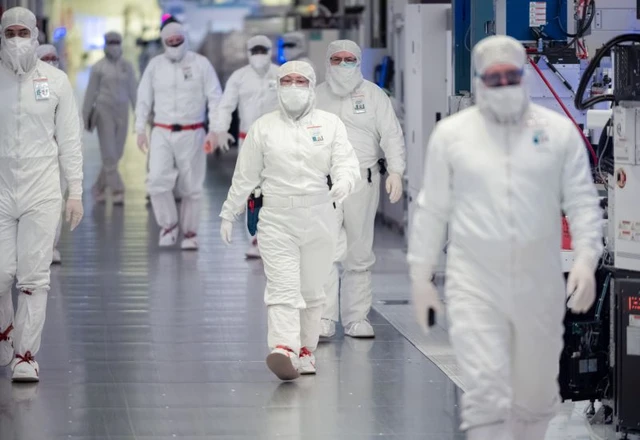 Intel’s Return to the Era of High-Performance Computing
The global semiconductor market is undergoing a tectonic shift, propelled by the explosive rise of generative AI. Against this backdrop, Intel’s latest financial performance serves as a critical bellwether for the viability of its strategy to reclaim technological primacy. A sharp spike in revenue, coupled with the overhaul of manufacturing processes, suggests that the industry titan has found its leverage within the current computing cycle. This is more than a momentary quarterly victory; it is a systemic effort to re-engineer the company's core foundations amidst an environment of cutthroat competition.
24 Jul 2026
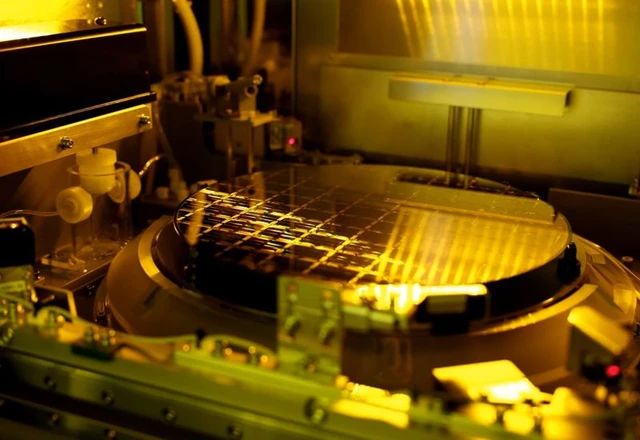 Achieving Full-Cycle Localization of AI Chip Manufacturing
The global semiconductor market is undergoing a fundamental paradigm shift, pivoting from an era of total globalization toward one of regional resilience. Washington's drive to reshore high-tech manufacturing demands the creation of a comprehensive, end-to-end ecosystem—spanning everything from silicon wafer fabrication to final assembly and testing. Leveraging its dominance in the AI landscape, Nvidia has emerged as a pivotal catalyst in this transition. Strategic investments in advanced chip packaging are effectively transforming Arizona into the new epicenter of global microelectronics.
24 Jul 2026
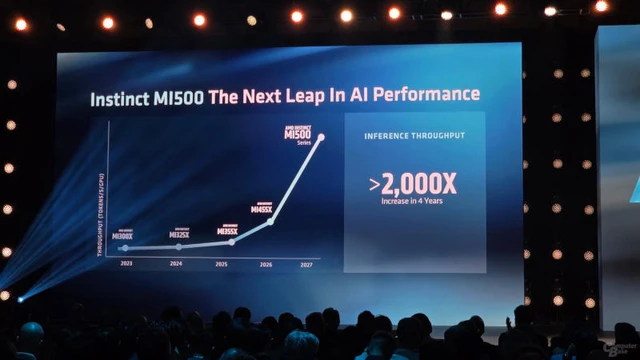 The Annual Refresh Cycle of AMD Instinct Systems
The global AI arms race is evolving, shifting from a period of sporadic breakthroughs toward a disciplined, rhythmic cycle of iterative development. AMD is pivoting its strategy, adopting an annual release cadence for its Instinct accelerators and Helios rack-scale solutions. This strategic shift is designed to systematically close the technological gap with the market leader while providing hyperscalers with a predictable roadmap for infrastructure scaling. Central to this ambition is the aggressive integration of next-generation memory standards and high-performance networking protocols.
24 Jul 2026
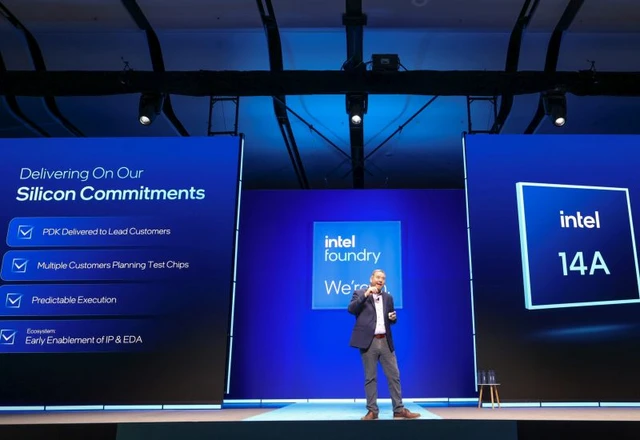 Intel’s Technological Offensive in the Global Semiconductor Race
The semiconductor industry is ushering in the Angstrom Era, a period where the battle for every single nanometer dictates global technological hegemony. For years, Intel has struggled to reclaim its lost dominance, weathering relentless pressure from TSMC and Samsung. However, recent pivots in its roadmap signal a decisive strategic overhaul. The company is now fast-tracking the implementation of its most ambitious process node yet—14A—with the goal of redefining the very boundaries of chip density and performance.
24 Jul 2026
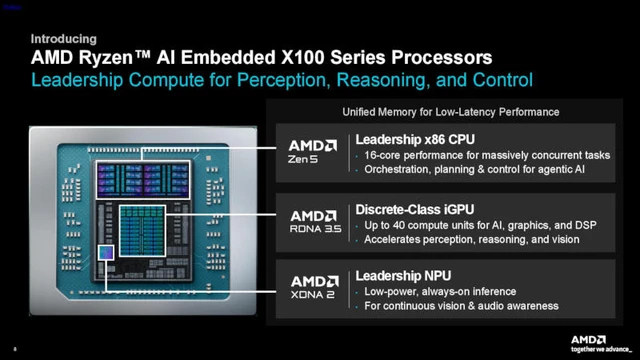 The Computational Foundation for Physical Intelligence
Modern robotics is evolving beyond rigid, hard-coded algorithms toward the paradigm of embodied AI—a shift that demands immense computational power directly on the edge. The conventional architectural divide between the CPU, GPU, and NPU introduces critical latencies that are untenable for real-time applications. The AMD X100 seeks to shatter this bottleneck by deeply integrating all compute resources onto a single die. This strategic pivot transforms the robot from a passive executor of commands into a truly autonomous agent capable of instantaneous environmental perception and analysis.
24 Jul 2026
 The Synergy of AMD and Cerebras Computational Power
The contemporary AI arms race is undergoing a strategic pivot, shifting its focus from model training toward the complexities of efficient deployment. While GPUs remain the undisputed benchmark for training neural networks, the inference stage necessitates a fundamentally different paradigm for managing memory and latency. A new strategic alliance between AMD and Cerebras Systems aims to redefine performance standards for next-generation AI agents, specifically targeting the industry's most critical bottleneck: the data transfer lag between compute and memory.
24 Jul 2026
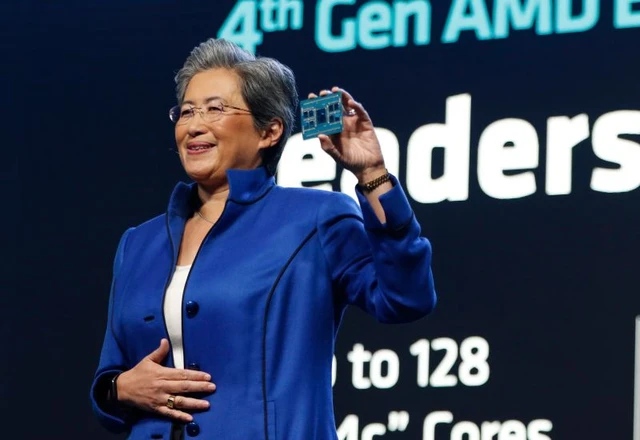 The New Economics of Global Compute
The semiconductor industry is undergoing a fundamental shift, as artificial intelligence evolves from a mere additive feature into the primary driver of market valuation. The scale of expansion for specialized accelerators is beginning to rival the historical volumes of the entire microelectronics market. Amidst the rapid transition from model training to mass deployment, the very paradigm of server computing is being rewritten. Current forecasts point toward the emergence of a new ecosystem where the boundary between cloud infrastructure and edge devices is effectively disappearing.
24 Jul 2026
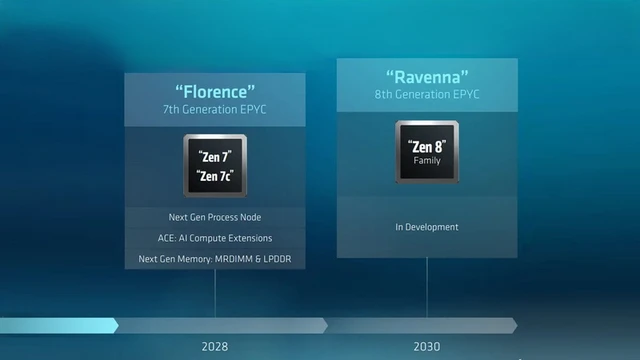 AMD’s Compute Expansion Strategy
The global race for AI supremacy is fundamentally reshaping the requirements for server infrastructure. Modern data centers are evolving into monolithic neural networks, where core density and memory bandwidth have become the critical determinants of operational efficiency. In response, AMD has unveiled a strategic roadmap for its EPYC processor family extending through 2030—a vision that signals a pivot toward sub-2nm fabrication processes and the deep integration of specialized AI instruction sets.
24 Jul 2026
 Sega’s Commitment to the Culture of Physical Media
The gaming industry is currently navigating a fundamental paradigm shift toward total digitalization. While tech giants like Sony accelerate the transition toward digital-only distribution models, the market remains deeply polarized over the intrinsic value of physical ownership. This friction underscores the inherent contradiction between corporate optimization and the enduring culture of collecting. Sega, however, has opted for a more nuanced middle path, eschewing an abrupt severance from traditional media. Such a strategy highlights the company's commitment to striking a balance between contemporary trends and a profound respect for the industry's legacy.
24 Jul 2026
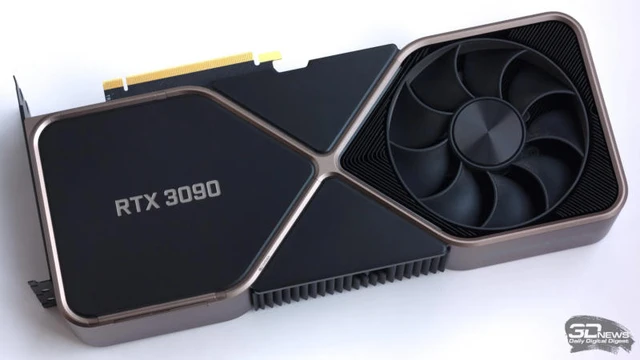 Hybrid Graphics Acceleration at 4K Resolution
The quest for flawless visual fluidity at high resolutions has traditionally been synonymous with a constant cycle of hardware upgrades. However, contemporary software innovations are beginning to shift this paradigm, unveiling novel avenues for performance optimization. A recent experiment demonstrates that cross-generational GPU synergy can effectively circumvent hardware bottlenecks, even within the demanding 4K segment. The core concept involves a strategic distribution of computational workloads, where a secondary chip handles frame generation, liberating the primary resource to focus exclusively on rendering.
24 Jul 2026
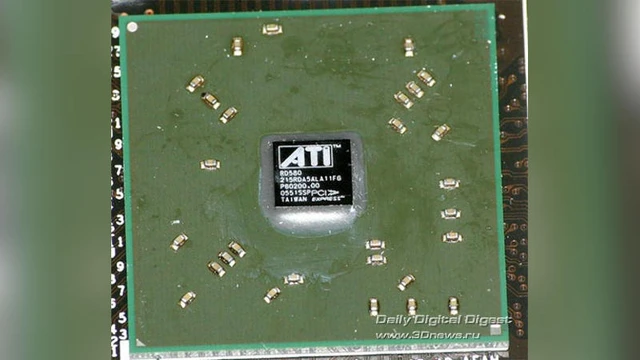 The Legacy of the AMD-ATI Strategic Alliance
The history of the semiconductor industry is often defined by high-stakes gambles that reshape the market landscape for decades to come. Two decades ago, AMD’s acquisition of ATI served as one such watershed moment, unifying CPU and GPU expertise under a single corporate umbrella. This move was far more than a mere expansion of the product portfolio; it laid the strategic foundation for the convergence of general-purpose computing and visual processing. Today, the dividends of this union are evident in AMD's dominance across the gaming console market and the engineering of next-generation, high-performance hybrid silicon.
24 Jul 2026
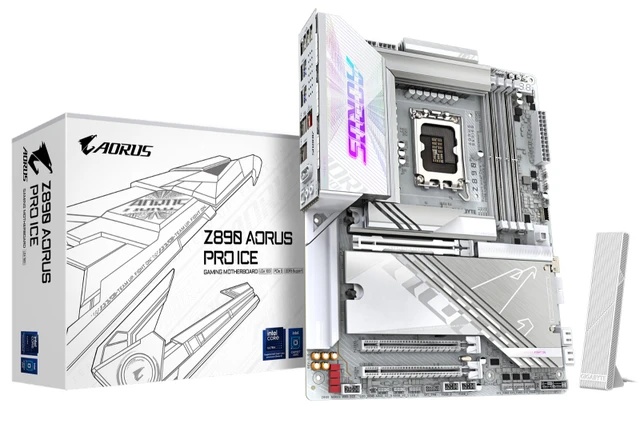 Gigabyte’s Support for Chinese Memory Chips
For years, the global DDR5 memory market has been tightly controlled by a handful of industry titans, resulting in chronic shortages and significant price volatility. The emergence of new contenders, such as China's CXMT, is beginning to reshape this landscape by providing a viable alternative to established suppliers. Gigabyte is now taking a strategic step toward diversification by ensuring its platforms are fully compatible with these emerging modules—a move that not only expands consumer choice but also contributes to the overall stabilization of market supply.
