The tech world is holding its breath in anticipation of the September event, which promises to be a watershed moment for one of the industry's most influential powerhouses. Apple is poised to unveil more than just another iterative update to its smartphone lineup; it is signaling a fundamental shift in its philosophy regarding form factors and corporate governance. Taking center stage will be the company's first-ever foldable iPhone—a device engineered to redefine the parameters of mobile productivity. The event will serve as the first critical litmus test for the company's new leadership as they navigate an increasingly volatile global market.
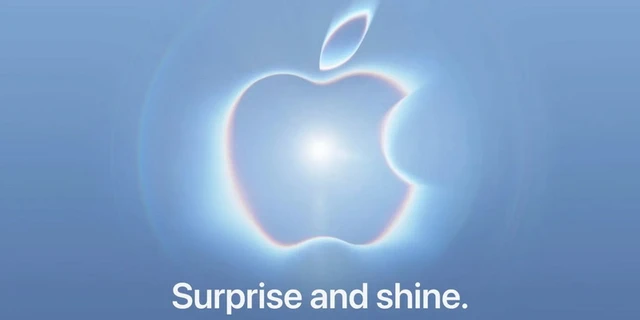
The September keynote, aptly titled "Surprise and Shine," is slated for September 9. The invitation's visual language—a glowing Apple logo backlit by the sun—hints at a corporate drive toward transparency and renewal. Yet, beneath the aesthetics lies a profound structural realignment: a transition of power within the company's upper echelon. John Ternus is set to take the helm as CEO, while Tim Cook transitions to the role of Executive Chairman. Consequently, the upcoming showcase will serve as a manifesto for a new strategic direction.
As is tradition, the spotlight remains on the flagships. We expect the debut of the iPhone 18 Pro and iPhone 18 Pro Max. While the familiar design and display dimensions persist, the internal architecture will undergo significant revisions. The pivotal technological leap will be the integration of Apple's proprietary C2 cellular modem, allowing the company to finally sever its dependence on third-party connectivity providers and optimize power efficiency.
In terms of optics, a variable aperture camera is expected—a feature that will substantially enhance image quality across diverse lighting conditions and add professional depth to portraits. This innovation will likely be exclusive to the top-tier Pro Max model. Simultaneously, Apple plans to shrink the Dynamic Island, reclaiming more screen real estate. The seasonal color palette promises to be understated yet evocative, ranging from a deep dark cherry to classic silver and a subtle light blue.
A notable strategic pivot is the absence of the base iPhone 18 from the autumn event. Along with the iPhone 18e and iPhone Air 2, these devices will not arrive until Spring 2027, signaling a shift toward a more staggered release cycle.
The centerpiece of the event, however, will be the unveiling of the first foldable device, potentially branded as the iPhone Ultra or iPhone Fold. This book-style device aims to merge smartphone portability with tablet-grade functionality. An external display ranging from 5.3 to 5.5 inches will handle basic interactions, while the internal screen (7.6 to 7.8 inches) transforms the gadget into a full-fledged content creation tool.
A titanium chassis will provide the necessary structural integrity while maintaining a minimal profile—a critical requirement for folding mechanisms. Regarding security, Apple appears to be pivoting away from Face ID in favor of a Touch ID sensor integrated directly into the power button. Technically, the device will feature dual front and rear camera arrays. This model is expected to be the most expensive product in Apple's consumer lineup, with a base price around $2,000 and high-end configurations reaching $2,500.
The ecosystem expansion continues with updates to wearables. The Apple Watch Series 12 and Apple Watch Ultra 4 will not see radical aesthetic overhauls, as the development vector has shifted toward the silicon. New processors will expand health monitoring capabilities and extend battery life. Meanwhile, the entry-level SE segment will remain untouched this time.
Rounding out the presentation's tech stack is the launch of AirPods 5. Notably, the more advanced Pro model, featuring Visual Intelligence—an AI-driven visual analysis system—is expected significantly later. Additionally, the company has already announced the release date for the new Mac mini and Mac Studio desktops, hitting shelves on September 22.
The event will be streamed via the usual channels: Apple's website, YouTube, and the Apple TV app. Much of the content will be delivered as a pre-recorded showcase, ensuring the aesthetics and intricate details of the new products are conveyed with maximum precision.
 The Speed Limits of Modern Gaming Displays