The boundary between functional computing and industrial art is becoming increasingly porous. The rise of "cyberdecks"—bespoke, portable computers defined by a distinct aesthetic—has migrated from niche enthusiast forums into the mainstream of global social media. Raspberry Pi, a primary catalyst of the modern maker movement, has effectively legitimized the trend by releasing a comprehensive build guide. This move signals a shift toward an era of personalized hardware, where the device's physical form is viewed as an element every bit as critical as its computational power.
The cyberdeck phenomenon is deeply rooted in the cyberpunk aesthetic, where the computer was envisioned not as a sterile aluminum monolith, but as a rugged, modified tool defined by exposed interfaces and brutalist forms. Today, this nostalgia for "technological brutalism" has experienced a resurgence, evolving into a full-fledged movement within DIY culture. Recognizing this shift, Raspberry Pi has stepped in to provide the community with a standardized blueprint for crafting their own portable terminals.
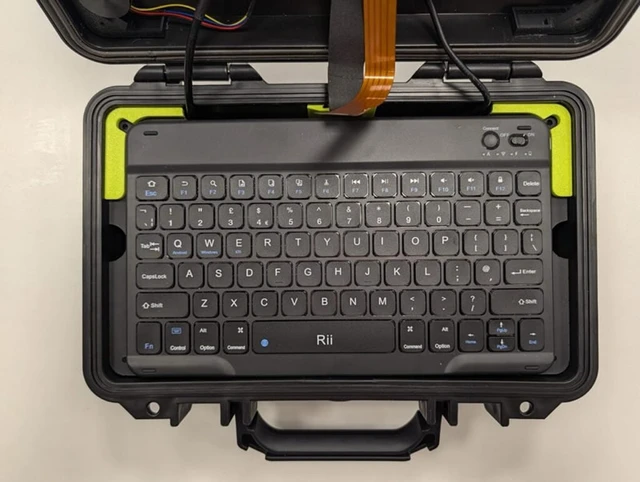
The company's official guide takes a pragmatic approach: utilizing a classic Pelican-style ruggedized case as the chassis to house a Raspberry Pi 5. This design ensures the necessary durability and mobility, evoking the image of a reliable field device. However, this "baseline" version is merely a starting point. In practice, the maker community has long since transcended the limits of standard enclosures. Modern cyberdecks are assembled from virtually anything—from vintage bags and jewelry boxes to recycled industrial plastics—transforming each build into a unique piece of functional art.
The popularization of this movement owes much to the visual culture of social media. Platforms like TikTok have become showcases for complex engineering projects, where the aesthetics of the build are valued as highly as its functionality. A prime example is the work of enthusiasts like Ennike Tan, whose modifications transform ordinary accessories into fully realized workstations featuring integrated USB hubs and custom displays, garnering millions of views and inspiring a new wave of hardware experimentation.
Nevertheless, the path to creating the ideal cyberdeck is becoming increasingly costly. The components market is currently plagued by volatility, driven by the rising costs of RAM and semiconductors. This has directly impacted the pricing of Raspberry Pi modules. Specifically, the 16GB RAM version—highly recommended for serious portable systems—has seen a significant price hike. At one point, the cost of the memory module alone approached the original price of the entire board, creating a formidable economic barrier for novice makers.
Despite these financial pressures, the appetite for custom-built computing continues to grow. A cyberdeck is no longer just an attempt to save money on a laptop; it is a manifesto against the homogenization of consumer electronics. It is a drive to reclaim control over the machine, understanding every screw and every trace on the PCB, turning the act of assembly into a kind of digital ritual.
 The Economic Paradox of the GeForce RTX 5090