The foldable device market is undergoing a profound transformation, pivoting toward wide-screen formats that are rapidly emerging as the new benchmark for mobile productivity. Xiaomi is entering the fray with the 18 Fold, delivering more than just a structural redesign; it represents a fundamental overhaul of the device's hardware architecture. At the heart of this evolution is the company's pivot toward proprietary semiconductor solutions—a strategic move aimed at decoupling from third-party vendors. This shift has the potential to redraw the performance hierarchy within the mobile technology landscape.
The foldable smartphone industry is steadily transitioning from its experimental phase toward a period of ergonomic optimization. Recent leaks from Chinese social media—specifically posts by insider Digital Chat Station on Weibo—have revealed intriguing details regarding the upcoming Xiaomi 18 Fold. The device appears to be following a trajectory established by Samsung, adopting a pronounced wide-screen aspect ratio that effectively transforms the smartphone into a fully functional compact tablet without sacrificing mobility.
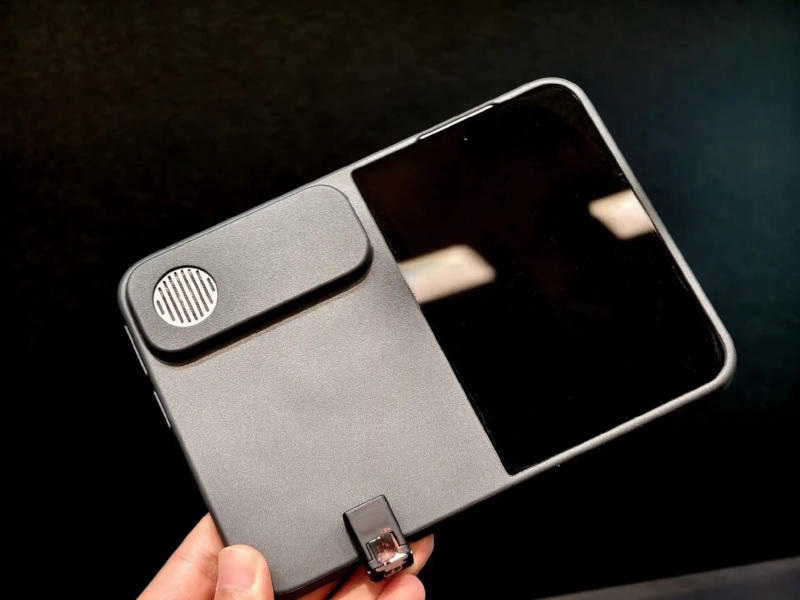
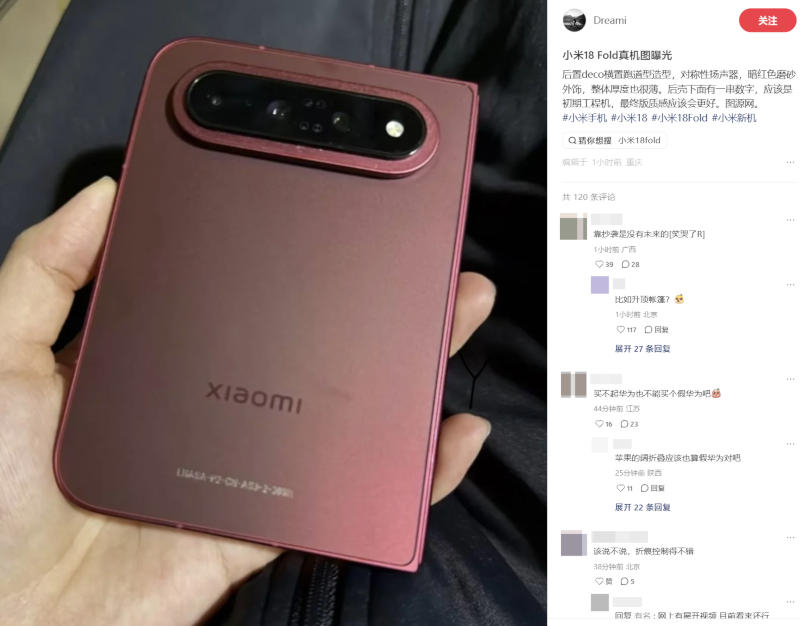
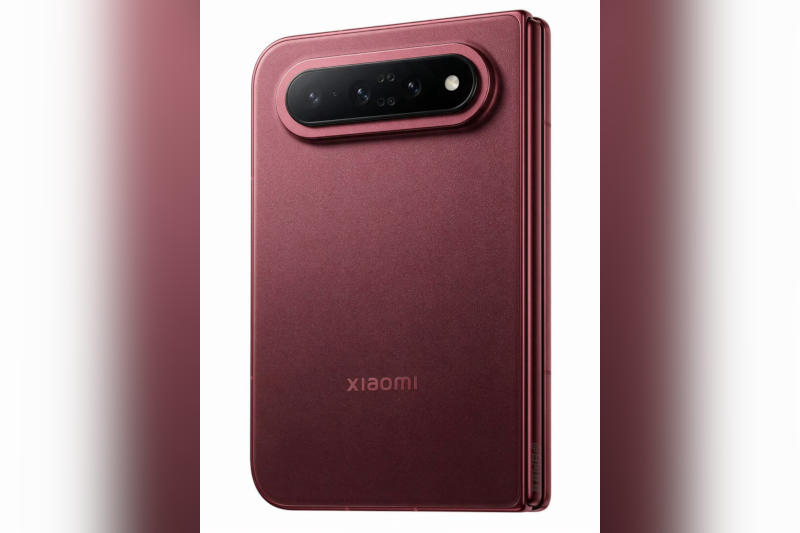
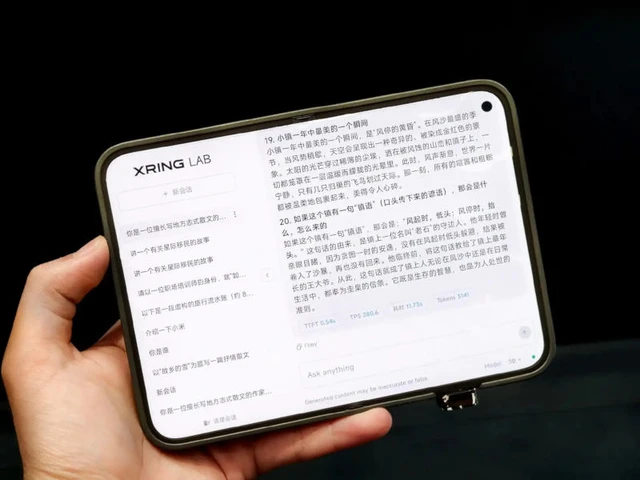
Aesthetically, the device emphasizes minimalism and premium craftsmanship. The internal display features a punch-hole cutout in the upper right corner, maximizing the usable screen real estate. When folded, the gadget maintains a remarkably slim profile, while a deep red chassis—dubbed "Cabernet Sauvignon"—underscores the device's high-end positioning. The rear panel integrates a classic horizontal triple-camera array and a sensor suite, creating a balanced and disciplined visual identity.
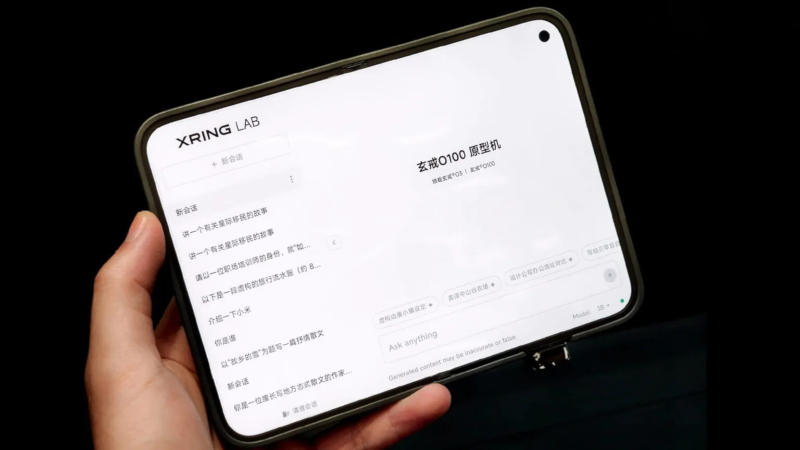
However, the true value of the Xiaomi 18 Fold lies not in its aesthetics, but in its "silicon." For the first time, the device will be powered by the proprietary XRing O3 processor. This is an ambitious move toward vertical integration, allowing Xiaomi to exert total control over the synergy between hardware and software. Early mentions of the chip surfaced in marketing materials for HyperOS 4—an operating system deeply optimized for the nuances of the wide-screen form factor.
The technical specifications of the XRing O3 signal a serious bid for market dominance. The chip utilizes a 10-core configuration with a clock frequency of 4.35 GHz. While this figure trails slightly behind the projected speeds of flagships from Qualcomm (the Snapdragon 8 Elite Extreme Gen 6 at 5.01 GHz) and MediaTek (the Dimensity 9600 Pro at 4.55 GHz), Xiaomi is betting on overall efficiency and the optimization of the graphics stack.

The graphics subsystem, based on the Arm G2-Ultra NX, represents a staggering leap in performance. According to the manufacturer, the new GPU is 85% faster than its predecessor, the XRing O1, with performance gains in ray-tracing tasks reaching 182%. Furthermore, the company claims superiority over the Apple A19 Pro in specific workload scenarios. AnTuTu V11 benchmarks validate this trajectory: the chip scores an impressive 5.2 million points, placing it among the most powerful computing platforms currently in existence.
The deployment of the XRing O3 will not be limited to a single smartphone. The same processor is expected to power the Xiaomi Pad 9 Pro Max, creating a unified, high-performance ecosystem. The Xiaomi 18 Fold is slated for a September release, and this launch will serve as a critical litmus test for how effectively the Chinese giant can compete with industry leaders using its own semiconductor developments.
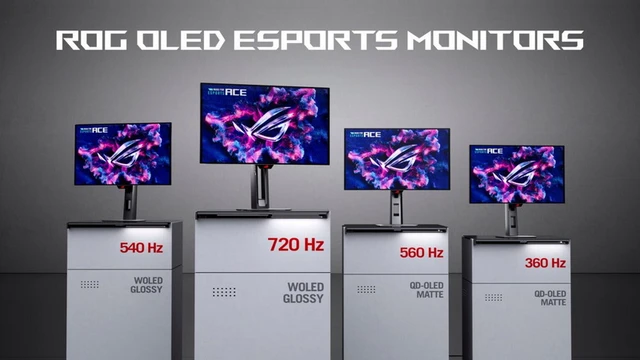 The Speed Limits of Modern Gaming Displays