1 Sept 2026
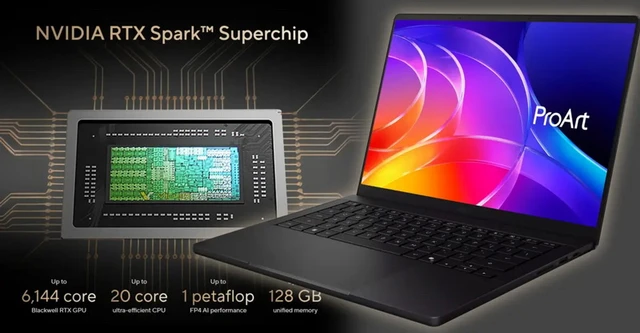 Asus ProArt P14: A Mobile Supercomputer
The mobile workstation industry is undergoing a fundamental paradigm shift toward Arm-based platforms, driven by the pursuit of a synergy between extreme energy efficiency and uncompromising power. The introduction of Nvidia RTX Spark signals a departure from traditional resource partitioning, pivoting instead toward the concept of a unified compute fabric. The Asus ProArt P14 emerges as one of the first tangible manifestations of this vision, packing professional-grade tooling into a remarkably compact chassis. In essence, this machine migrates data-center-class capabilities directly onto the creative professional's desktop.
1 Sept 2026
 The Cost of Graphics Accelerators in the Age of AI
The consumer hardware market is reeling from an unprecedented price shock. The meteoric rise of generative AI has transformed gaming GPUs from mere entertainment peripherals into critical strategic assets. Today, the cost of flagship solutions is climbing exponentially, mirroring a global deficit in raw compute capacity. This trend signals a fundamental paradigm shift: gaming is definitively taking a backseat to the corporate demands of neural networks.
1 Sept 2026
 Sonos Beam Ultra and the New Aesthetics of Sound
The contemporary home media landscape is undergoing a fundamental shift, where compact form factors no longer necessitate a compromise in acoustic fidelity. Spatial audio is rapidly becoming the industry standard, evolving the traditional living room into a fully immersive cinematic experience. Within this evolution, the Sonos Beam Ultra serves as a technological bridge, spanning the gap between minimalist design and uncompromising audiophile performance. The device redefines the paradigm of audio reproduction within constrained spaces, leveraging deep AI integration and cutting-edge acoustic engineering.
31 Aug 2026
 The Korea-Japan Technological Alliance
The global race for semiconductor supremacy is entering a new phase, characterized by the formation of deep-seated regional alliances. South Korean titan SK hynix is weighing the establishment of a production hub in Japan—a move that signals a pivotal new chapter in the economic rapprochement between the two nations. Amidst capacity shortages and cutthroat competition within the AI memory sector, securing optimal manufacturing sites has evolved from a logistical preference into a matter of strategic survival. This initiative is designed not merely to scale production volumes, but to forge a resilient technological bloc within East Asia.
31 Aug 2026
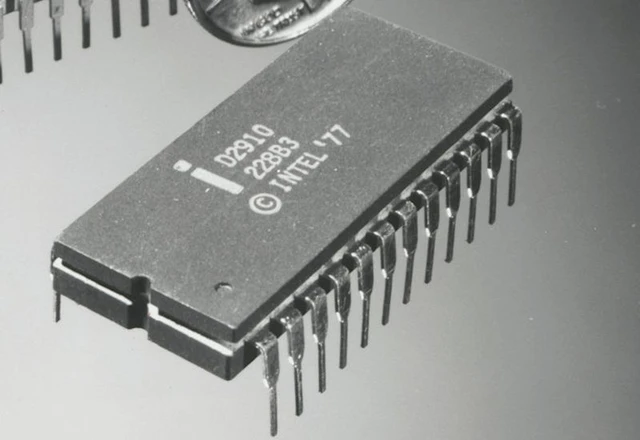 Intel’s Pivot Away from In-House Memory Production
The modern semiconductor market demands an uncompromising concentration of resources on core competencies. Amidst fierce competition, even the industry's titans are being forced to recalibrate their ambitions regarding component manufacturing. Intel has once again become the focal point of speculation regarding a potential return to memory chip production; however, the company's strategic trajectory is shifting away from mere fab ownership toward deep system integration.
31 Aug 2026
 Diversifying HBM4E Memory Production via Intel
The AI explosion has elevated High Bandwidth Memory (HBM) into a critical pillar of competitiveness for modern computing architectures. While Samsung leverages the strategic advantages of vertical integration, SK hynix has historically relied on TSMC’s fabrication capabilities to produce its critical base dies. Current market dynamics are now driving the company to explore alternatives, positioning Intel as a potential key partner for the production of next-generation HBM4E. This strategic pivot is designed to mitigate geopolitical risks and optimize cost structures amidst a global shortage of critical components.
31 Aug 2026
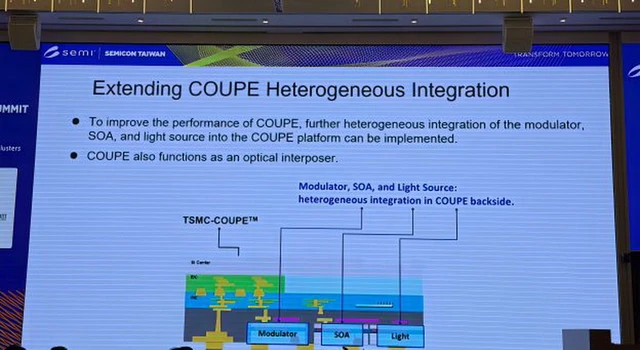 Pushing Beyond the Limits of Silicon Computing for AI
The modern AI industry is grappling with a critical deficit in computational capacity—a gap that cannot be bridged by mere shrinks in process nodes. Conventional chip-to-chip interconnects have become the primary bottleneck, stifling the scalability of large-scale neural networks. The path forward lies in the shift toward heterogeneous integration and the embedding of silicon photonics directly into the processor architecture. This strategic pivot promises a fifty-fold increase in system performance by the end of the decade.
31 Aug 2026
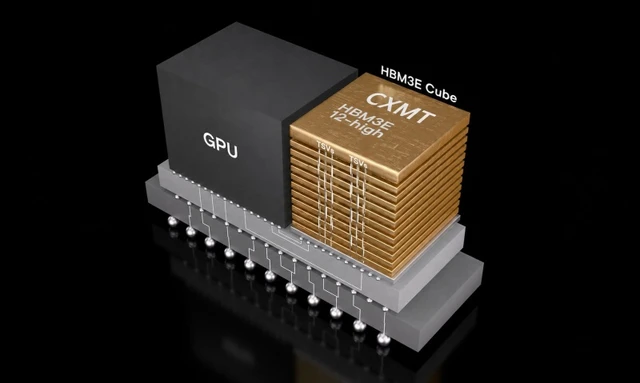 CXMT’s Technological Leap into the HBM3E Segment
The global race for AI supremacy is no longer defined solely by the raw power of computing cores, but by the velocity of data exchange between them. High-bandwidth memory has emerged as the critical nexus—either unlocking new possibilities or imposing rigid constraints on the evolution of neural networks. In this climate, the move by Chinese player CXMT into the trial production phase of HBM3E marks a pivotal moment for the semiconductor industry. This is more than a simple portfolio expansion; it is a strategic bid to dismantle technological dependence on external suppliers.
30 Aug 2026
 Nvidia’s Big Bet on Physical Intelligence
The global technological landscape is undergoing a fundamental paradigm shift: artificial intelligence is transcending screens and cloud computing to find its physical embodiment. At the heart of this evolution is Nvidia, which aims to position itself as the primary architect of the "brains" and "nervous systems" powering global robotics. Despite mounting geopolitical pressures, the company is orchestrating a sophisticated collaborative ecosystem that seamlessly integrates raw hardware power with open-source software. Now, the stewardship of this ambitious venture is passing to the next generation of the Huang family.
30 Aug 2026
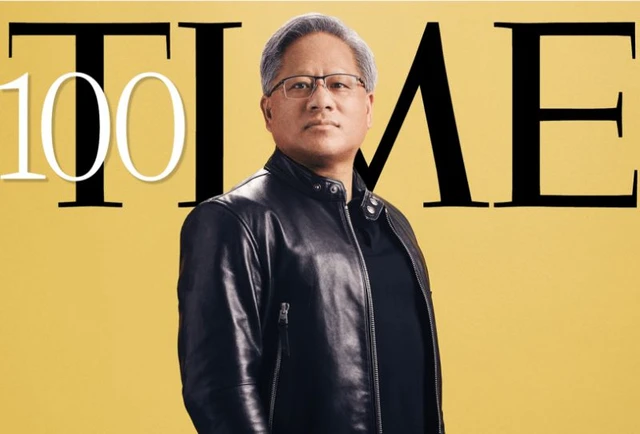 The Evolution of Influence in the World of Artificial Intelligence
The era of AI's meteoric rise is evolving from a phase of raw technological rivalry into a period of societal introspection. The spotlight is shifting away from the architects of the hardware and toward those defining the frameworks for human-algorithmic coexistence. The latest Time100 AI list vividly illustrates this pivot, notably omitting several of the industry's primary titans. This transformation signals the dawn of an era where social and legal leverage carries more weight than the mere possession of computational power.
29 Aug 2026
 The Expansion of Semiconductor Foundry Giants
Global demand for compute has reached a critical inflection point, transforming semiconductor fabrication into a strategic resource of paramount importance. The AI explosion has acted as a catalyst for a dramatic surge in foundry revenues, which spiked by 29% in the second quarter of 2026. This pursuit of process leadership has evolved into a high-stakes geopolitical struggle between the technological titans of Asia and the U.S. Current dynamics point toward a deep consolidation of the market, where mastery of the most advanced nanometer nodes now dictates global leverage.
29 Aug 2026
 The Digital Blockade of China's Computing Power
The global AI arms race is shifting its focus from the procurement of hardware to the strategic control of infrastructure. Following the imposition of export bans on physical accelerators, Washington identified a critical loophole: the ability to access cloud computing power via third-party jurisdictions. Now, the U.S. intends to plug this leak, transforming remote compute access into a potent instrument of geopolitical leverage. This initiative could fundamentally reshape the AI development landscape across the Asia-Pacific region.
