The AI explosion has elevated High Bandwidth Memory (HBM) into a critical pillar of competitiveness for modern computing architectures. While Samsung leverages the strategic advantages of vertical integration, SK hynix has historically relied on TSMC’s fabrication capabilities to produce its critical base dies. Current market dynamics are now driving the company to explore alternatives, positioning Intel as a potential key partner for the production of next-generation HBM4E. This strategic pivot is designed to mitigate geopolitical risks and optimize cost structures amidst a global shortage of critical components.
In the contemporary semiconductor hierarchy, High Bandwidth Memory (HBM) is structured as a complex, multi-layered "stack" where several DRAM dies are vertically integrated. The foundation of this architecture is the base die—a logic layer that serves as the critical interface between the memory stack and the GPU or accelerator. It is precisely at this juncture that the business models of the industry's primary players diverge.
Samsung Electronics enjoys the advantage of complete vertical integration; the company independently designs and manufactures every component of the stack, including the base dies. In contrast, SK hynix has been compelled to rely on external foundries. Until now, its primary partner has been TSMC, which fabricated the base layers using a 12-nanometer process. Notably, the cost of such a die is three to four times higher than that of a standard DRAM die, rendering this stage of production one of the most expensive and vulnerable links in the supply chain.
As the HBM4E standard takes shape, the partnership landscape is shifting. Reports suggest that SK hynix is considering Intel as a second source for its base dies. This move is driven not only by a desire to reduce costs through vendor competition but also by the necessity of supply chain diversification. In an era of heightened geopolitical turbulence, reliance on a single manufacturer—even a titan like TSMC—represents a significant strategic risk.
For Intel, this alliance represents a strategic opening for its burgeoning foundry business. The company is eager to demonstrate the efficiency of its capacity and attract major new clients by offering alternative technological solutions. Specifically, SK hynix has shown interest in Intel's EMIB (Embedded Multi-die Interconnect Bridge) packaging technology, which could emerge as a formidable competitor to TSMC's CoWoS-S and CoWoS-L solutions. EMIB enables high-speed interconnects between chiplets, a capability that is critical for processing the massive datasets required by neural networks.
Adding a layer of intrigue is the human element: the transition of a former SK hynix CEO to Intel's team creates a natural bridge for strengthening corporate ties. Such executive shifts often act as catalysts for the conclusion of complex technological agreements.
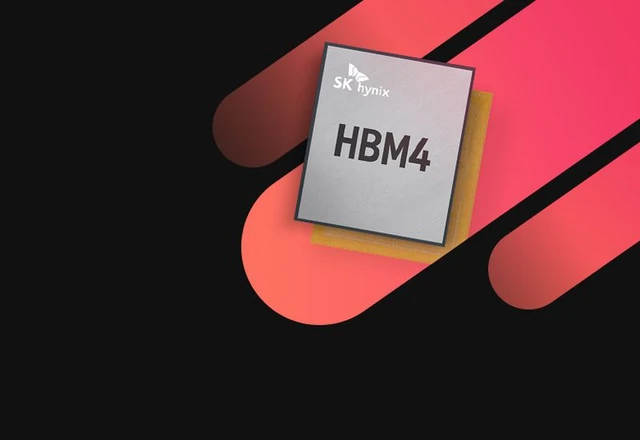
Currently, SK hynix has already commenced the delivery of 12-layer HBM4E samples, underscoring the rapid pace of product development. While the detailed roadmap for cooperation with Intel remains in the discussion phase and is largely hypothetical, the trajectory is clear: the memory industry is moving away from monopolistic dependencies toward agile ecosystems, where technological superiority is defined by the ability to synthesize the best engineering solutions from multiple vendors.
 The Korea-Japan Technological Alliance