The global race for semiconductor supremacy is entering a new phase, characterized by the formation of deep-seated regional alliances. South Korean titan SK hynix is weighing the establishment of a production hub in Japan—a move that signals a pivotal new chapter in the economic rapprochement between the two nations. Amidst capacity shortages and cutthroat competition within the AI memory sector, securing optimal manufacturing sites has evolved from a logistical preference into a matter of strategic survival. This initiative is designed not merely to scale production volumes, but to forge a resilient technological bloc within East Asia.
The contemporary microelectronics industry has long since evolved beyond mere commerce; today, it serves as a potent instrument of geopolitical leverage. SK Group’s recent announcements regarding the search for suitable land in Japan underscore the company's resolve to expand beyond its traditional markets. Chairman Chey Tae-won has been vocal about the necessity of forging a unified economic bloc between South Korea and Japan—a move that effectively represents an attempt to establish a formidable counterbalance to Western technological hubs.
In selecting its location, SK hynix is guided by pragmatic imperatives: access to stable power grids and vast quantities of ultra-pure water. For a modern semiconductor fabrication plant, these resources are mission-critical; any power fluctuation or water shortage can trigger catastrophic financial losses and bring production lines to a grinding halt.
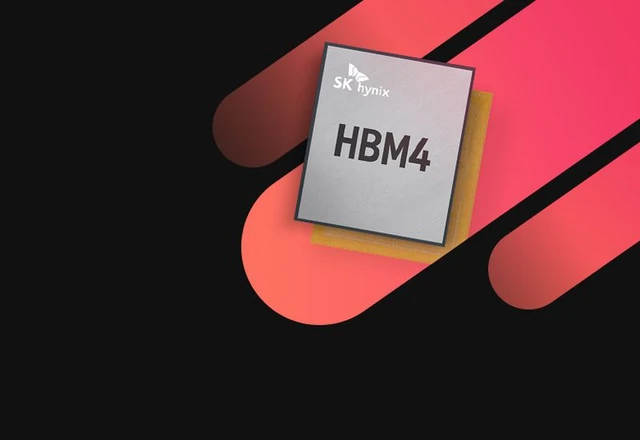
This Japanese expansion is a cog in a larger global strategy. The company has already broken ground on a facility in Indiana, USA, which will focus on the testing and packaging of HBM4E memory. High Bandwidth Memory (HBM) has become the cornerstone of modern GPUs used in neural network training, and SK hynix aims to maintain end-to-end control—from the silicon wafer to final packaging—across diverse global hubs.
The Japanese market offers a distinctive ecosystem. While US competitor Micron Technology already operates facilities at the former Elpida plant, Japan's potential extends far beyond. The presence of players like Kioxia, coupled with massive demand from Sony, Nintendo, and major automotive conglomerates, creates an ideal environment for industrial synergy.
A pivotal factor in this strategic calculus is the policy of the Tokyo government. Japanese authorities are aggressively pursuing a resurgence of their national semiconductor industry, offering SK hynix the prospect of significant government subsidies. Partnering with a local entity would substantially streamline access to these financial resources, transforming the plant's construction from a purely commercial venture into a strategic state partnership. Consequently, the creation of a joint venture becomes a logical step in the architecture of a new technological order—one where economic profitability is inextricably linked to regional security and industrial sovereignty.
 Intel’s Pivot Away from In-House Memory Production