29 Aug 2026
 The Microduck Phenomenon in Consumer Robotics
For years, modern robotics remained the exclusive domain of secluded laboratories and prohibitively expensive industrial systems. However, the emergence of accessible consumer platforms is shifting this paradigm, transforming complex machinery into instruments for widespread creative exploration. Pollen Robotics' Microduck serves as a compelling case study in the latent demand for open, programmable hardware. Beyond its eccentric aesthetic, the robot is laying the groundwork for a novel ecosystem centered on inter-machine skill sharing.
28 Aug 2026
 Nvidia’s Technological Pragmatism in the Open-Model Race
The global AI arms race is shifting its focus from algorithmic innovation to the strategic control of hardware. Nvidia now finds itself at the epicenter of this geopolitical clash, caught in a delicate balancing act between White House mandates and the explosive growth of China's open-source ecosystem. By optimizing its silicon for Chinese models, the company is fighting to preserve the global hegemony of the American tech stack. This strategy exposes a fundamental tension between national security imperatives and market expansion in the age of open-source software.
28 Aug 2026
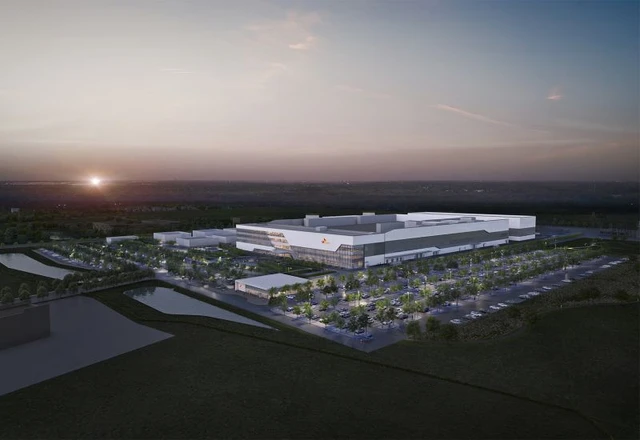 SK hynix's Strategic Leap in Indiana
The global AI surge has ignited an unprecedented demand for high-performance memory, elevating it to one of the most critical strategic assets in the modern economy. Amidst escalating geopolitical volatility, the localization of manufacturing has emerged as the primary mechanism for ensuring supply chain resilience and safeguarding technological sovereignty. South Korean industry titan SK hynix is making a strategic pivot, relocating a portion of its production capabilities directly to U.S. soil. The establishment of a massive HBM packaging facility in Indiana is designed to cement the company's dominance in the age of neural networks.
28 Aug 2026
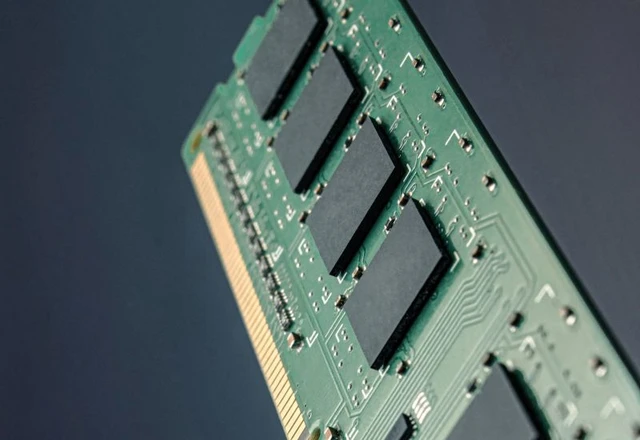 Nvidia’s Bet on Perpetual Growth
The current AI revolution is fueled not merely by raw computational power, but by massive financial leverage. Nvidia is playing a high-stakes game, tethering its future to aggressive guarantees issued to suppliers and partners. The scale of these commitments echoes the unsettling patterns of the dot-com era, where unchecked optimism paved the way for systemic collapse. The pivotal question remains: is the current demand rooted in fundamental value, or are we witnessing the inflation of yet another tech bubble?
28 Aug 2026
 Tariff Barriers for American AI
Global trade policy is pivoting sharply toward aggressive protectionism, transforming tariffs into a primary lever of geopolitical leverage. A new U.S. government initiative to levy taxes on imported electronics threatens to pose a severe challenge to the entire technology sector. Amidst the escalating AI arms race, such measures create a perilous paradox, throttling access to mission-critical hardware. At stake are not merely consumer prices, but the very trajectory of digital infrastructure development across an entire continent.
28 Aug 2026
 Anthropic’s Legal Victory Over the Pentagon
The clash between the ethical imperatives of AI developers and the rigid mandates of national security inevitably precipitates legal friction. The dispute between Anthropic and the U.S. Department of Defense serves as a landmark case study in how the state apparatus can leverage administrative power to stifle dissent. The U.S. District Court's ruling has laid bare the mechanisms of coercion exerted upon the tech sector, marking a critical juncture where the principles of free speech collide with the strategic interests of the military establishment. This precedent effectively delineates the boundaries of autonomy for AI laboratories amidst the heat of the global digital arms race.
28 Aug 2026
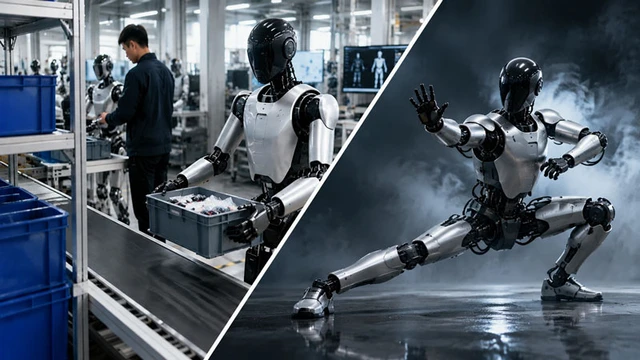 The Applicability Crisis of Chinese Humanoid Robots
The global race to develop humanoid robots has reached a critical juncture where spectacle collides with stark reality. Grappling with a demographic crisis and a rapidly aging population, China views these machines as the sole lifeline for its industrial sector. Yet, the chasm between choreographed demonstrations and actual factory-floor utility has proven to be catastrophic. The current state of affairs exposes a fundamental tension between technological ambition and economic viability.
28 Aug 2026
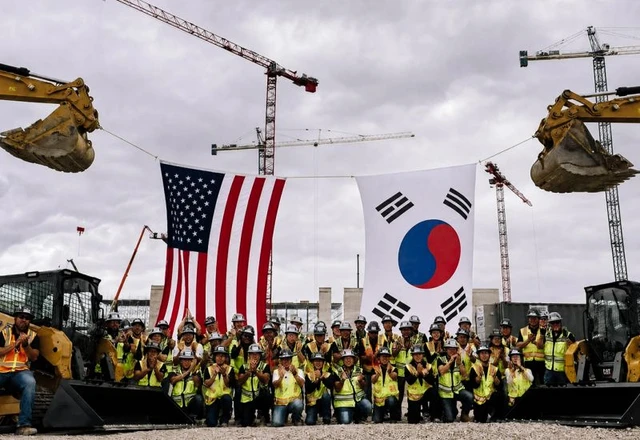 Memory Shortage Projections through 2031
The global AI surge is fundamentally reshaping the semiconductor landscape. Memory is no longer a mere commodity; it has evolved into a highly customized strategic asset. According to forecasts from SK Hynix leadership, market shortages are expected to persist through 2031, signaling a profound structural transformation within the industry. The era of volatile overproduction cycles is giving way to precision planning tailored to the specific requirements of tech giants.
28 Aug 2026
 Societal Strain in the Age of the AI Boom
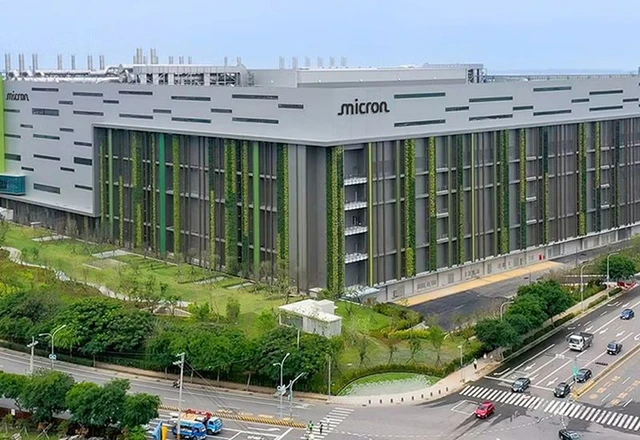
The AI revolution has brought the semiconductor industry more than just a technological triumph; it has exposed a profound social divide. While memory titans report record-breaking profits, the workforce is demanding a fair redistribution of these windfall gains. A wave of labor unrest, originating in South Korea, is rapidly sweeping across to Taiwan, jeopardizing the stability of the supply chain for critical components. At the heart of this conflict lies a fundamental question: at what cost is today's technological leap being achieved?
28 Aug 2026
 The Era of Automated Semiconductor Synthesis
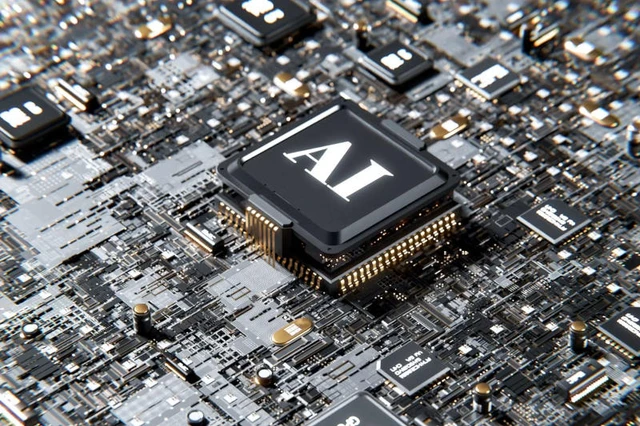
The contemporary microelectronics industry is grappling with a critical disconnect: AI software models are evolving at a pace that far outstrips the development of the hardware optimized to run them. Traditional chip design cycles span years and demand massive capital expenditures, creating a systemic bottleneck that stifles technological progress. Architect Labs, an emerging startup, proposes a radical departure from this impasse by offloading the heavy lifting of engineering to machine learning algorithms. Their Project Redwood demonstrates the potential to compress design timelines from months to mere days, effectively rewriting the playbook for the semiconductor industry.
28 Aug 2026
 Vera Rubin and the New Computational Economy
The global artificial intelligence market is pivoting from a phase of raw capacity accumulation toward an era of extreme resource optimization. At the heart of this transition is Nvidia, which is effectively transforming its technology stack into a sophisticated instrument for capital management. The unveiling of the Vera Rubin platform represents more than a mere product refresh; it marks a strategic pivot in the monetization of infrastructure. Power availability has now emerged as both the primary bottleneck and the critical lever for growth.
28 Aug 2026
 Intel’s Technological Comeback: The 14A Process Node
The semiconductor industry is currently locked in a relentless battle for every single angstrom. Intel, having spent years wrestling with its own erratic roadmaps, is now orchestrating a sweeping technological comeback. The new 14A process is more than just another milestone in miniaturization; it is a critical litmus test of the company's ability to maintain stable wafer yields. Recent data suggests that Intel may have finally broken the vicious cycle of manufacturing failures that has plagued the company for the last decade.
