The global AI arms race is shifting its focus from the procurement of hardware to the strategic control of infrastructure. Following the imposition of export bans on physical accelerators, Washington identified a critical loophole: the ability to access cloud computing power via third-party jurisdictions. Now, the U.S. intends to plug this leak, transforming remote compute access into a potent instrument of geopolitical leverage. This initiative could fundamentally reshape the AI development landscape across the Asia-Pacific region.
The era of direct export controls—where restrictions were defined by the physical shipment of silicon—is drawing to a close. The US Department of Commerce has come to realize that banning the direct supply of advanced GPUs to China was merely a half-measure. Chinese developers found a workaround by leveraging leased capacity in data centers located outside their borders. Consequently, computing power built on American technology remains accessible to the adversary; it has simply migrated to the cloud.
Thailand, Singapore, and Malaysia have emerged as the primary hubs of this shadow infrastructure. These nations host significant clusters of advanced accelerators, access to which does not formally violate current US law. For Chinese firms, these data centers have become "digital sanctuaries," enabling the continued training of large-scale models despite stringent sanctions. In response, US regulators are drafting legislative initiatives aimed at criminalizing or restricting remote access to such resources for entities from adversarial nations.
The situation is further complicated by the inherent tension between national security interests and the commercial ambitions of tech giants. Companies, led by Nvidia, have aggressively lobbied for the relaxation of rules to maintain access to one of the world's largest markets. This pressure resulted in the approval of specific modified accelerators, such as the H200, allowing Nvidia to post multi-million dollar profits even under sanction pressure. However, the tide is turning: security and technological hegemony are beginning to outweigh corporate quarterly earnings.
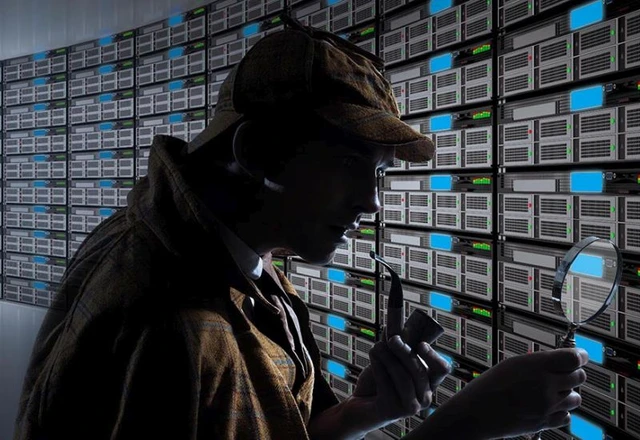
Washington is particularly concerned by the progress of Chinese large language models, specifically Moonshot AI’s Kimi K3. US intelligence and regulatory bodies suspect the developers of employing "model distillation." Technically, distillation allows knowledge to be "transferred" from a massive, proprietary model (such as GPT-4) into a more compact and efficient one by analyzing its outputs. It is believed that data centers in Thailand were utilized for this process, effectively meaning American intellectual assets were indirectly leveraged to bolster Chinese AI.
The primary obstacle to implementing this strategy remains a legal paradox. Traditional export control regulations govern the movement of physical goods—the "hardware." However, remote access to computation is a service, not a commodity, creating a regulatory gray area. The US Department of Commerce is currently seeking mechanisms to extend control to virtual resources. Should this initiative succeed, the world may face an unprecedented fragmentation of cloud infrastructure, where access to computing power is determined not only by a client's solvency but by their geopolitical alignment.
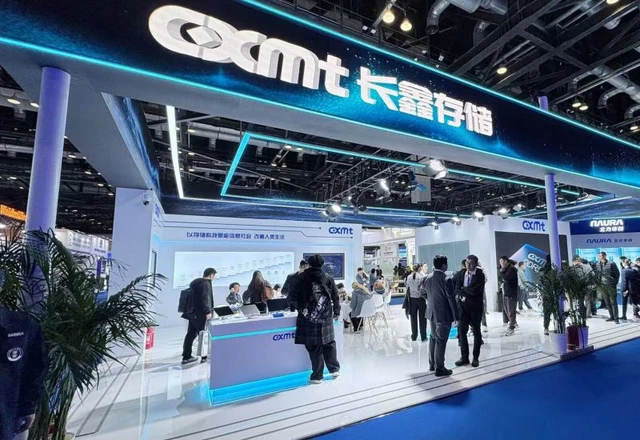 CXMT Lawsuit Against the US Department of Defense