20 Aug 2026
 The Hidden Survival Mechanism of NeXT
The narrative of Steve Jobs is often framed as a classic arc of triumph, downfall, and redemption. Yet, his exile from Apple was defined by more than just creative exploration; it was a period governed by the cold, hard pragmatism of survival. A lesser-known reality is that the survival of NeXT, his ambitious venture, was underpinned by the machinery of the U.S. government. It was clandestine intelligence contracts that forged the financial and technological bedrock, ultimately paving the way for the visionary's return to Apple.
20 Aug 2026
 Biometrics in the Service of Media Analytics
The pivot toward streaming services has fundamentally dismantled the traditional notion of the "family screen." Audience measurement has evolved into a complex puzzle, rendering traditional panel-based research obsolete and non-representative. Nielsen, the global titan of media analytics, is tackling this challenge by deploying wearable devices to monitor viewer engagement. This move signals a paradigm shift from passive observation to the active biometric tracking of consumer behavior.
20 Aug 2026
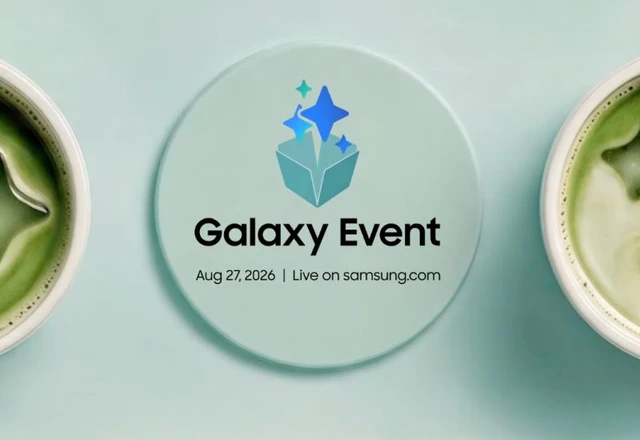 The Debut of the Galaxy S26 FE
The contemporary mobile landscape is increasingly shifting toward a philosophy of pragmatic consumption, as users seek the ideal equilibrium between cutting-edge innovation and economic rationality. Samsung has traditionally addressed this demand through its Fan Edition series, distilling the core capabilities of its flagships into a more accessible package. The upcoming release of the Galaxy S26 FE is poised to be a pivotal milestone in the democratization of sophisticated artificial intelligence and high-performance silicon. On August 27, the world will witness a device engineered to redefine the very notion of the "optimal" smartphone.
20 Aug 2026
 The Final Chapter in the Effort to Save the Swift Observatory
Space debris and orbital decay have emerged as the primary existential threats to modern astronomy. The Swift Observatory, a cornerstone for the study of gamma-ray bursts, now teeters on the brink of atmospheric reentry and inevitable incineration. An ambitious rescue mission, employing a specialized space tug, was envisioned as a landmark breakthrough in the burgeoning field of on-orbit satellite servicing. Instead, a series of technical failures has transformed the operation into a costly masterclass in deep-space risk management.
19 Aug 2026
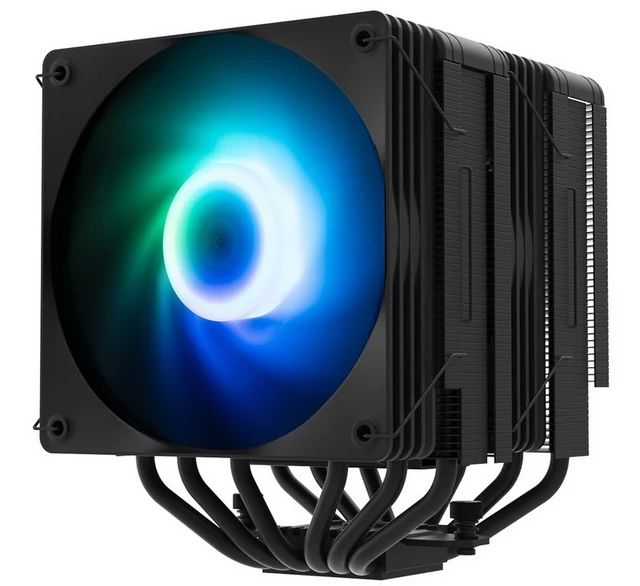 Zalman's New Dual-Tower Cooling Systems
Modern processors are placing increasingly stringent demands on thermal management, elevating the battle against overheating to a true art form of engineering. As the TDP of flagship silicon continues to climb, the efficiency of air cooling has returned to the spotlight, offering steadfast reliability without the inherent complexities of liquid-cooling loops. Zalman has unveiled its updated dual-tower coolers, the CNPS15X BP and CNPS12X BP, specifically engineered to handle extreme workloads. These systems are designed to maintain thermal stability even under the most demanding operational scenarios.
19 Aug 2026
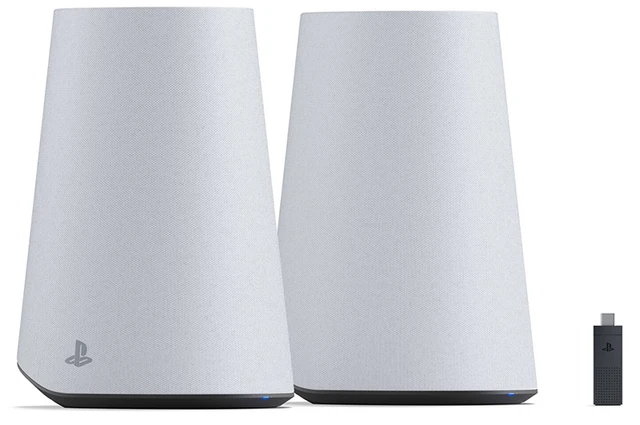 The Sony Pulse Elevate Audio Standard
The gaming industry is accelerating toward a paradigm of absolute audiovisual realism, where sound is evolving into an instrument of immersion every bit as critical as graphics. Sony is making a decisive move in this direction, distilling professional studio-grade technology for the consumer market. The new Pulse Elevate wireless speakers are designed to dissolve the boundary between home gaming and high-fidelity monitoring, positioning the device as the essential link between consoles, portable devices, and professional workstations.
19 Aug 2026
 The End of Nokia's Expansion in the Chinese Market
The global telecommunications landscape is undergoing a period of tectonic shifts, as the long-standing dominance of Western giants gives way to regional hegemony. For decades, European vendors shaped the digital infrastructure of emerging markets; today, however, the trajectory of influence has shifted decisively. Nokia, once the quintessential symbol of global connectivity, is now compelled to begin a strategic retreat from one of its most critical historical strongholds. This exodus is less a reflection of internal corporate failure and more a symptom of China’s systemic pivot toward total technological autonomy.
19 Aug 2026
 The Hazy Outlook for the PlayStation 6 Launch
The gaming industry stands on the precipice of its next great technological leap, poised for the arrival of the next generation of consoles from Sony and Microsoft. However, the global AI explosion has triggered an unforeseen semiconductor shortage, disrupting traditional hardware refresh cycles. With memory costs skyrocketing, the development of the PlayStation 6 has evolved into a formidable economic challenge. The central issue is no longer merely a matter of raw computational power, but of ensuring the hardware remains physically accessible and affordable for the mass market.
19 Aug 2026
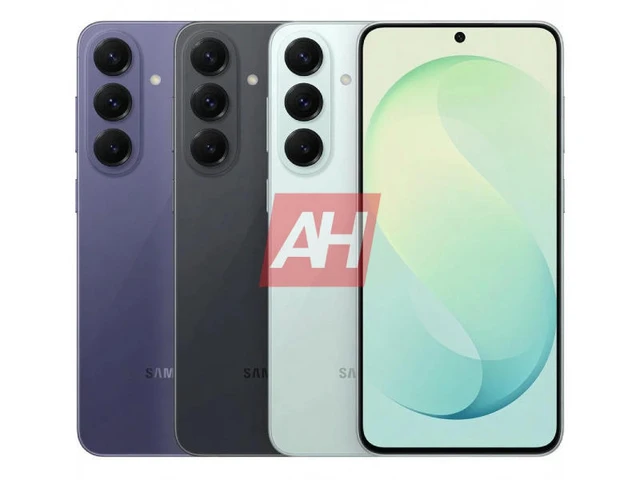 The Power Trade-off of the New Galaxy S26 FE
The contemporary smartphone landscape has evolved into a relentless pursuit of energy efficiency, where every additional hour of screen-on time serves as a critical competitive edge. Amidst this competition, Samsung is recalibrating the equilibrium for its "accessible" FE flagship series, striving to harmonize raw performance with sustained endurance. Recent filings from European regulatory bodies suggest a significant leap in battery life for the forthcoming Galaxy S26 FE. Yet, this progress has come at a cost, forcing the manufacturer to make strategic compromises regarding the long-term durability of its components.
19 Aug 2026
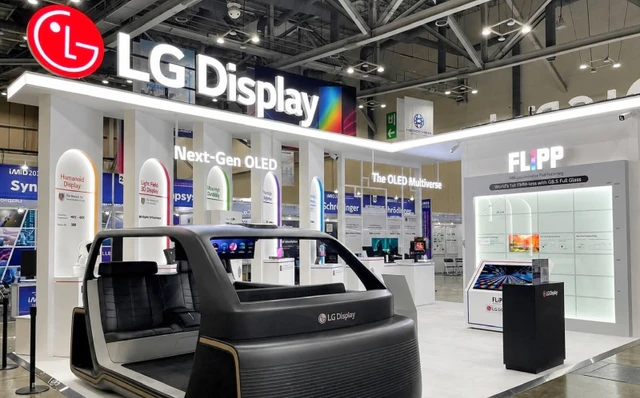 Next-Generation Maskless OLED Printing
For years, the OLED display industry has been constrained by the inherent physical limitations of traditional manufacturing processes. While a decade of reliance on Fine Metal Masks (FMM) enabled mass-market adoption, it simultaneously created significant bottlenecks for scalability and power efficiency. The introduction of LG Display’s FLiPP technology marks a fundamental paradigm shift, moving away from mechanical stencils toward high-precision photolithography. This transition promises to radically reshape production economics and redefine the performance benchmarks for next-generation displays.
18 Aug 2026
 Samsung’s Strategic Expansion into China
The global semiconductor landscape is undergoing a fundamental transformation, catalyzed by the meteoric rise of generative AI. At the epicenter of this shift is Samsung Electronics, whose financial trajectory is now inextricably linked to its ability to navigate the friction between the world's dominant geopolitical blocs. Recent corporate filings reveal a surprising pivot: the Chinese market has overtaken the U.S. as the primary driver of profitability. This trend underscores the profound interdependence of tech titans and the intricate complexities of the modern global division of labor.
18 Aug 2026
 Van Gogh’s Aesthetic Vision in the MSI Prestige 14
Modern technology is increasingly drawing inspiration from classical art, transforming productivity tools into objects of high design. MSI is taking a bold leap, fusing the computational power of artificial intelligence with the emotive expression of Vincent van Gogh. The new limited-edition Prestige 14 Flip AI+ series represents an ambitious attempt to blur the line between a functional device and an artistic canvas. This is more than a mere aesthetic experiment; it is a conceptual approach to crafting a premium digital environment.
