The boundary between physical and digital presence is becoming increasingly porous. Meta is seeking to redefine the very essence of video communication, transforming flat imagery into fully realized three-dimensional entities. The upcoming Connect 2026 event is poised to be the inflection point, marking the transition from cumbersome VR systems to lightweight, accessible AR solutions. Central to this strategy is a commitment to absolute visual fidelity and the psychological comfort of the user.
Meta Platforms' long-term strategic roadmap for augmented and virtual reality has always been centered on conquering the "uncanny valley"—that psychological threshold where digital representations of humans become unsettlingly unnatural. The company has prioritized the creation of photorealistic 3D avatars capable of conveying the subtlest nuances of facial expression and gesture in real time. At the upcoming Connect 2026 forum, this progress is expected to be presented not merely as a conceptual demo, but as a functional communication tool.
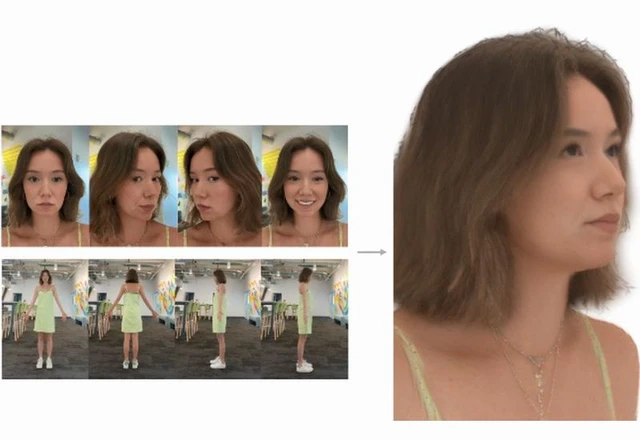
The pivotal technological leap has been the evolution of the Codec Avatars system. Previously, generating a convincing digital twin required vast sensor arrays and high-performance server stations—as demonstrated in Mark Zuckerberg's autumn 2023 interview with Lex Fridman. Now, the focus has shifted toward optimization and neural network generation. The current approach enables the creation of full-body volumetric models from just a few smartphone photos. The process takes mere seconds, yet the resulting avatar retains fluid, lifelike dynamics, making it viable for deployment on resource-constrained wearable devices.
The hardware manifestation of this vision is Project Phoenix. This lightweight AR headset is designed to occupy a market niche similar to the flagship Quest Pro, but with a fundamental ergonomic redesign. To achieve a compact form factor and reduce the weight on the user's head, Meta has made a strategic pivot: the primary computational power is offloaded to a separate external module. This architecture maintains the high performance required for rendering complex graphics without transforming the glasses into a cumbersome helmet.
The utility of Phoenix extends far beyond simple entertainment. The device is positioned as a productivity powerhouse capable of replacing traditional monitors and wall-mounted screens by creating a virtual workspace around the user. Simultaneously, the headset could become the ultimate medium for content consumption, turning movie-watching into a fully immersive experience. While some internal documents still refer to the device as "VR glasses," its final market positioning remains fluid.
These technologies are being integrated at the operating system level via Horizon OS. The term "Hologram" is appearing more frequently in the code, describing a feature for the instantaneous creation of animated avatars for video calls. A user simply needs to take a selfie for the system to automatically inject their digital twin into the communication interface.
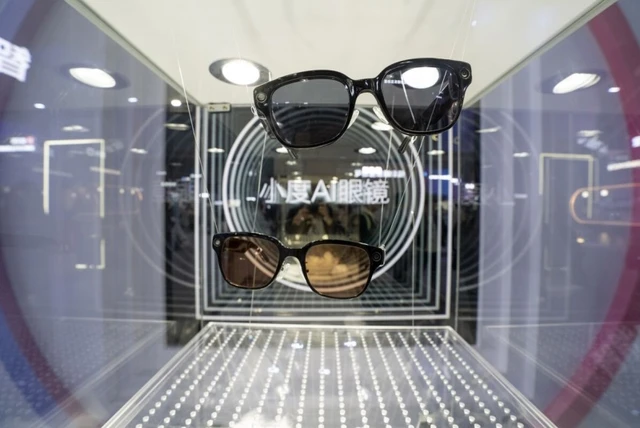
In parallel, Meta is addressing the challenges of societal adoption and privacy. The company is expected to unveil a production version of the Luna smart glasses, which will lack cameras. This move is driven by a desire to alleviate public anxiety and resolve ethical concerns surrounding covert surveillance—factors critical to the mass adoption of wearables in daily life. In doing so, Meta is building an ecosystem where the technical perfection of holograms is balanced with physical comfort and a respect for personal space.
 The Safety Crisis of Embodied Intelligence