27 Jul 2026
 The Acoustic Conflict of the AI Era
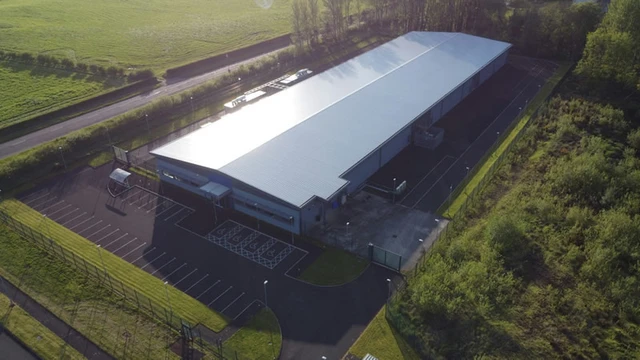
The explosive growth of generative AI is driving an insatiable demand for computational power, inevitably pushing the expansion of data centers into residential neighborhoods. This collision between technological progress and the fundamental human need for peace and quiet has transformed server farms into flashpoints of social tension. In Michigan, this conflict has escalated into a full-scale legal battle between local residents and an AI infrastructure operator. The case exposes a systemic misalignment: industrial cooling standards are fundamentally incompatible with modern urban zoning and noise ordinances.
27 Jul 2026
 The Cost of Error: Autonomous Driving in Austin
The shift toward autonomous urban mobility is often marketed as a seamless leap into the future, yet reality reveals friction in the most granular details. In Austin, Texas, Waymo’s fleet has run headlong into a surprisingly "human" obstacle: the intricacies of parking compliance. While the industry toasts its technological milestones, AI’s struggle to parse the nuances of the urban landscape is resulting in thousands of dollars in fines. This friction underscores a critical disconnect between rigid algorithmic logic and the inherent chaos of city infrastructure.
27 Jul 2026
 Amazon’s Global Expansion into Satellite Connectivity
The race for global connectivity is migrating from terrestrial cell towers to the reaches of outer space. Amazon’s ambitions to deploy a massive satellite constellation signal a paradigm shift: moving away from specialized hardware toward seamless, ubiquitous connectivity via standard smartphones. The integration of Low Earth Orbit (LEO) systems with existing telecommunications infrastructure promises to finally obliterate the concept of "dead zones" across the globe. This strategy reimagines the satellite not merely as a tool for emergency response, but as an integral component of everyday digital interaction.
26 Jul 2026
 Sony Alpha 7 V: The Art of Evolution
The modern mirrorless market has entered a phase of maturity, where disruptive revolutions have given way to the art of precision refinement. The Sony Alpha 7 V stands as the quintessential embodiment of this shift, aiming to push the concept of the all-purpose full-frame tool to its absolute zenith. In an era where the boundaries between photographer and videographer have completely dissolved, a camera is no longer defined by a mere spec sheet; it has evolved into an intelligent interface bridging the creator and their reality. This is a study in how surgical technological enhancements can fundamentally transform the user experience.
26 Jul 2026
 OpenAI’s Intelligent Expansion into Wearables
The world is rapidly pivoting away from traditional screens toward a paradigm of "invisible" interfaces and ambient computing. Artificial intelligence is evolving beyond the confines of browser-based chatbots, transforming into a proactive observer and a seamless intermediary between humans and their physical reality. OpenAI aims to bridge the divide between high-capacity large language models and third-party wearable hardware—a strategic shift that signals a fundamental transformation in how we interact with digital information.
26 Jul 2026
 The Energy Resonance of Artificial Intelligence
The meteoric rise of artificial intelligence computing power is introducing a new breed of systemic risks to global energy infrastructure. A recent incident in the suburbs of Washington, D.C., has exposed a critical vulnerability: the ability of hyperscale data centers to destabilize power grids in a matter of seconds. The synchronous transition of massive compute clusters to backup power generates hazardous voltage spikes, which can trigger catastrophic cascading failures. This development forces engineers and regulators to fundamentally re-evaluate the operational synergy between AI infrastructure and legacy electrical grids.
26 Jul 2026
 The Limits of CXMT's Influence on the DDR5 Market
For years, the global semiconductor landscape has been anticipating a disruptor capable of challenging the hegemony of South Korea's industry titans. The foray of China's CXMT into the DDR5 segment was widely viewed as the primary catalyst for driving down memory prices. Yet, the reality has proven far less dramatic: an increase in supply failed to trigger the anticipated price crash. This case underscores the profound disconnect between state-driven subsidies and the actual mechanics of market pricing.
25 Jul 2026
 A New Order in Memory Manufacturing
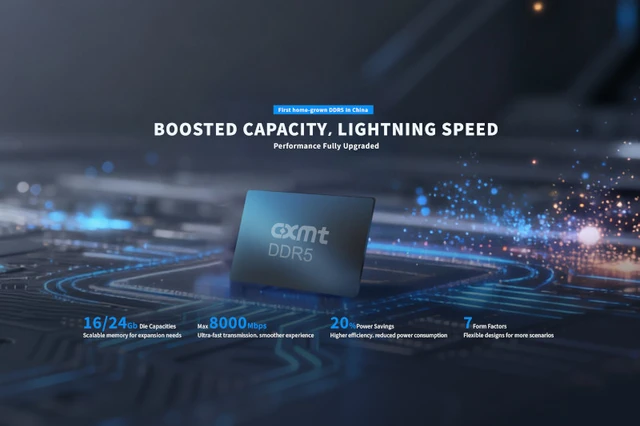
The global AI surge has triggered an unprecedented shortage of semiconductor memory, fundamentally reshaping the industry's power dynamics. Chinese titans CXMT and YMTC—long dismissed as mere beneficiaries of state subsidies—have rapidly evolved into formidable market contenders. Today, they are no longer merely competing with global incumbents; they have begun to exert significant leverage over the industry's largest buyers. This transformation signals a strategic pivot: moving away from low-cost dumping toward a position of aggressive pricing dominance.
25 Jul 2026
 The Cost of Downtime for the Vulcan Centaur System
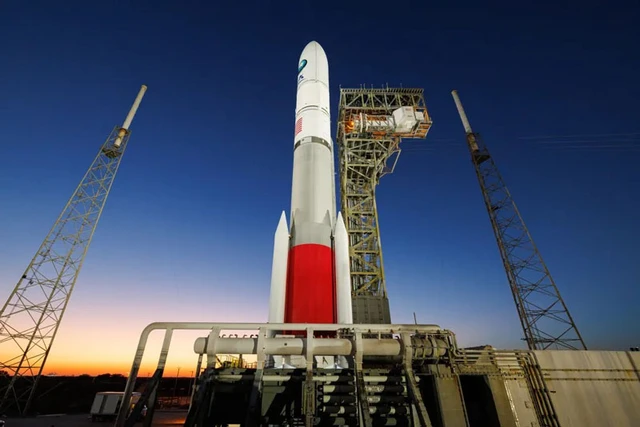
Modern spaceflight demands absolute precision, where the slightest technical oversight can trigger a catastrophic financial fallout. The current predicament of the Vulcan Centaur serves as a stark reminder of how vulnerable even industry titans are to systemic supply chain disruptions. When ambitious launch manifests collide with the harsh reality of manufacturing defects, the impact extends beyond delayed schedules—it threatens the very economic viability of the corporation. United Launch Alliance now finds itself in a precarious position, scrambling for stability while its flagship technological asset remains grounded.
25 Jul 2026
 Memory Shortages Reshape the Economics of the Pixel Series
The global semiconductor market is grappling with unprecedented volatility, sending direct shockwaves through the pricing of premium consumer electronics. A sharp surge in memory chip costs is exerting critical pressure on manufacturers, compelling them to re-evaluate not only their pricing strategies but the very technical specifications of their flagship devices. Google finds itself at the epicenter of this turmoil—a situation that will inevitably ripple through the development of the upcoming Pixel 11 series. Market realities are now dictating the terms, shifting the focus from pure engineering ambition to the cold calculus of economic viability.
25 Jul 2026
 Anthropic’s Path to Hardware Independence
The global AI arms race is pivoting from a battle of algorithms to a struggle over physical infrastructure. Leading research labs have come to realize that software supremacy is unattainable without absolute control over the underlying compute power. Anthropic is now making a strategic move toward developing its own proprietary hardware stack, aiming to decouple itself from the constraints of third-party suppliers. Recent procurement requests for specialized memory signal that the project has evolved beyond conceptual blueprints and is now entering the phase of tangible implementation.
25 Jul 2026
 The Technological Rift Between Apple and Micron
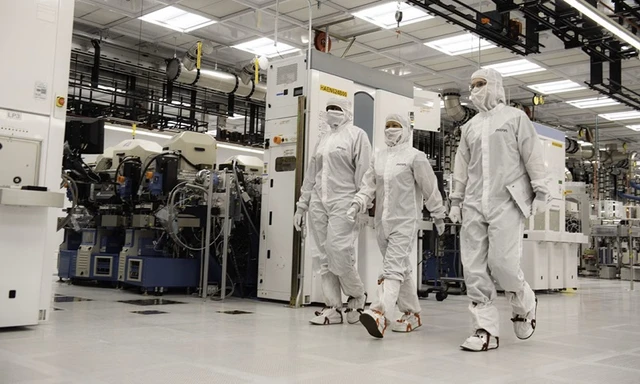
The global semiconductor market has evolved into a high-stakes arena of confrontation, where economic imperatives clash with national security mandates. At the epicenter of this struggle are two American titans—Apple and Micron—whose interests have diverged over the fundamental issue of memory procurement. This friction presents the U.S. administration with a precarious balancing act: weighing the accessibility of consumer electronics against the imperative of technological sovereignty. Ultimately, this dispute exposes systemic contradictions within the broader U.S. strategy to curtail China's influence.
