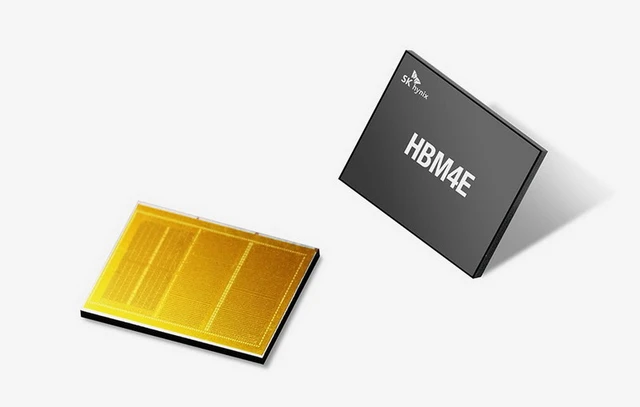
The global semiconductor market has evolved into a high-stakes arena of confrontation, where economic imperatives clash with national security mandates. At the epicenter of this struggle are two American titans—Apple and Micron—whose interests have diverged over the fundamental issue of memory procurement. This friction presents the U.S. administration with a precarious balancing act: weighing the accessibility of consumer electronics against the imperative of technological sovereignty. Ultimately, this dispute exposes systemic contradictions within the broader U.S. strategy to curtail China's influence.
The contemporary high-tech landscape is weathering a volatile transformation, where supply chains have evolved from mere logistical concerns into instruments of geopolitical leverage. In this climate, the friction between Apple and Micron Technology is more than just a corporate dispute; it is a clash of two divergent philosophies for survival amidst the ongoing trade war between the United States and China.
In an effort to optimize its massive expenditures and mitigate chronic component shortages, Apple has lobbied the U.S. government to permit the use of memory chips from Chinese firms ChangXin Memory Technologies (CXMT) and Yangtze Memory Technologies (YMTC). Specifically, this applies to products destined for markets outside the United States. The corporation's logic is straightforward: integrating Chinese suppliers would drive down the cost of the final product, ultimately benefiting the American consumer. For Apple, efficiency and iPhone availability remain the primary objectives, even if achieving them requires a partial loosening of the technological blockade against China.
Conversely, Micron Technology—the sole major American player in the memory market—views this approach as an existential threat. Company leadership warns that legitimizing supplies from Chinese competitors could trigger a domino effect, leading to the degradation of domestic industry. As a cautionary tale, Micron points to the U.S. steel sector, which suffered for decades under the expansion of Chinese production, resulting in widespread plant closures and a critical loss of technical expertise.
This puts the Trump administration in a classic bind. On one hand, there is the political imperative to maintain low consumer prices for voters, a position that favors Apple. On the other is the strategic necessity of bolstering domestic semiconductor manufacturing to reduce reliance on external actors—the core of Micron's argument.
The conflict is further inflamed by reciprocal allegations of inefficiency. Micron contends that memory shortages can be resolved through increased investment in U.S.-based capacity and insists that rising gadget prices are driven by a confluence of factors rather than chip costs alone. Apple counters these claims, accusing Micron of unjustified price premiums and a failure to adequately scale production.
As the White House navigates these opposing poles, attempting to avoid provocative escalations with Beijing, one thing has become clear: the struggle over semiconductors is not merely a fight for market share, but a battle for the authority to define the technological standards of the future.
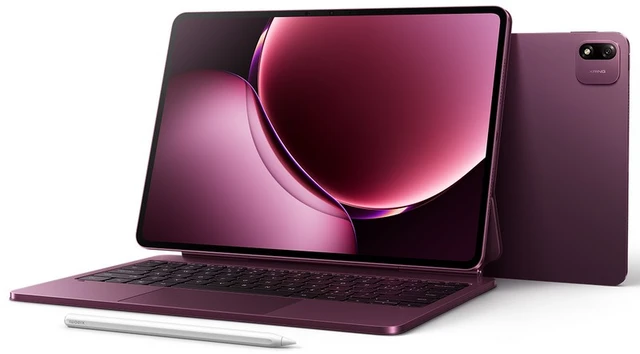 Power and Poise: The Xiaomi Pad 9 Pro Max