11 Aug 2026
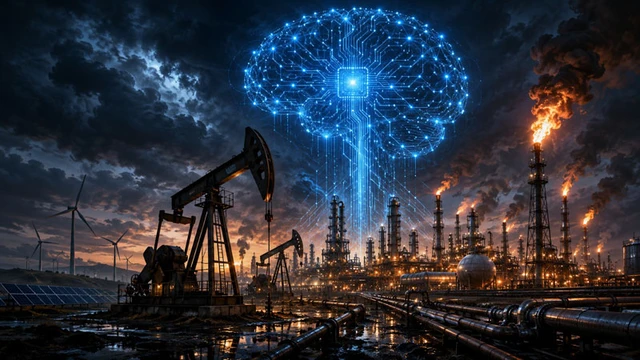 Digital Catalyst for Fossil Energy
For years, the environmental footprint of artificial intelligence has been analyzed almost exclusively through the prism of data center energy consumption. Yet, a more rigorous analysis reveals a far more systemic and perilous impact: these algorithms are actively stimulating the extraction of hydrocarbons. Paradoxically, technological leaps in this field are accelerating the exploitation of fossil fuels at a pace that outstrips the growth of green energy generation. Consequently, rather than serving as a catalyst for climate rescue, AI is emerging as a powerful lever that reinforces the legacy energy paradigm.
28 Jul 2026
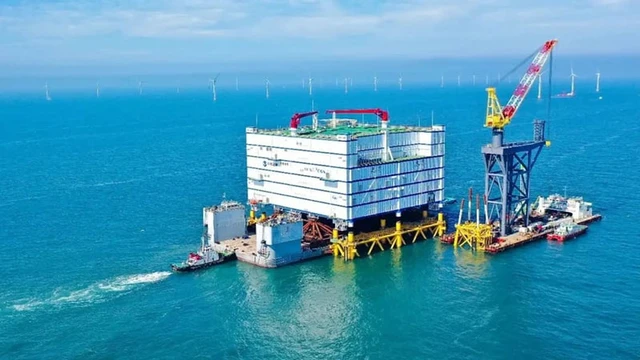 Energy Breakthrough in the South China Sea
The transition toward renewable energy is driving offshore wind farms further from the coastline, where wind patterns are more consistent and potent. However, transporting electricity across vast oceanic distances presents a fundamental engineering hurdle: significant power loss inherent in alternating current (AC) transmission. China has addressed this challenge by developing an offshore direct current (DC) converter of unprecedented scale—a project that marks a new milestone in the evolution of global energy infrastructure and industrial engineering.
22 Jul 2026
 Synthesizing Aviation Fuel from Plastic Waste
The global plastic pollution crisis demands a fundamental shift—moving beyond mere waste collection toward advanced chemical recycling. Conventional polymer disposal methods are frequently plagued by environmental concerns or rendered economically unviable due to the prohibitive cost of catalysts. A promising solution lies in converting plastics into high-value hydrocarbon fuels with properties comparable to aviation kerosene. New research from Chinese chemists proposes a pathway to make this process scalable and accessible by replacing precious metals with efficient, industrially viable alternatives.
22 Jul 2026
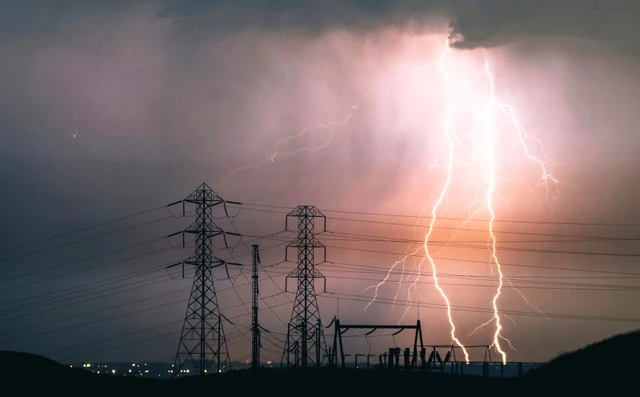 OpenAI’s Infrastructure Leap Toward 2030
The race to achieve Artificial General Intelligence (AGI) has shifted decisively; it is no longer a battle of algorithms, but a war of physical infrastructure and power capacity. OpenAI’s investments in hardware have reached astronomical scales, rivaling the national budgets of sovereign states. Central to this strategy is Project Camellia—an audacious blueprint for a compute cluster of unprecedented proportions. This initiative lays bare the fundamental tension defining today's tech landscape: the collision between the relentless drive for a technological breakthrough and the rigid constraints of the energy grid.
20 Jul 2026
 The Environmental Threshold for Artificial Intelligence
The meteoric rise of generative AI has transformed data centers into some of the most energy-intensive assets in the modern global economy. Amidst a deepening climate crisis, the unchecked expansion of computational capacity is increasingly colliding with the fundamental resource needs of the general population. Australia is pioneering a systematic regulatory approach to this challenge, implementing stringent environmental benchmarks for AI infrastructure. This strategy is designed to strike a critical balance between maintaining technological leadership and ensuring national energy security.
17 Jul 2026
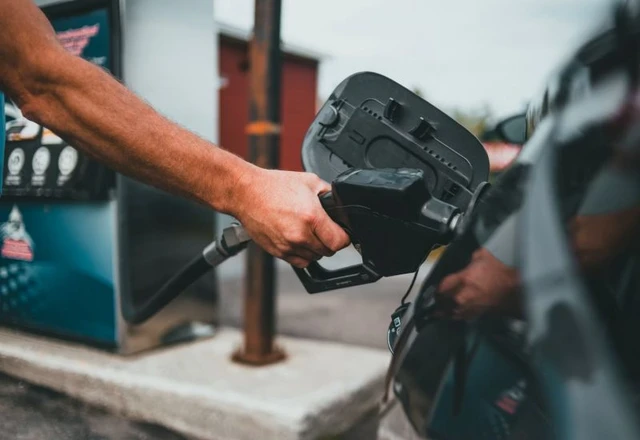 Carbon-Neutral Fuels: A Lifeline for the Internal Combustion Engine
The global automotive industry has reached a critical inflection point, caught in the tension between an aggressive push toward electrification and the sheer inertia of a massive legacy fleet of internal combustion engines. As regulatory bodies tighten emissions standards, the industry is scrambling to find viable paths toward decarbonization that do not necessitate the total abandonment of existing infrastructure. Emerging as a strategic pivot is the utilization of organic waste as a sustainable energy source—a paradigm shift that allows for a fundamental reimagining of the conventional vehicle's role within the broader ecosystem of sustainable development.
17 Jul 2026
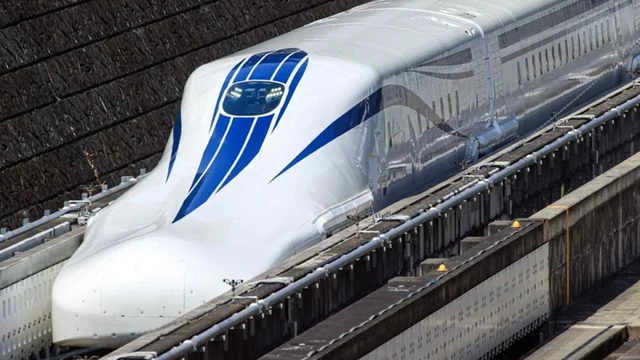 Tokyo-Nagoya Maglev Breaks Through a Decade of Stagnation
The vision of intercity travel exceeding 500 km/h continues to stand as one of the most formidable engineering frontiers of the modern era. In Japan, the Linear Chuo Shinkansen project has languished for years, stalled by a combination of political friction and mounting environmental anxieties. A recent pivot by officials in Shizuoka Prefecture has finally thawed the deadlock, clearing the path for the deployment of this ultra-high-speed transit network. Yet, persistent technical hurdles and inherent geological risks ensure that the project's actual commissioning date remains a subject of intense debate.
17 Jul 2026
 Satellite Monitoring of the El Niño Climate Cycle
Global climatic stability hinges upon a delicate equilibrium between oceanic currents and thermal regimes. The resurgence of El Niño destabilizes this balance, triggering a cascade of meteorological anomalies on a planetary scale. Advanced satellite altimetry now enables the detection of these shifts well before they escalate into full-scale environmental catastrophes; consequently, the analysis of minute fluctuations in sea levels has emerged as a critical instrument for forecasting systemic global climate risks.
15 Jul 2026
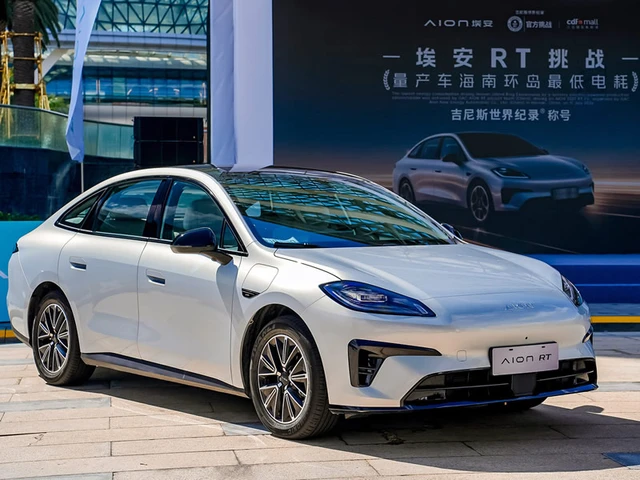 The Energy Consumption Ceiling of Modern Electric Vehicles
The trajectory of electric vehicle evolution is pivoting: the industry is moving away from a brute-force pursuit of battery capacity toward a sophisticated battle for the absolute efficiency of every single kilowatt. In a market where range has evolved from a luxury into a baseline requirement, the true benchmark of technological superiority is now defined by minimal energy consumption per unit of distance. The new record set by the GAC Aion RT proves that the frontier of feasibility in the mass-market segment extends far beyond previous assumptions. This milestone heralds a paradigm shift in engineering optimization, where efficiency itself becomes the ultimate competitive advantage.
15 Jul 2026
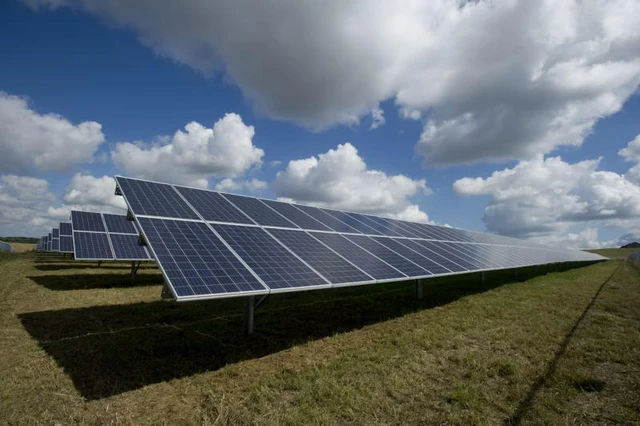 Google’s Strategic Energy Play in Arkansas
The meteoric rise of generative AI has triggered an unprecedented surge in energy demand among tech giants. In their race for computational supremacy, these firms have encountered a stark paradox: the very pace of innovation is driving up carbon footprints and straining global power grids. To mitigate these impacts, industry leaders are shifting their strategy—moving beyond the mere purchase of renewable energy certificates toward massive investments in tangible physical infrastructure. Google’s acquisition of capacity from the Steel River Energy Center serves as a landmark example of this strategic pivot.
15 Jul 2026
 A Steel Witness to the Climate Crisis
The global climate crisis has emerged as the defining existential challenge of our era, threatening the very foundations of the world as we know it. In a bid to document an accurate chronology of this collapse, humanity is engineering a vessel designed to outlast its architects. Currently under construction on the coast of Tasmania, "Earth's Black Box" serves as a monumental data archive documenting the planetary state—transforming sterile statistics into a profound historical testament for whoever inherits the earth after us.
14 Jul 2026
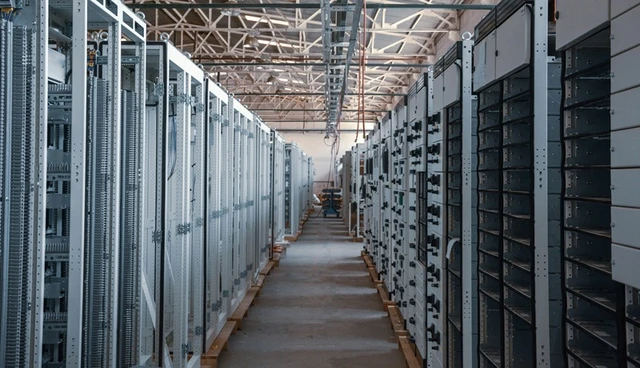 The Energy Barrier Facing Cloud Giants
The global surge in artificial intelligence has ignited an unprecedented demand for compute capacity, positioning data centers as primary drivers of energy consumption. Faced with mounting pressure on electrical grids and dwindling natural resources, urban centers are being compelled to recalibrate their strategies for digital expansion. New York has become the first U.S. state to formally restrict the development of hyperscale data centers in a bid to avert a systemic energy crisis. This move signals a pivotal shift away from an era of unchecked growth toward a model of mindful and sustainable infrastructural evolution.
