The meteoric rise of generative AI has triggered an unprecedented surge in energy demand among tech giants. In their race for computational supremacy, these firms have encountered a stark paradox: the very pace of innovation is driving up carbon footprints and straining global power grids. To mitigate these impacts, industry leaders are shifting their strategy—moving beyond the mere purchase of renewable energy certificates toward massive investments in tangible physical infrastructure. Google’s acquisition of capacity from the Steel River Energy Center serves as a landmark example of this strategic pivot.
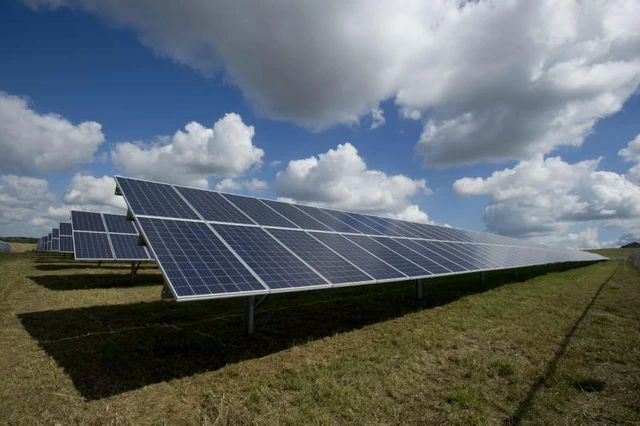
The contemporary AI arms race demands more than just cutting-edge algorithms and silicon; it requires a staggering amount of energy to sustain them. Recognizing the scale of the challenge, Google has entered into an agreement to procure the entire output of the upcoming Steel River Energy Center in Arkansas. By 2029, when the facility becomes operational, the search giant will be the sole beneficiary of its generated capacity: a formidable 1.6 GW of solar power and 2 GW of energy storage—resources sufficient to power over 300,000 homes.
The technical execution of this deal relies on Virtual Power Purchase Agreements (VPPAs). Google will not draw power directly from the solar arrays via dedicated lines; instead, it will continue to pull energy from the general grid—a complex mix of coal, nuclear, gas, and the company's own turbines. However, by securing the full capacity of the Steel River Energy Center, Google effectively balances its energy profile, "cleaning" its consumption by injecting an equivalent volume of renewable energy back into the grid.
The project's scale is impressive not only in terms of generation but also in its industrial rigor. The complex's total potential will reach 2.45 GW of solar capacity with storage capabilities of 2.9 GWh. Currently, two of the three construction phases have secured $3.5 billion in funding. Notably, there is a strategic emphasis on utilizing American-made steel structures and photovoltaic panels, underscoring a drive toward supply chain localization and the mitigation of logistical risks.
This strategy is born of necessity. Last year, Google's energy consumption surged by 37%, leading to a corresponding spike in carbon emissions. Meta and Amazon are seeing similar trends: the deployment of new data centers for training Large Language Models (LLMs) consumes so much power that traditional offset methods are no longer sufficient. Fossil fuels still play a critical role in ensuring data center uptime, forcing corporations to invest directly in their own "green" assets.
Such deals are becoming the new industry benchmark. Meta has already acquired a 200 MW solar plant in Texas, while Amazon purchased the Sunstone project in Oregon—a 1.2 GW hybrid of generation and storage. Consequently, tech giants are evolving into major players in the energy market, building autonomous ecosystems to ensure their survival in the energy-intensive era of artificial intelligence.
 Intel’s Strategic Play for Advanced Packaging Supremacy