The era of generative AI is fundamentally reshaping the hardware requirements for personal computing, elevating local processing from a luxury to a strategic necessity. Apple is responding to this shift with a comprehensive reimagining of its Mac portfolio, integrating next-generation silicon and redefining visual benchmarks. This is far more than a cyclical update; it is a systemic transformation aimed at securing leadership in the burgeoning AI-device category. Looking ahead, we can expect a pivot toward OLED panels and a profound architectural overhaul of consumer laptops.
Apple's hardware roadmap is entering a phase of aggressive revitalization. Seeking to capitalize on the surging demand for high-performance systems capable of powering resource-intensive AI agents, the company is preparing updates for nearly every device in its computing portfolio. This strategic pivot is a direct response to the global shift toward edge computing, where local processing power and memory capacity have become the primary determinants of the user experience.
The vanguard of this refresh will be the entry-level 14-inch MacBook Pro, slated to feature the M6 chip. Simultaneously, the market will see the first update to the iMac all-in-one in two years. While the aesthetic of the base laptop is expected to remain unchanged, its internal architecture will be overhauled to optimize neural network performance. Internal documentation identifies these devices by the codenames J804 for the MacBook Pro and J833/J834 for the iMac; development is reportedly complete, with a market release expected no earlier than autumn.
Particular attention is drawn to the premium segment. Apple is preparing high-end 14-inch and 16-inch MacBook Pros (projects K114 and K116), which will introduce a fundamentally new design and, most critically, OLED displays. The transition to organic light-emitting diodes will enable true blacks and significantly reduce power consumption during high-brightness operation. These machines will run macOS 27.1, which is currently undergoing intensive testing. While the immediate hardware foundation will consist of M5 Pro and M5 Max chips, Apple is already looking further ahead: the introduction of the M7 Pro and M7 Max series is planned for late 2027 to early 2028.
Parallel to this, the mainstream consumer segment is also evolving. Updates to the classic 13-inch and 15-inch MacBook Air (J912 and J915) are expected early next year. Although they will remain visually conservative for now, Apple intends to fully migrate the Air lineup to OLED panels by 2028. An even more radical move is the development of the "MacBook Neo"—a budget-friendly laptop designed to blur the line between tablet and computer. Current testing of a model featuring the A19 Pro chip and expanded memory suggests Apple's ambition to create a highly accessible yet efficient device for the mass market.
The desktop ecosystem will not be overlooked. New iterations of the Mac mini and Mac Studio are in development, promising significant performance gains driven by M5 Pro, M6, and extreme variants of the M5 Max and M5 Ultra. However, the company is facing external headwinds: a global shortage of memory chips is creating tension within production chains, which may impact final RAM and storage configurations, as well as overall release timelines.
Apple's fiscal strategy during this period is characterized by a noticeable upward shift in price positioning. Rising component costs combined with a pivot toward "ultra-premium" status have led to price increases across the Mac lineup—from the accessible MacBook Neo to flagship configurations that could reach $9,999. To mitigate this barrier to entry for users, the company is implementing a new business model: a device rental program designed to expand market reach without eroding product margins.

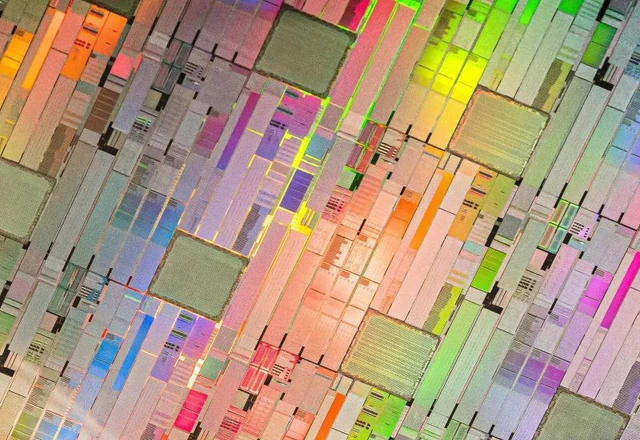 The Triumph of 3nm Chip Manufacturing