In an era of pervasive digital surveillance, the demand for truly anonymous operating systems has evolved from a niche requirement into a fundamental necessity. Tails remains the gold standard for those seeking absolute digital invisibility and hardware-level data protection. The latest release, version 7.10, is more than just a technical update; it represents a comprehensive refinement of both user experience and security paradigms. This iteration further solidifies the system's position as the definitive tool for operating in "amnesia" mode.
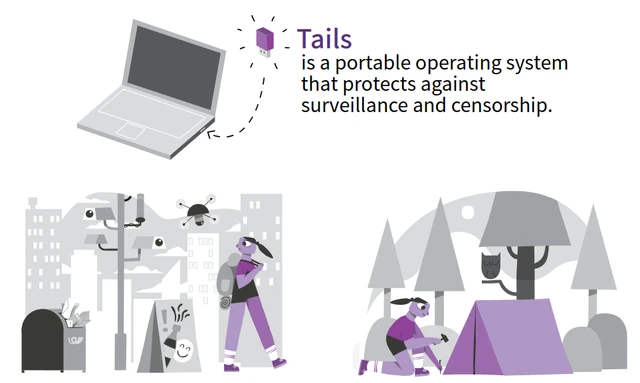
Tails is built upon the principle of total ephemerality. The system is engineered to operate exclusively from external media—such as a LiveCD or LiveUSB—ensuring that no footprint is left on the host machine's hard drive. All data is processed within volatile memory (RAM), which is wiped clean immediately upon session termination. To preserve critical information, the system employs strictly controlled encryption, allowing users to create secure persistence storages that remain inaccessible to unauthorized parties.
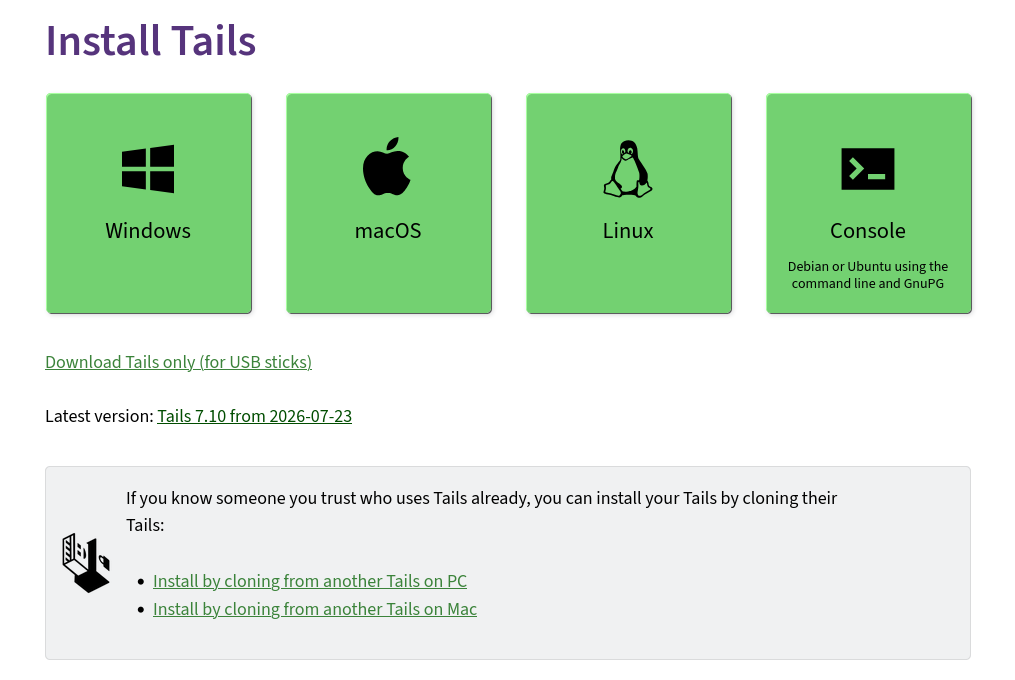
The project's lineage traces back to Incognito OS, which saw its first release in 2009. Since then, Tails has evolved into a powerhouse for network isolation. The system's fundamental tenet is the forced routing of all outgoing traffic through the Tor network. Any attempt to establish a direct, non-anonymous connection is blocked at the system firewall level, effectively eliminating the risk of accidental IP leaks.
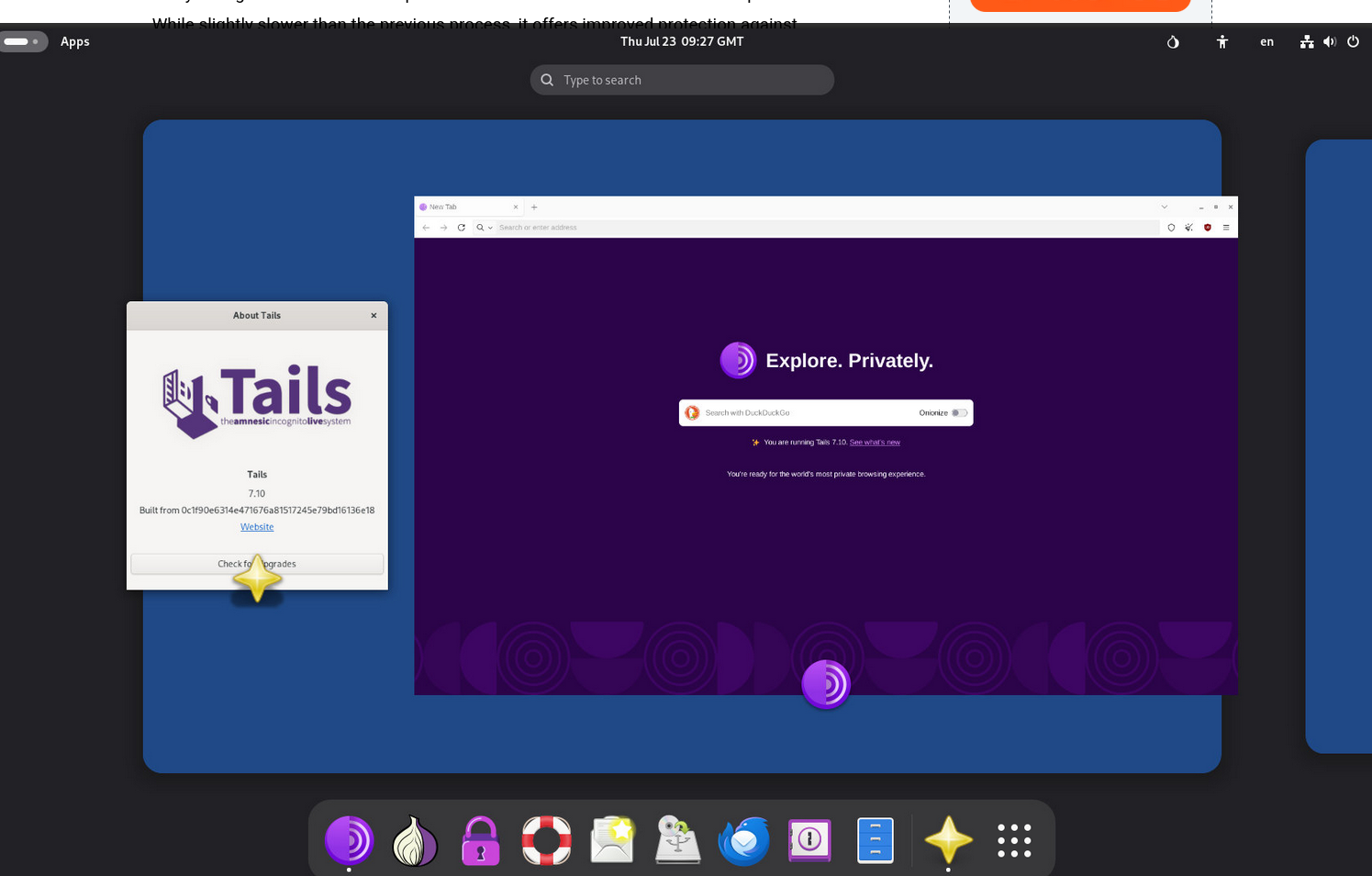
Version 7.10 leverages a modern technological stack: a Debian 13 package base and the Linux 6.12 LTS kernel ensure high stability and compatibility with contemporary hardware. The GNOME 48 desktop environment introduces a refreshed interface that, while aesthetically polished, remains strictly subordinate to security requirements. Firmware updates in this release expand support for current hardware, including newer graphics adapters and Wi-Fi modules, making the system accessible across a broader spectrum of devices.
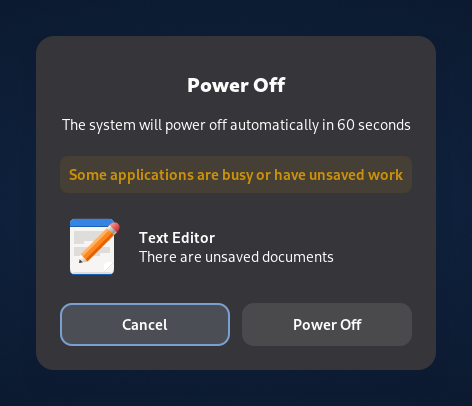
The developers have paid particular attention to the nuances of user experience. One of the most notable changes is the revamped shutdown procedure; Tails now utilizes the standard GNOME power-off mechanism. While this process takes slightly longer, it significantly mitigates the risk of data loss by providing confirmation dialogs to save open documents before exiting. Even in the absence of user input, the system guarantees a full shutdown after 60 seconds, ensuring the necessary memory sanitization is performed.
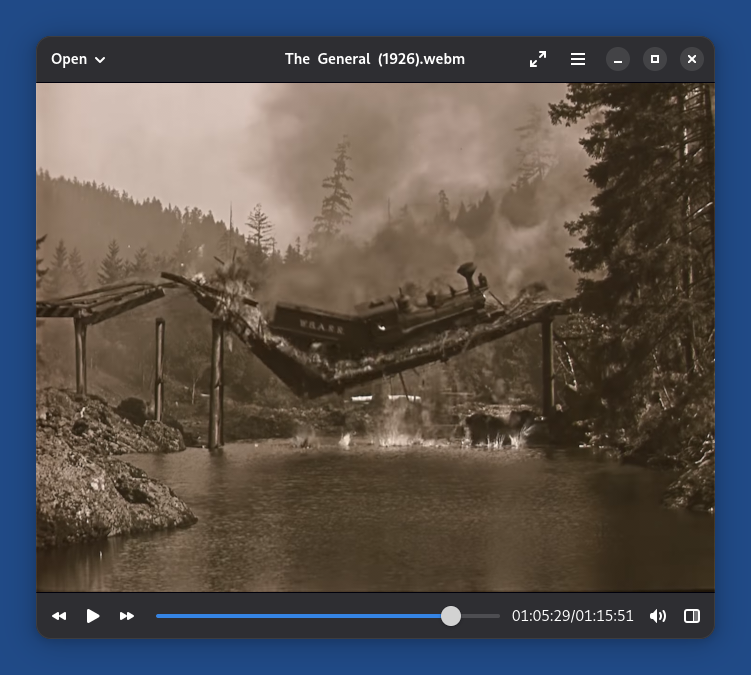
In terms of multimedia, the default GNOME Videos player has been replaced by Celluloid. This shift was driven not only by modern functionality but by stringent security requirements: Celluloid is completely isolated from the network, preventing potential data leaks via media files. For streaming video or IPTV, VLC remains available as an optional component. It is worth noting that Celluloid may be incompatible with hardware released in 2011 or earlier; in such instances, VLC remains the only reliable solution.
The system's technical core has also seen an update to its primary gateway to the web: the Tor Browser has been updated to version 15.0.19. This ensures up-to-date protection against modern de-anonymization vectors and improves compatibility with current web standards, all while maintaining a rigorous privacy posture.
 The Triumph of 3nm Chip Manufacturing