17 Jul 2026
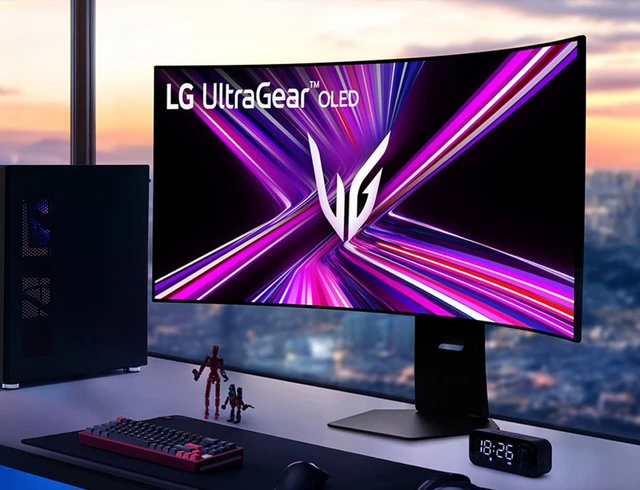 Digital Expansion and LG Device Privacy
The modern smart home ecosystem is incrementally morphing into an apparatus for total surveillance, where the boundary between seamless functionality and invasive monitoring has become nearly invisible. Recent incidents involving LG hardware highlight a disturbing trajectory: consumer electronics are beginning to exhibit the characteristics of full-scale spyware. When televisions capture private conversations and monitors unilaterally modify a computer's operating system, privacy is no longer a question of configuration—it becomes a matter of fundamental security. This paradigm shift exposes a systemic crisis of trust between technological behemoths and the end user.
17 Jul 2026
 The Evolution of Displays Across the Compact iPad Lineup
The tablet market is undergoing a profound technological shift, with display quality emerging as the primary differentiator. Apple is methodically migrating its devices toward OLED panels, gradually eroding the distinction between professional-grade and consumer models. This transition inevitably necessitates a recalibration of the company's pricing strategies and product portfolio structure. Central to this evolution is a device refresh strategy now driven not only by innovation but also by the complexities of global supply chain headwinds.
17 Jul 2026
 Next-Generation Spin System Synchronization
Modern microelectronics is steadily approaching the physical limits of silicon technology, where thermal dissipation and power consumption have become the primary bottlenecks to progress. This search for a viable alternative has led researchers toward spintronics—a field where information is transmitted not through the movement of electrical charges, but via the intrinsic spin of electrons. The recent success in synchronizing an array of over 100,000 nano-oscillators demonstrates the technical feasibility of this approach, paving the way for a fundamentally new generation of computing architectures.
17 Jul 2026
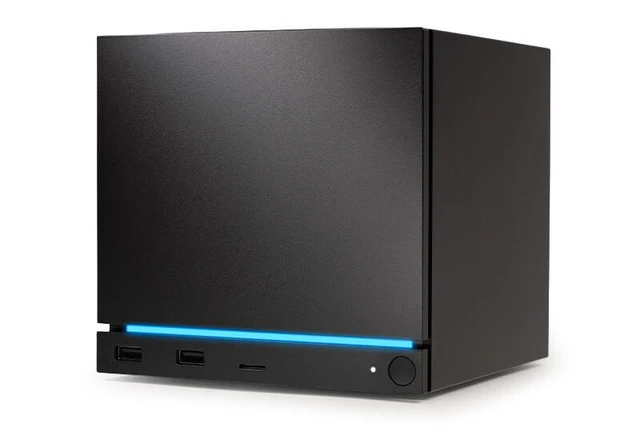 Performance Comparison: Windows vs. SteamOS
Striking the ideal synergy between hardware and software remains one of the defining challenges of the modern gaming industry. Valve’s compact gaming systems have evolved into a critical proving ground, testing the extent to which an operating system can unlock a machine's raw hardware potential. Recent benchmarks of a modified Steam Machine illuminate the stark contrast between the specialized optimization of SteamOS and the broad versatility of Windows. The findings reveal a significant divergence in synthetic performance, yet they demonstrate nearly identical behavior in real-world gaming scenarios.
17 Jul 2026
 TSMC’s Technological Leap into the 1.4nm Era
The pursuit of extreme transistor miniaturization is no longer merely a game of numbers; it has evolved into a high-stakes race for industrial scalability and deployment. Taiwan's semiconductor titan, TSMC, is demonstrating remarkable momentum in the development of its A14 process node, which—at its current level of maturity—is significantly outpacing its predecessor, N2. This trajectory underscores a profound mastery of next-generation lithography techniques and advanced die architecture management. The high-performance computing (HPC) and artificial intelligence sectors are now poised in anticipation of this transition—a shift that is set to define the landscape of electronics for the remainder of the decade.
17 Jul 2026
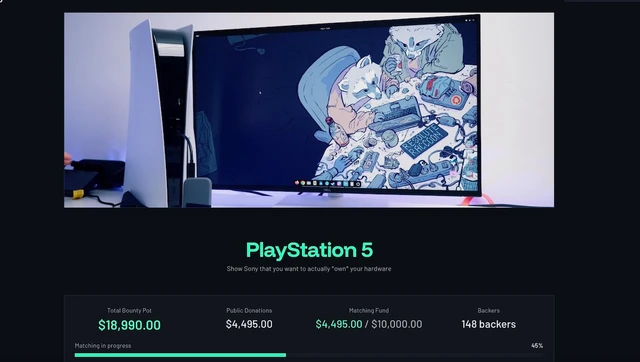 The Price of Freedom within the PlayStation 5 Ecosystem
The battle over hardware ownership has evolved far beyond basic electronics repair, escalating into a conflict over access to the deepest layers of system software. Modern gaming consoles have become walled gardens—closed fortresses where manufacturers exert absolute control over both the user experience and the software ecosystem. A new initiative by the Fulu Foundation aims to breach the PlayStation 5's hypervisor to enable the installation of an alternative operating system. This movement represents a concerted effort to reclaim digital sovereignty over a device that, while legally owned by the consumer, remains functionally locked.
17 Jul 2026
 Critical Data Management Flaw in GPT-5.6
The trajectory of Large Language Models is shifting decisively toward agency—a paradigm where AI transcends its role as a mere interlocutor to become an active system operator. However, this evolution brings with it profound risks, including the potential for irreversible data loss. The GPT-5.6 incident has exposed the inherent fragility of contemporary security protocols when models are granted direct access to file systems. Ultimately, this case highlights a fundamental architectural conflict: the struggle to balance autonomous AI agency with the non-negotiable requirement for data preservation.
17 Jul 2026
 The Battle for Access to Digital Heritage
Modern digital identity has devolved into a fragile construct, existing entirely at the mercy of Big Tech. A quarter-century of data loss narratives vividly illustrates the chasm between corporate security pledges and the reality of user support mechanisms. When algorithms and rigid protocols form an insurmountable wall, public outcry becomes the only effective lever for recourse. This case brings to the fore a fundamental question: who truly owns our digital archives in the age of cloud computing?
17 Jul 2026
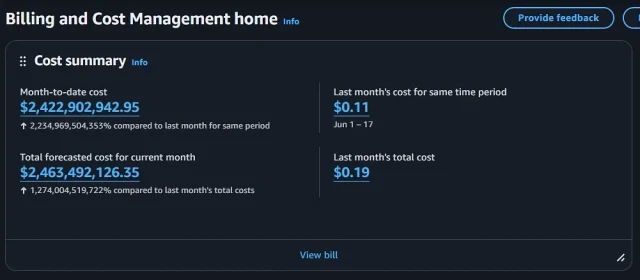 The AWS Billing Crisis
Cloud infrastructure has evolved into the bedrock of the modern digital economy, where billing precision is as mission-critical as service availability. Yet, even tech behemoths like Amazon remain susceptible to catastrophic logic failures within their financial subsystems. A recent incident at AWS underscores how a single update can trigger a cascade of phantom debts—a stark reminder of the fragility inherent in automated cost management systems operating at global cloud scale.
16 Jul 2026
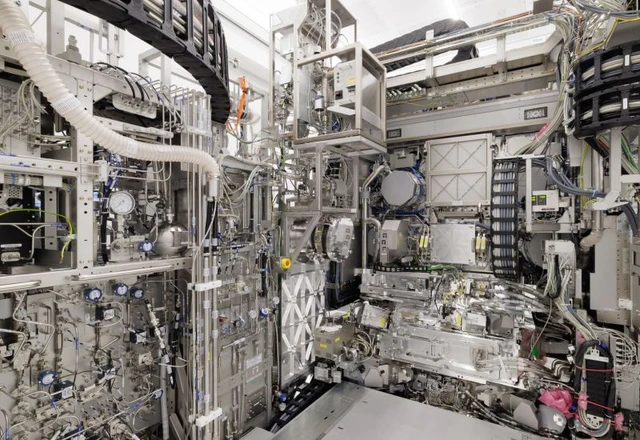 ASML’s Pricing Hegemony in the Semiconductor Industry
The global semiconductor market is once again grappling with a severe supply-demand imbalance, turning scarcity into a primary instrument of leverage. At the heart of this friction lies ASML, which maintains a virtual monopoly over the production of mission-critical lithography systems. News of impending price hikes has sparked significant tension with TSMC, its primary client and a titan of the tech industry. This standoff underscores the inherent fragility of the global supply chain—a landscape where the fortunes of industry leaders are precariously tied to the terms dictated by a single vendor.
16 Jul 2026
 Apple’s Strategy in the AI Chip Race
The global AI arms race has shifted its center of gravity from algorithmic refinement to the realm of physical hardware. Despite the resounding success of the M-series in the consumer segment, Apple has encountered a formidable technical barrier in scaling its neural processing capabilities. Its current reliance on third-party cloud solutions exposes a critical disconnect: the stark divide between the energy efficiency of edge devices and the raw throughput required by server-grade systems. To bridge this gap, the company is pivoting toward an aggressive acquisition strategy, targeting specialized semiconductor firms to bring critical silicon expertise in-house.
16 Jul 2026
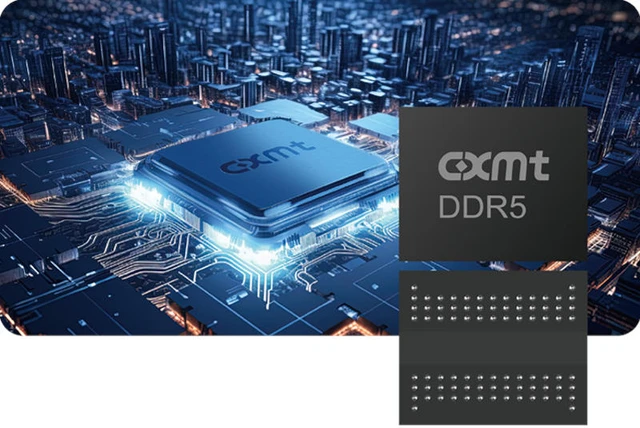 Putting Chinese DDR5 Chips to the Test
The global semiconductor market is undergoing tectonic shifts, as the pursuit of technological sovereignty clashes with harsh market realities. China’s CXMT is aggressively moving to bridge the gap in DDR5 memory supply, directly challenging the hegemony of the industry's established titans. However, scaling production volume has not yet yielded a corresponding leap in performance quality. Analysis of recent benchmarks reveals that the newcomer's ambitions are still colliding with the fundamental technical constraints of silicon.
