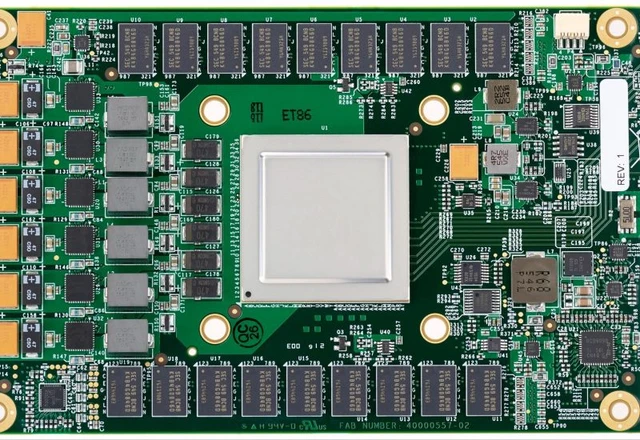
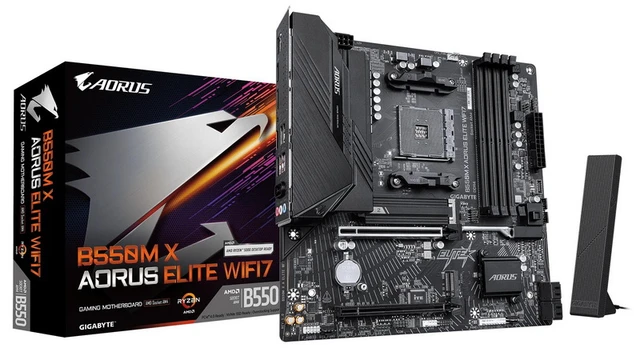
The contemporary semiconductor industry has hit a critical wall: the widening performance gap between processing cores and system memory. In an era defined by the aggressive expansion of artificial intelligence, legacy data transmission methods have become systemic bottlenecks, throttling overall architectural progress. Intel, currently navigating a profound strategic transformation, is exploring a radical path to resolve this crisis through the physical convergence of components. The company's potential reentry into the memory market could signal a fundamental paradigm shift—a transition from standardized modules toward sophisticated hybrid architectures.
For decades, the industry has viewed random-access memory as little more than a commodity market—a domain dominated by standardization and price wars rather than genuine technological breakthroughs. This perspective is precisely why Intel remained on the sidelines of mass memory production for so long. However, the landscape has shifted: data bandwidth requirements have escalated to such an extent that traditional architectures, relying on discrete RAM modules seated on a motherboard, can no longer keep pace with the demands of modern computing.
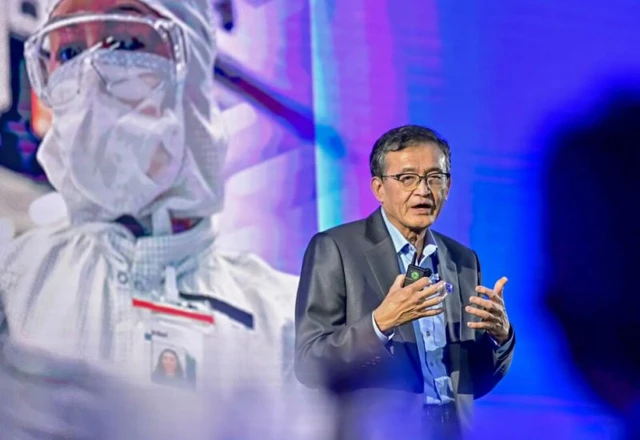
Lip-Bu Tan, a pivotal figure in Intel's leadership, has signaled that the company is ready to pivot its strategy. This isn’t merely about releasing new chips; it is a conceptual shift in how those chips are deployed. By mounting memory directly atop the central processing unit, Intel aims to radically shorten the physical distance data must travel from storage cell to compute core, effectively neutralizing one of the most persistent bottlenecks in modern hardware: access latency.
To realize this vision, Intel is leveraging its patent portfolio, specifically its XBM technology. Unlike the widely adopted HBM (High Bandwidth Memory), which requires a costly silicon interposer to bridge the memory stack and the processor, XBM envisions a vertical stack that bypasses this intermediate structure. This approach potentially streamlines manufacturing and reduces integration costs, transforming 3D stacking into a more accessible tool for high-performance design.
The company's strategic intent is further evidenced by recent executive maneuvers: the recruitment of Sock Hee Lee, formerly of SK hynix, underscores Intel's drive to accumulate deep domain expertise in high-performance memory. This move appears to be a calculated attempt to find the "silver bullet" that will enable a qualitative leap in CPU-RAM interaction efficiency, breaking through the stagnation that has plagued the memory market in recent years.
Yet, Intel’s trajectory in this space is haunted by a dramatic history. From the late 1960s through the end of the eighties, the company was a dominant player in the memory chip market before suffering a crushing defeat at the hands of Japanese competitors. Subsequent attempts to reclaim ground—via projects like RDRAM and Optane, as well as ventures into NAND flash—failed to achieve commercial triumph and were eventually shuttered due to poor profitability. Even the divestiture of its SSD business to SK hynix was fraught with geopolitical complexities, given the location of its fabrication plants in China.
In today's climate, Intel is navigating significant financial turbulence, making the launch of massive, proprietary memory fabs from scratch an impossibility. The most plausible scenario is a model of deep strategic partnership. History has already proven that Intel is capable of pragmatic alliances even with direct rivals—most notably its collaboration with AMD on the Kaby Lake-G processors. Consequently, Intel's return to memory will be less about industrial scale and more about engineering ingenuity: creating unique hybrid solutions where memory becomes an intrinsic part of the processor die itself.
 The Price of Acceleration: CXMT’s Rapid Push into Memory