1 Aug 2026
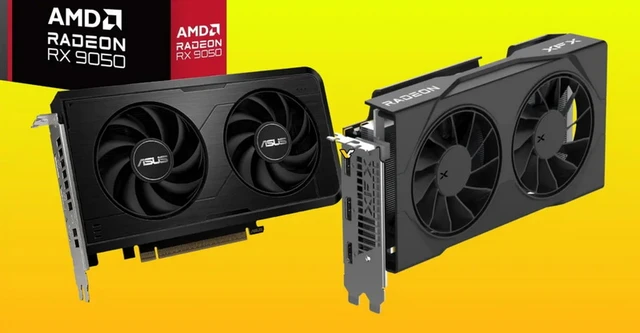 Capabilities of the New Radeon RX 9050 Iterations
The entry-level GPU market is undergoing a fundamental shift, where efficiency and power consumption are now taking precedence over raw horsepower. The debut of the RDNA 4-powered Radeon RX 9050 marks a new milestone in democratizing cutting-edge graphics technology for users across the Asia-Pacific region and Latin America. Industry leaders Asus and XFX have unveiled their own interpretations of the silicon, offering diverging approaches to thermal management and clock speeds. These implementations demonstrate how even baseline models can achieve substantial performance gains through strategic factory overclocking.
1 Aug 2026
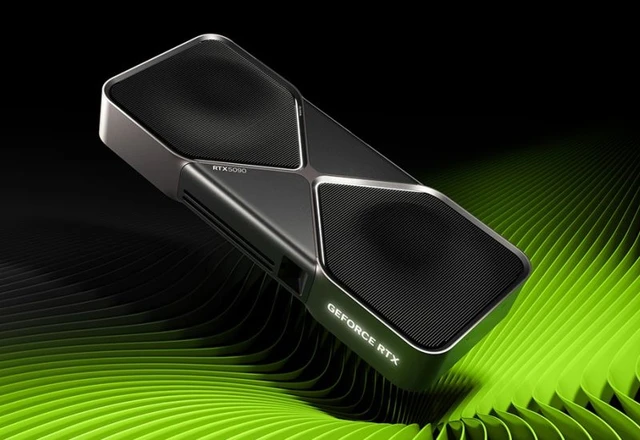 The cost of computational power continues its upward trajectory.
The global hardware market is undergoing a fundamental transformation, as GPUs evolve far beyond their origins as mere gaming tools. Driven by the meteoric rise of generative AI, these processors have become strategic assets that now dictate the velocity of the digital economy. Consistent price hikes from industry leaders signal the emergence of a new market paradigm: hardware valuation is no longer driven primarily by consumer demand, but rather by the insatiable requirements of hyperscale data centers.
1 Aug 2026
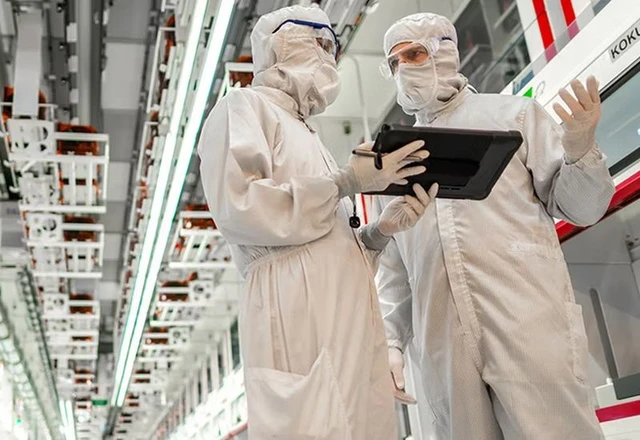 The Financial Surge of Global Memory Suppliers
The era of generative artificial intelligence has catalyzed one of the most rapid transformations in the hardware industry seen in decades. While public attention remains fixed on algorithms and models, the true beneficiaries—memory manufacturers—are amassing unprecedented levels of capital. The current market dynamics have turned semiconductor supply into a hyper-profitable enterprise characterized by an explosive surge in liquidity. This financial windfall is laying the groundwork for a massive expansion of production capacity that will shape the industry for years to come.
1 Aug 2026
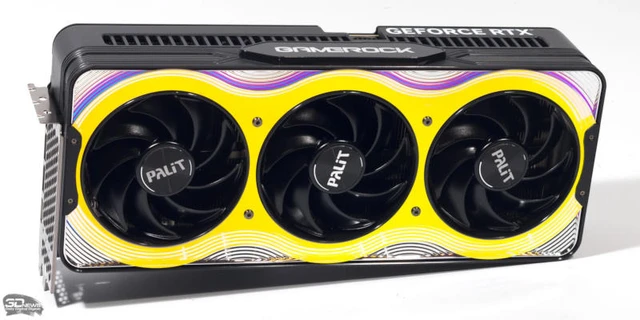 The Economics of Graphics Accelerators Amidst Market Shortages
The global semiconductor memory crisis is steadily reshaping the landscape of the consumer graphics card market. An analysis of ten major global markets reveals an illusory stability: current price levels are being sustained solely by residual stockpiles of legacy inventory. While flagship GPUs are increasingly pivoting toward high-cost AI instrumentation, the mid-range segment has become the epicenter of fierce pricing competition. The industry now stands on the precipice of a significant market correction that could radically alter the accessibility of graphics hardware in the coming months.
1 Aug 2026
 Optimizing Power Consumption for Data Write Operations
The meteoric rise of generative AI has presented the industry with a critical bottleneck: an unsustainable surge in the power demands of computing infrastructure. A primary pain point remains data write operations in memory, where legacy methods incur prohibitive energy overheads. Researchers at the University of Edinburgh have proposed a fundamental reimagining of this process, swapping "brute-force" approaches for precision, mathematically optimized control. This paradigm shift promises to elevate memory power efficiency to an entirely new echelon.
1 Aug 2026
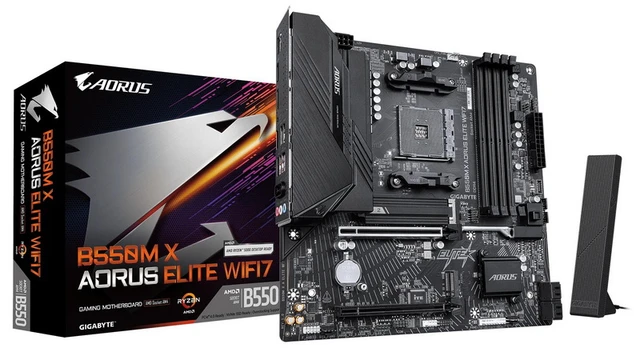 The Technological Renaissance of the AM4 Socket
The Socket AM4 era has long been regarded as the gold standard for longevity and stability within the PC industry. Despite the market's migration toward DDR5, millions of users continue to rely on the proven reliability of Ryzen 5000-based systems. In an unexpected yet pragmatic move, Gigabyte is reigniting interest in this platform by introducing cutting-edge connectivity standards. The integration of Wi-Fi 7 into B550 boards effectively transforms a "legacy" classic into a contemporary tool capable of meeting today's demanding workloads.
31 Jul 2026
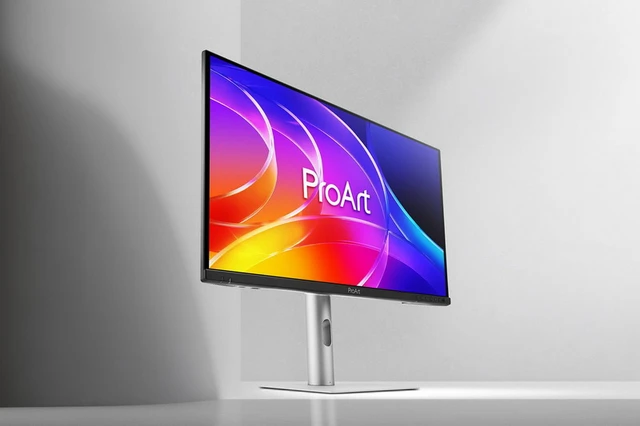 Precision and Performance in the ProArt OLED Series
Today’s visual content landscape demands more from display solutions than just flawless color reproduction; high-motion fluidity has become equally critical. Professional monitors have evolved beyond mere static instruments for retouching, transforming into comprehensive hubs for managing sophisticated media workflows. The latest additions to the Asus ProArt OLED series seek to bridge the gap between reference-grade precision and the seamless motion essential for contemporary video production. With the PA279CDV and PA329CDV, Asus is directly addressing the industry's demand for more accessible, high-performance QD-OLED panels.
31 Jul 2026
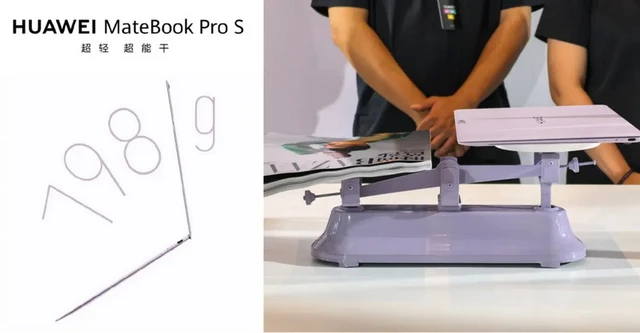 Uncompromising Lightness: The MateBook Pro S
The PC industry is witnessing a fundamental paradigm shift toward energy-efficient Arm-based architectures, driven by the pursuit of a perfect equilibrium between raw performance and mobility. Huawei is now escalating this competition with a device designed to directly challenge the dominance of Apple’s Air series. By pairing an aggressive reduction in weight with its own proprietary silicon, Huawei is heralding a new chapter in the evolution of ultra-portable systems. The MateBook Pro S is more than just a product launch; it is a manifesto of technological independence and efficiency.
31 Jul 2026
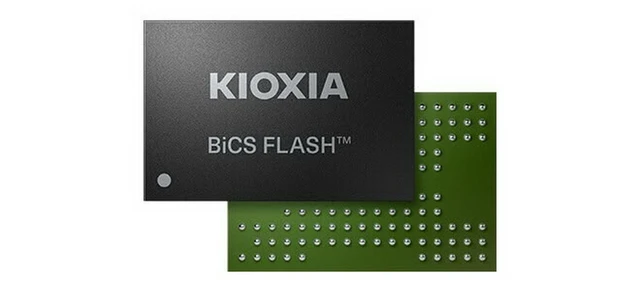 Kioxia’s Next-Generation Flash Memory: A Quantum Leap in Speed
The semiconductor industry is currently undergoing a period of profound transformation, catalyzed by the meteoric rise of generative AI. As the demand for ultra-fast data access becomes a critical driver for the evolution of mobile devices and personal computers, Kioxia has unveiled its latest innovation: the ninth generation of BiCS FLASH memory. The company's technological stack is engineered to strike an optimal balance between storage density and interface throughput.
31 Jul 2026
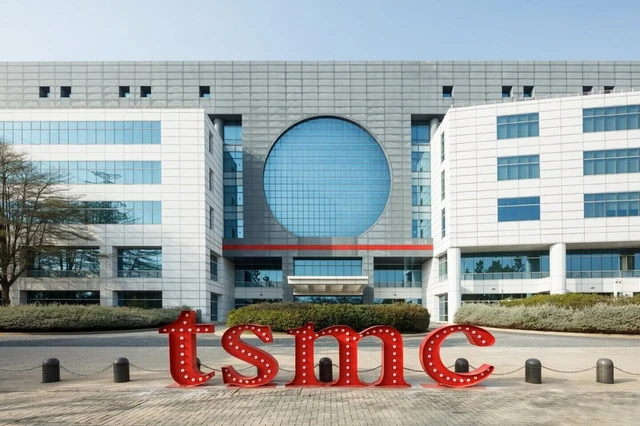 TSMC’s Technological Leap to 1.4 Nanometers
The modern semiconductor industry has evolved into a global race for nanometers, where every incremental gain defines the architecture of future computing systems. In this high-stakes competition, Taiwan's TSMC is seeking to cement its dominance by pivoting toward the A14 process node. This shift represents more than just the physical shrinking of transistors; it signals a radical transformation in industrial construction itself. The integration of artificial intelligence and virtual reality into fab deployment is becoming the new benchmark for efficiency, enabling the industry to bypass traditional temporal constraints.
31 Jul 2026
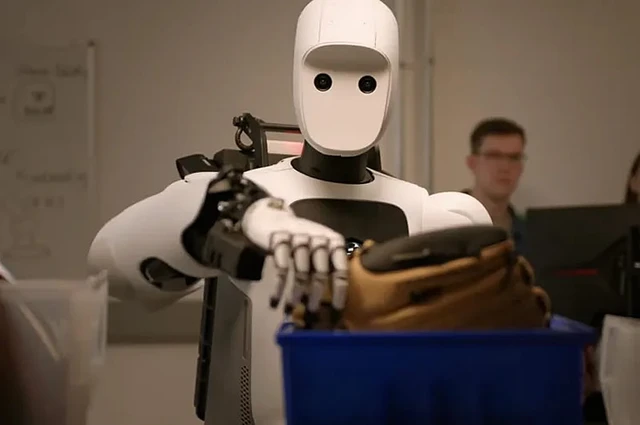 Motion Synchronization in Gemini Robotics 2
For years, the quest to build a truly versatile robotic assistant has been hindered by a persistent disconnect: the chasm between an AI's cognitive prowess and the physical dexterity of its mechanical hardware. While contemporary systems often exhibit a sophisticated grasp of high-level instructions, they frequently falter when tasked with executing the intricate spatial coordination required for real-world movement. A recent breakthrough from Google DeepMind aims to bridge this gap by shifting the paradigm of control—moving away from the management of isolated manipulators toward a model of integrated, holistic body orchestration. The objective is the achievement of true proprioception, allowing artificial intelligence to emulate the fluid and intuitive motor skills inherent to human movement.
31 Jul 2026
 The Quantum Standard for Data Integrity
Ever since the first high-profile claims of quantum supremacy, the industry has been grappling with a fundamental epistemological paradox: if a classical computer lacks the capacity to simulate a computation, how can we verify the accuracy of the output? This ambiguity has rendered milestones in quantum computing a sort of "Schrödinger’s cat"—success exists and does not exist simultaneously, suspended until the moment of verification. The focus is now shifting from the mere feasibility of these computations toward the mechanisms of establishing trust in their results. Emerging research proposes a systematic framework for validating data integrity at a point where classical verification methods have reached their absolute limit.
