The PC industry is witnessing a fundamental paradigm shift toward energy-efficient Arm-based architectures, driven by the pursuit of a perfect equilibrium between raw performance and mobility. Huawei is now escalating this competition with a device designed to directly challenge the dominance of Apple’s Air series. By pairing an aggressive reduction in weight with its own proprietary silicon, Huawei is heralding a new chapter in the evolution of ultra-portable systems. The MateBook Pro S is more than just a product launch; it is a manifesto of technological independence and efficiency.
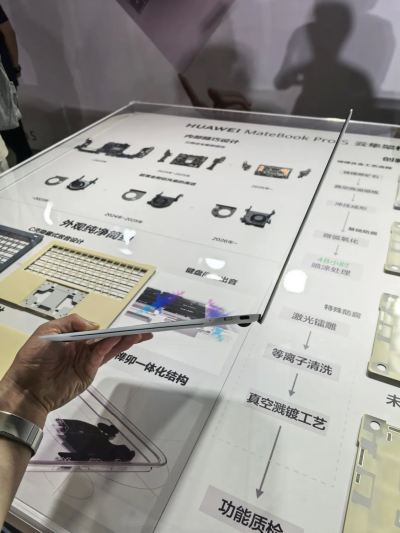
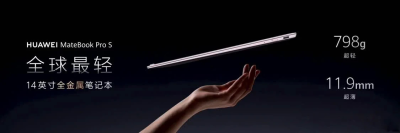
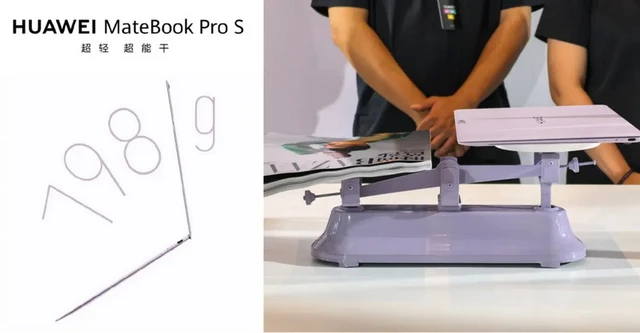
The contemporary laptop market has long been defined by a relentless pursuit of weight reduction and slim profiles, but the upcoming MateBook Pro S elevates this competition to the level of radical minimalism. Featuring a 14-inch display housed in a premium metallic chassis, the device boasts a staggering weight of just 798 grams. For context, it is nearly 430 grams lighter than the 13-inch MacBook Air, positioning it as one of the lightest metal laptops in its class. With a thickness of just 11.9 mm, the machine underscores an engineering commitment to extreme compactness without compromising aesthetic appeal.
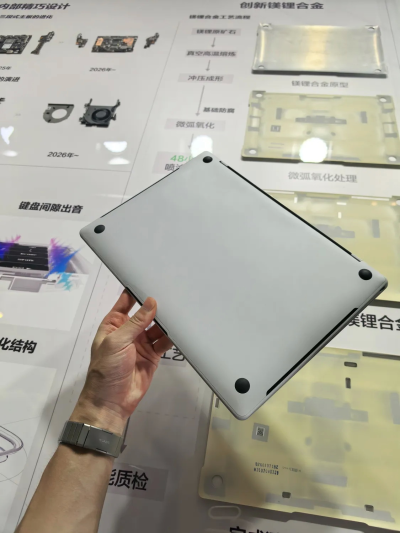
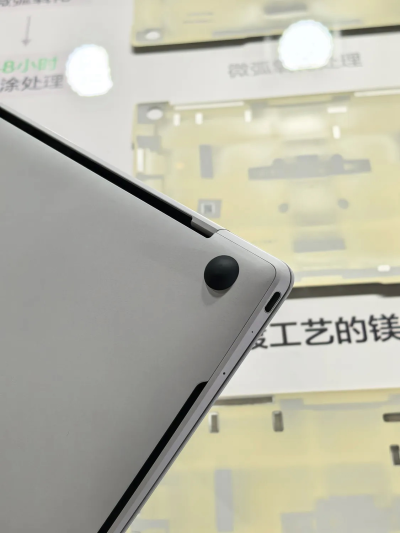
The device's design language remains faithful to the MateBook lineage: a sleek black keyboard, an expansive touchpad, and precisely engineered hinge geometry. Beyond physical dimensions, Huawei is prioritizing functional ergonomics; the inclusion of USB-C ports on both sides of the chassis eliminates the frustration of hunting for the correct side when plugging in cables. Privacy is also paramount, with the webcam featuring a physical security switch to completely isolate the image capture module.
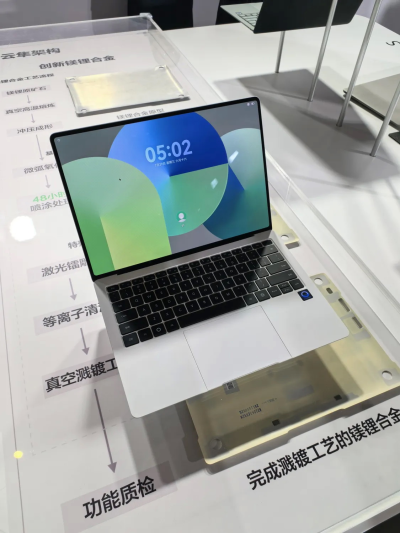
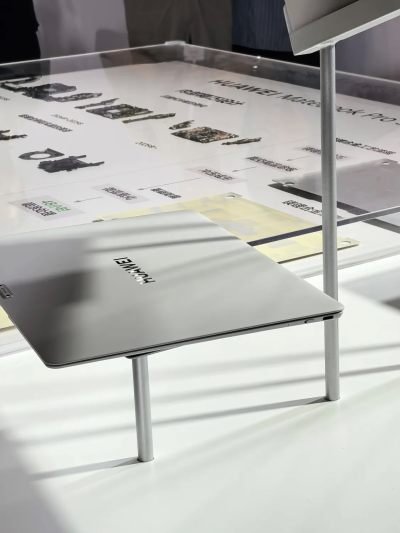
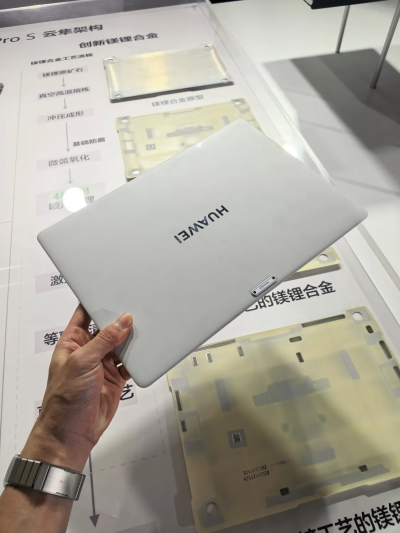
The most provocative design element is the introduction of a triple-camera array. While one lens occupies the traditional position above the screen, two additional cameras are situated on the outer lid. Although official specifications for these modules remain shrouded in secrecy, such a configuration strongly suggests deep integration of AI and computer vision tools, potentially used for environmental analysis or pioneering new user interaction scenarios.
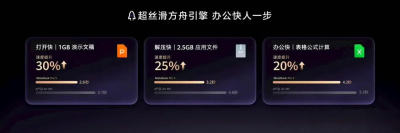
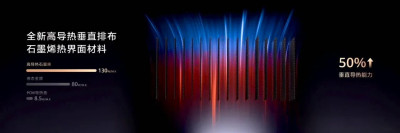
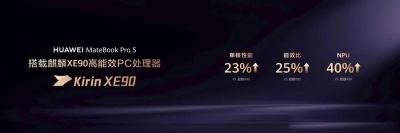
At the core of the MateBook Pro S lies the Kirin XE90 processor, developed by HiSilicon. The shift to Arm architecture enables superior power efficiency—a critical requirement for such a slim chassis with limited thermal headroom. This ten-core chip, clocking up to 2.45 GHz, works in tight synergy with HarmonyOS, ensuring fluid ecosystem integration and kernel-level resource optimization.
In terms of performance, the device offers versatile configurations: users can choose between 16GB or 32GB of RAM, with SSD capacities ranging from 512GB to 1TB. While the specifics of the graphics subsystem remain undisclosed, the overall architecture suggests a well-rounded mobile workstation tailored for professional productivity and creative content creation.
The official unveiling is scheduled for August 5 in China, where full technical specifications and availability dates will be revealed. In the fiercely competitive ultrabook market, the MateBook Pro S could set a significant benchmark, proving that genuine performance is achievable even in a device weighing less than a kilogram.
 Apple’s Strategic Foray into the Gaming Controller Market