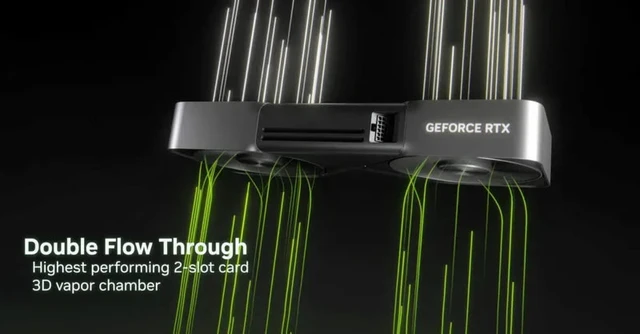
The global hardware market is undergoing a fundamental transformation, as GPUs evolve far beyond their origins as mere gaming tools. Driven by the meteoric rise of generative AI, these processors have become strategic assets that now dictate the velocity of the digital economy. Consistent price hikes from industry leaders signal the emergence of a new market paradigm: hardware valuation is no longer driven primarily by consumer demand, but rather by the insatiable requirements of hyperscale data centers.
The graphics accelerator market is grappling with yet another wave of pricing volatility. According to Eurogamer, citing Economic Daily, Nvidia has increased the cost of its GPUs by an additional 20–30%. This trend is becoming structural: this marks the third such adjustment within the current year, effectively transforming price hikes into a regular business process.
The catalyst for this aggressive pricing strategy is the global AI gold rush. In the modern technological hierarchy, GPUs have evolved into the bedrock of computational infrastructure. Corporate demand for chips capable of training Large Language Models (LLMs) is so overwhelming that the consumer segment has been inevitably sidelined. As TSMC's production capacities and semiconductor packaging resources are split between gaming cards and server accelerators, the pricing of the latter now dictates the overall market equilibrium.
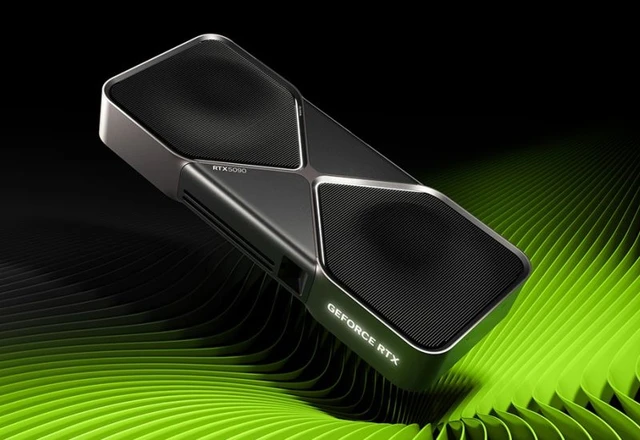
While the price surge in May primarily affected flagship solutions—such as the GeForce RTX 5090—the current phase encompasses a significantly broader range of models. This indicates that Nvidia is seeking to maximize margins across its entire product portfolio, leveraging both scarcity and the high demand for its architecture as a whole.
The issue extends beyond a single vendor. Simultaneously, Samsung Electronics is planning to raise RAM prices by nearly 20%. This creates a "domino effect," where the cost of assembling a modern high-performance PC is rising across all key components simultaneously. The situation is further exacerbated by retailer behavior, particularly in the Chinese market, where vendors have begun intentionally withholding stock. This speculative stockpiling ahead of anticipated price hikes only intensifies artificial scarcity and demoralizes the end consumer.
The ripple effects are also being felt across adjacent platforms. Gaming consoles and even flagship smartphones are becoming less accessible as component costs rise in proportion to the demand for AI computing. Consequently, the entertainment industry is effectively subsidizing the technological leap in machine learning, transforming high-performance hardware from a mass-market product into a costly strategic asset.
 HDMI 2.2: The New Standard for Data Transmission