5 Sept 2026
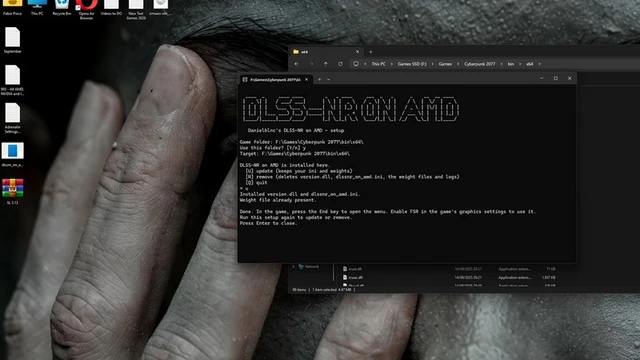 Porting DLSS 5 to the Radeon RX 9000
The rivalry between Nvidia and AMD in the GPU market has long since evolved beyond raw performance, shifting the battlefield toward software ecosystems and AI-driven algorithms. Neural rendering has emerged as the primary differentiator, drawing a sharp line between proprietary technologies and open standards. Yet, enthusiasts consistently demonstrate that technical barriers are surmountable, provided common ground can be found at the hardware level. The attempt to port DLSS 5 to Radeon RX 9000 GPUs serves as a case study in this process, exposing the stark divide between theoretical compatibility and real-world efficiency.
5 Sept 2026
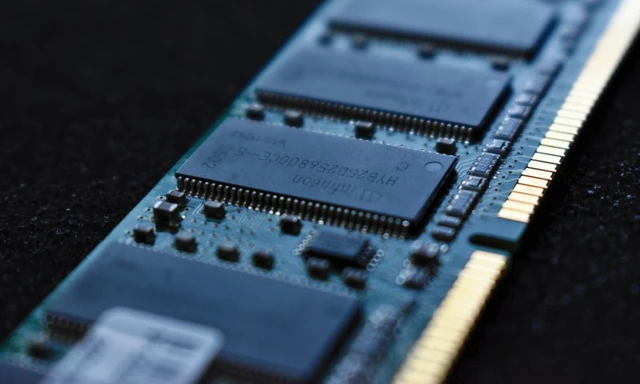 US Investment Leverage in Microelectronics
The global semiconductor landscape is undergoing a rapid pivot, shifting away from open trade toward a regime of aggressive strategic protectionism. The U.S. Department of Commerce is reimagining customs tariffs, evolving them from mere fiscal instruments into levers designed to compel the reshoring of manufacturing capacities. By indexing tariff rates to the scale of local investment, a new paradigm is emerging—one where market access is effectively purchased through the construction of domestic fabrication plants. This strategy forces the industry's titans into a stark trade-off: maintain operational profitability or secure a physical footprint on American soil.
4 Sept 2026
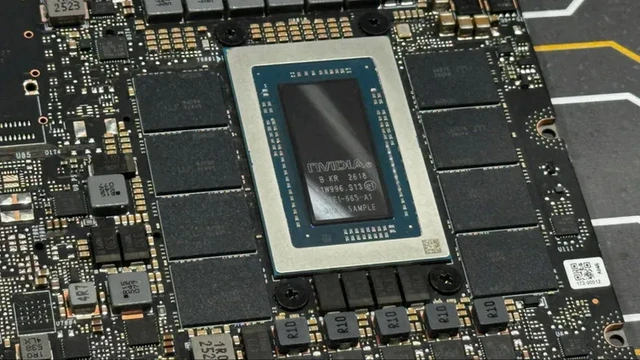 Nvidia N1X and the New Era of Arm PCs
The global mobile computing landscape is undergoing a fundamental paradigm shift toward AI-optimized hardware. The debut of Nvidia’s RTX Spark platform and the N1X chip signals the end of an era for traditional architectures within the high-performance laptop segment. By fusing cutting-edge GPU cores with energy-efficient processing units, Nvidia is establishing a new benchmark for next-generation mobile workstations. Local execution of complex neural network models is no longer a distant prospect—it is now a tangible reality for portable devices.
4 Sept 2026
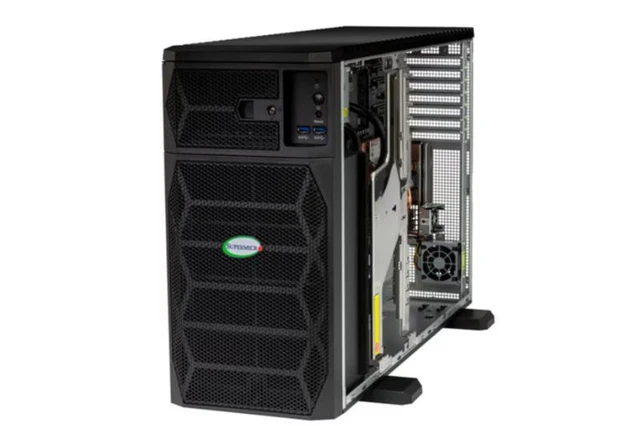 Blackwell Performance in a Desktop Form Factor
The era of cloud dependency is gradually giving way to a pursuit of local data sovereignty. Today’s research institutions and enterprises demand the capacity to deploy trillion-parameter models without the latency or security vulnerabilities associated with data leaks. Supermicro’s latest workstation, powered by the Nvidia GB300 Grace Blackwell Ultra chip, stands as the physical manifestation of this shift. It is no longer merely a computer; it is, effectively, a data center condensed into a desktop form factor, engineered specifically for the age of generative AI.
4 Sept 2026
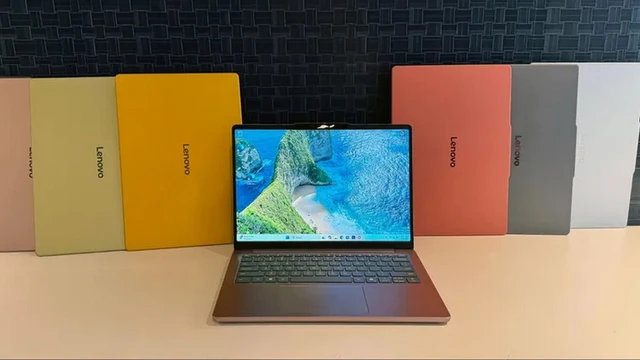 Lenovo IdeaPad Vibe and the Rise of the AI PC
The portable computing market is undergoing a fundamental transformation, centered on the integration of Neural Processing Units (NPUs). Lenovo is making a bold move in this direction with the introduction of the IdeaPad Vibe—a device engineered to seize the lead in the affordable yet high-performance workstation segment. Positioned as a challenger to the MacBook Neo and Dell XPS 13, the company is betting on configuration flexibility and a pragmatic array of I/O ports. This is more than just another product launch; it is a strategic effort to democratize AI computing for the mainstream user.
4 Sept 2026
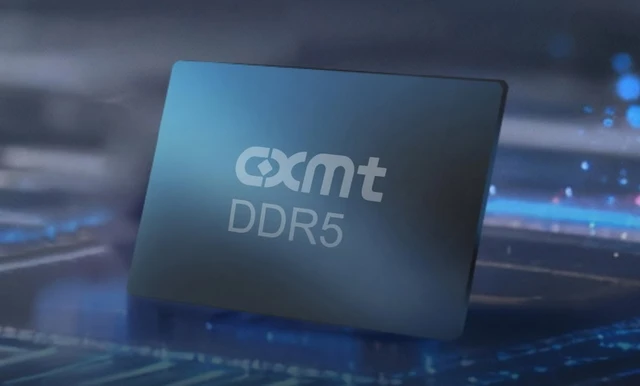 CXMT’s Global Expansion in the Memory Market
For decades, the global DRAM market has remained a fortress guarded by a triumvirate of tech giants. Today, however, this oligopoly faces a formidable challenge from the Chinese contender, CXMT. Despite stringent restrictions on access to cutting-edge fabrication equipment, the company is demonstrating aggressive growth and rapidly eroding the incumbents' market share. This shift may well be the harbinger of a systemic restructuring of the entire semiconductor industry.
4 Sept 2026
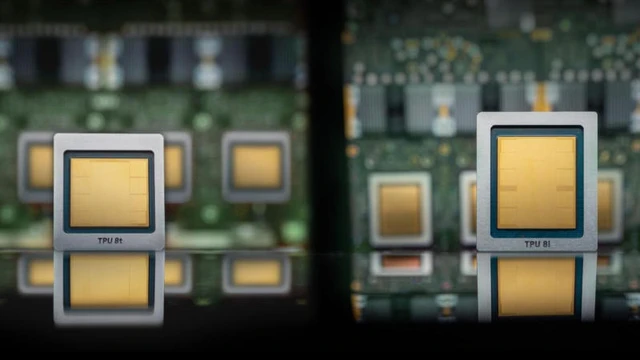 Memory Reclamation in the Age of AI Scarcity
The global AI surge has shifted the critical infrastructure bottleneck from raw compute power to the availability and cost of memory. Skyrocketing DRAM prices are forcing tech giants to rethink hardware lifecycles and explore unconventional scaling strategies. Google has pivoted to a radical recycling approach, harvesting components from decommissioned servers to sustain new deployments. This precedent exposes the profound fragility of global supply chains amidst the relentless AI arms race.
4 Sept 2026
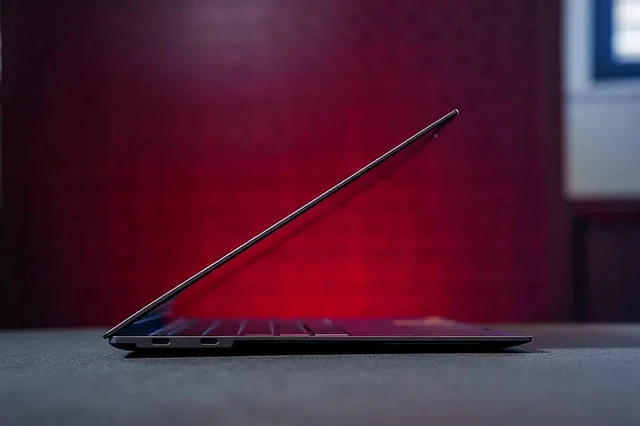 The Evolution of Ultrabooks: Driven by Solid-State Cooling
The quest for the perfect equilibrium between performance and portability has long been constrained by the immutable laws of thermodynamics. For decades, the industry has relied on active cooling systems—fans that not only dictated the minimum permissible thickness of devices but also introduced an inevitable acoustic footprint. The emergence of solid-state cooling represents a fundamental paradigm shift in hardware engineering. Lenovo’s AeroBlade concept illustrates how this technology is poised to redefine the boundaries of the modern mobile workspace.
4 Sept 2026
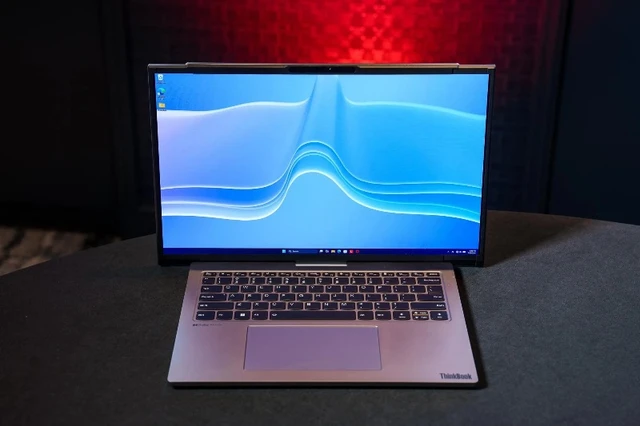 Project Swan: Transforming the Workspace
The tension between portability and productivity has long been an insurmountable trade-off for professionals. For years, users were forced into a binary choice: the agility of a 14-inch form factor or the uncompromising power of a cumbersome workstation. Lenovo seeks to dissolve this dichotomy, unveiling a concept that defies the physical constraints of contemporary hardware. Project Swan introduces a dynamic interface designed to adapt to user workflows in real time.
4 Sept 2026
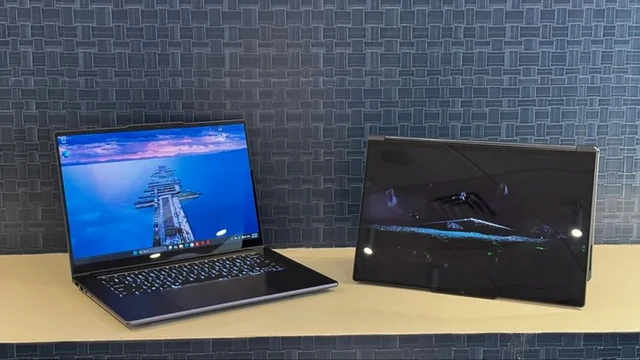 Lenovo Sets a New Standard for Mobile AI
The personal computing industry is undergoing a fundamental paradigm shift: the era of cloud-centric computing is yielding to the local execution of sophisticated neural network models. For today's power user, mere API access is no longer sufficient; there is a growing demand for on-device hardware capable of processing data locally. Lenovo is meeting this challenge head-on by integrating Nvidia's cutting-edge innovations into its premium Yoga lineup. These machines are evolving beyond mere productivity tools, transforming into comprehensive mobile workstations tailored for generative AI.
4 Sept 2026
 The Twilight of Apple's Foldable Ambitions
The flexible display industry has evolved from a daring experiment into a fundamental reimagining of mobile productivity. Apple, which traditionally eschews the role of the first mover, spent years searching for the ideal formula to bridge the gap between tablet and laptop. An ambitious project for a foldable device featuring a massive display was envisioned as the definitive answer to the market's demand for the convergence of the iPad and the MacBook. However, the collision of formidable technical hurdles and cold economic pragmatism ultimately forced a strategic retreat.
4 Sept 2026
 The Era of Personal Robotics by OpenAI
The convergence of Large Language Models and physical embodiment is emerging as the new frontier in the global technological arms race. Sam Altman has been vocal about OpenAI’s ambition to develop a universal humanoid assistant—one that will eventually be accessible to everyone. Central to this strategy is the premise that artificial intelligence must be adapted to an environment fundamentally designed by and for humans. The architects of ChatGPT are now seeking to fuse the cognitive prowess of neural networks with a tangible, physical presence.
