The portable computing market is undergoing a fundamental transformation, centered on the integration of Neural Processing Units (NPUs). Lenovo is making a bold move in this direction with the introduction of the IdeaPad Vibe—a device engineered to seize the lead in the affordable yet high-performance workstation segment. Positioned as a challenger to the MacBook Neo and Dell XPS 13, the company is betting on configuration flexibility and a pragmatic array of I/O ports. This is more than just another product launch; it is a strategic effort to democratize AI computing for the mainstream user.
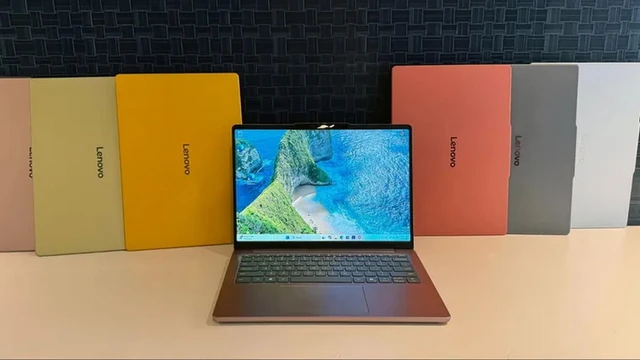
The contemporary arms race in the laptop industry has shifted from the realm of raw clock speeds to the efficiency of neural computing. The Lenovo IdeaPad Vibe emerges as a pivotal instrument in this strategy, hitting the market with an aggressive entry price of $699. While competitors lean toward extreme minimalism, the Vibe bets on versatility, offering users a choice between 14- and 15-inch versions available in various colorways.
The device's architectural foundation is built on the principle of diversification. Lenovo is offering two fundamentally different hardware platforms: the energy-efficient ARM architecture embodied by the Qualcomm Snapdragon X, and the refined power of the AMD Ryzen AI 400. The lineup is slated for future expansion with Intel-based models—likely utilizing the Wildcat Lake series—allowing the company to capture all primary segments of consumer preference.
The divergence between these platforms manifests not only in computational logic but in physical specifications. The AMD-powered version proves more autonomous and flexible, featuring a 65Wh battery and supporting memory expansions up to 32GB. Conversely, the Qualcomm variant is optimized for maximum mobility, equipped with a 50Wh battery and a RAM ceiling of 24GB. Despite these differences, both configurations maintain a critical level of future-proofing for professionals: dual M.2 SSD slots supporting drives up to 1TB.
The visual experience is similarly segmented. Users can choose between classic 120Hz IPS displays or high-contrast OLED panels. Interestingly, the OLED option is strictly tied to the device's aesthetics, available only in grey and blue—a decision likely driven by supply chain constraints or the specific positioning of these modifications.
One of the IdeaPad Vibe's primary advantages over the MacBook Neo and Dell XPS 13 is its refusal to engage in radical port pruning. In an era where the industry coerces users into purchasing a myriad of dongles, Lenovo returns to pragmatism: two USB Type-A ports, two Type-C ports (albeit limited to 5Gbps), a full-sized HDMI port, a headset jack, and a microSD card slot. This transforms the laptop into a comprehensive workstation, ready to interface with any peripheral without additional accessories.
The device's intelligence layer centers on the NPU (Neural Processing Unit) integrated into the latest AMD and Qualcomm silicon. This serves as the foundation for the Qira AI assistant—an ecosystem product that previously debuted in Motorola smartphones. While access to Qira AI may be limited to specific configurations, the very integration of deep learning into the budget segment signals a paradigm shift: AI is ceasing to be a premium luxury and is becoming a baseline requirement for productivity.
Despite these ambitious specs, a starting price of $699 inevitably necessitates certain trade-offs. It is highly probable that base models will ship with 8GB of RAM, forcing users to consider an immediate upgrade upon purchase.
The rollout schedule is distributed across quarters: the AMD models will hit the market first in October, followed by the Snapdragon versions in November. The anticipation of Intel variants maintains the intrigue, turning the IdeaPad Vibe into a sort of proving ground for the three largest semiconductor giants, all housed within a single chassis.
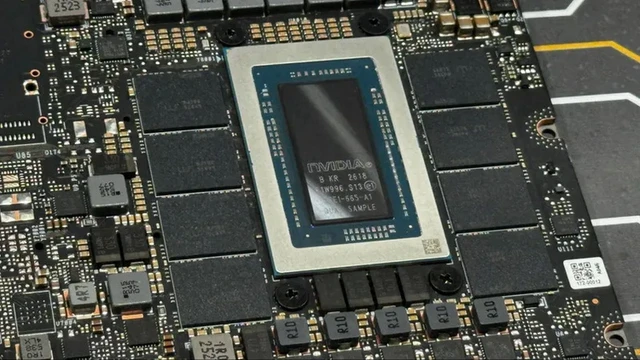 Nvidia N1X and the New Era of Arm PCs