The global mobile computing landscape is undergoing a fundamental paradigm shift toward AI-optimized hardware. The debut of Nvidia’s RTX Spark platform and the N1X chip signals the end of an era for traditional architectures within the high-performance laptop segment. By fusing cutting-edge GPU cores with energy-efficient processing units, Nvidia is establishing a new benchmark for next-generation mobile workstations. Local execution of complex neural network models is no longer a distant prospect—it is now a tangible reality for portable devices.
Nvidia’s strategic pivot toward consumer computing is crystallizing. The company has officially unveiled the N1X chip, the cornerstone of the RTX Spark platform. This processor does not merely augment the existing lineup; it reimagines the fundamental synergy between the central and graphics modules. The first N1X-powered devices are expected to hit the market as early as October, offering users two distinct tiers of performance.
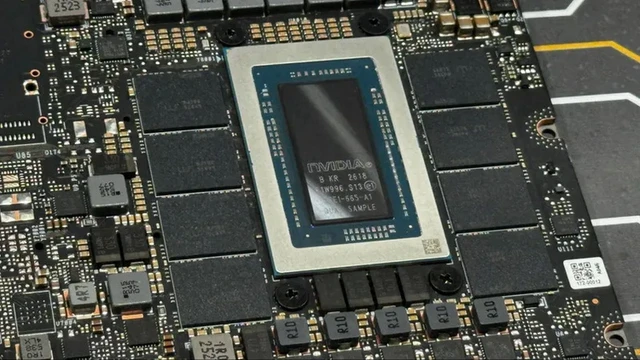
The flagship N1X configuration is a powerhouse of hybrid engineering: a 20-core Grace CPU paired with a Blackwell GPU boasting 6,144 CUDA cores. The standout feature is the unified memory, which can scale up to 128 GB. This configuration is designed not only for premium laptops but also for compact mini-PCs, where memory bandwidth is a critical bottleneck. The entry-level variant, tailored exclusively for the laptop segment, features an 18-core CPU and a scaled-down GPU with 5,120 CUDA cores, supported by 24 to 32 GB of memory.
The N1X architectural stack is built around the concept of unified memory, granting both the CPU and GPU shared access to a single data pool. This approach—a hallmark of Apple’s M-series and mirrored in AMD’s Strix Halo and Gorgon Halo projects—drastically reduces data transfer latency. For the end-user, this translates to the ability to run demanding Large Language Models (LLMs) locally, bypassing cloud services—a critical advantage for both data privacy and the responsiveness of AI agents.
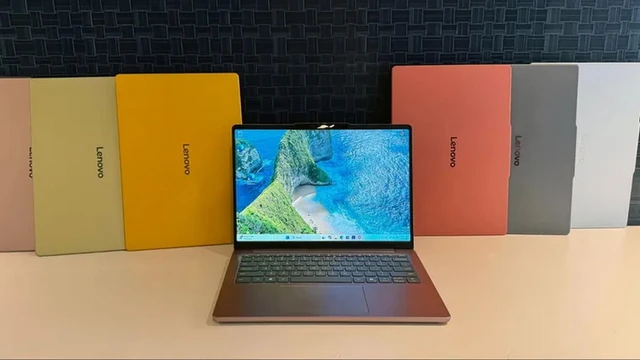
The industry's reaction has been swift. At IFA Berlin, market leaders showcased the first implementations of the platform: Lenovo debuted the Yoga 9n convertible, while Acer unveiled the SFF RTX Spark compact desktop. The partner ecosystem—including Asus, Dell, MSI, and HP—is already preparing its own solutions. Of particular note is Microsoft, which previously showcased the flagship Surface Laptop Ultra at Computex, effectively establishing a reference platform to demonstrate the N1X's full capabilities.
Beyond raw performance, Nvidia is prioritizing efficiency, promising a full workday of battery life—traditionally the Achilles' heel of high-performance Windows laptops. While the company emphasizes AI workloads, the gaming prowess of the Blackwell architecture positions the N1X as a formidable contender in the mobile gaming arena.
The arrival of the N1X carries profound strategic implications for the entire Windows ecosystem. Until now, Qualcomm held a virtual monopoly as the primary supplier of Arm-based processors for modern Windows PCs. Nvidia’s entry disrupts this hegemony and provides a powerful catalyst for software developers. Integrating CUDA tools and Nvidia’s software stack into consumer devices could trigger a new wave of application optimization for the Arm architecture.
The market is also anticipating a more accessible N1 chip, which has appeared in numerous leaks but remains officially unconfirmed. While specific delivery timelines remain at the discretion of OEMs, the October launch of the N1X marks the starting point for a global paradigm shift in personal computer architecture.
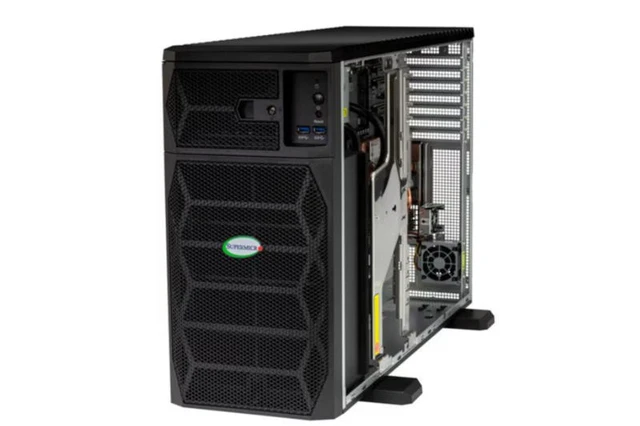 Blackwell Performance in a Desktop Form Factor