14 Aug 2026
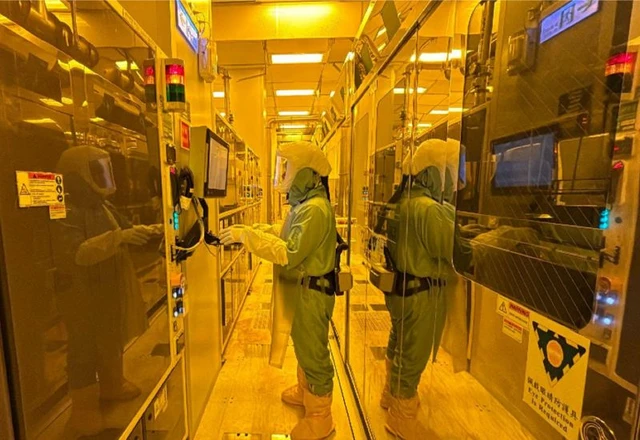 The Rise of Edge AI Infrastructure
The global AI arms race has traditionally centered on the raw computational power of GPUs, yet the true scale of this expansion lies hidden within the supporting infrastructure. While market discourse remains fixated on flagship chips, fundamental demand is pivoting toward the ancillary components that sustain their operation. The trajectory of SMIC illustrates how the second-order effects of the AI boom are evolving into primary drivers of financial growth—underscoring a profound restructuring of supply chains and an aggressive pursuit of technological sovereignty across the world's largest electronics markets.
14 Aug 2026
 The Scramble for AI Compute
The global arms race for AI supremacy has transcended the realm of source code and algorithms, shifting its focus toward the tangible reality of physical infrastructure. The breakneck pace of data center expansion has triggered an unforeseen side effect: the logistics of transporting high-value hardware have emerged as a critical vulnerability. Organized crime syndicates have begun targeting the very bedrock of neural networks, poaching everything from enterprise-grade server switches to cutting-edge cooling systems. This trend exposes a perilous disconnect between the astronomical valuation of AI hardware and the antiquated security protocols governing its transit.
14 Aug 2026
 The Technological Shift Toward HBF Memory
The contemporary AI arms race has collided with the hard physical limits of memory and a critical deficit in computational capacity. Conventional HBM-based solutions are becoming prohibitively expensive and capacity-constrained, struggling to keep pace with the escalating demands of Large Language Models (LLMs). The emergence of the HBF standard promises to fundamentally reshape the economics of neural network cluster architecture, delivering unprecedented data density without compromising read performance. SanDisk is already laying the groundwork for this paradigm shift, targeting a full-scale market rollout by 2028.
14 Aug 2026
 OpenAI’s Financial Surge Toward New Scales
The global AI arms race is shifting gears, moving beyond mere technological breakthroughs into a phase of aggressive commercialization. OpenAI, having evolved from a research-driven project into a financial powerhouse, is demonstrating growth trajectories seldom seen even within the most hyper-growth sectors of tech. The company's current revenue momentum underscores the deep penetration of generative models into enterprise workflows and the daily routines of millions. This economic surge is fundamentally redefining the future landscape of the entire software market.
14 Aug 2026
 Smartphone Sensor Networks: Combatting the Forces of Nature
The precise prediction of localized meteorological events—such as hail and sudden thunderstorms—has remained one of the most formidable challenges in meteorology for decades. Traditional ground-based stations are too fragmented to capture the rapid, volatile dynamics of small-scale atmospheric structures in real time. However, the ubiquity of smartphones featuring integrated barometers paves the way for an unprecedentedly dense sensor network. This paradigm shift transforms millions of consumer devices into a singular, distributed monitoring instrument capable of radically enhancing the accuracy of short-term forecasts.
14 Aug 2026
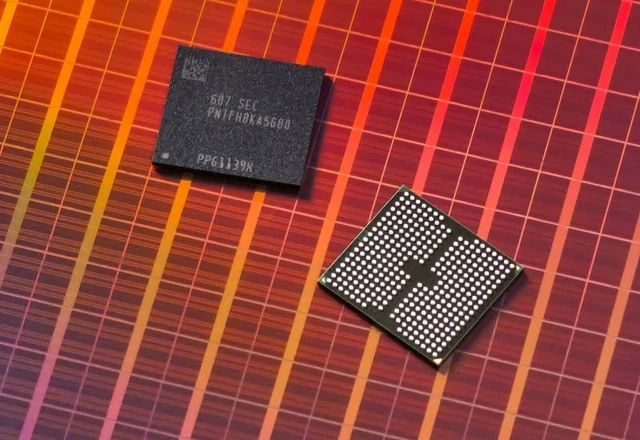 Samsung’s Strategic Pivot Toward Autonomous HBM5 Production
The global AI arms race has elevated high-speed memory to a critical determinant of computational competitiveness. As the industry pivots toward new standards, there is an increasing demand for deep customization of base dies tailored to specific client workloads. Samsung Electronics aims to disrupt this paradigm by establishing a fully vertically integrated production ecosystem for next-generation memory—a strategy engineered to secure a decisive technological edge for Nvidia by eliminating reliance on external foundries.
14 Aug 2026
 SpaceX’s Quest for AI Dominance
The global AI arms race is entering a new epoch, characterized by the total convergence of aerospace engineering and software architecture. SpaceX’s acquisition of Cursor marks a decisive strategic pivot for Elon Musk, aimed at closing the competitive gap with titans such as OpenAI and Anthropic. This move transforms SpaceX from a launch services provider into a formidable player in the intelligent coding landscape. The company's ambitions now extend far beyond low Earth orbit, pivoting toward the creation of fully autonomous software development ecosystems.
14 Aug 2026
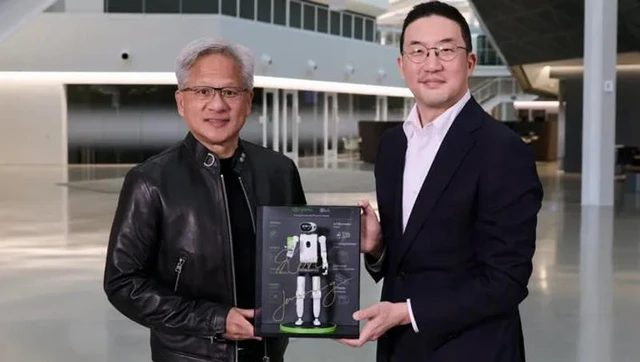 The Convergence of LG and Nvidia’s Autonomous Systems
The global industrial landscape is shifting toward a new paradigm—one where artificial intelligence transcends its role as a mere data-processing utility to achieve physical embodiment. The strategic alliance between LG and Nvidia serves as the catalyst for this transformation, fusing cutting-edge computational power with profound hardware engineering expertise. This partnership aims to pioneer a new generation of autonomous agents capable of sophisticated cognitive interaction with the material world. By 2027, this synergy is poised to deliver fully realized humanoid systems that will fundamentally redefine the architecture of modern manufacturing.
13 Aug 2026
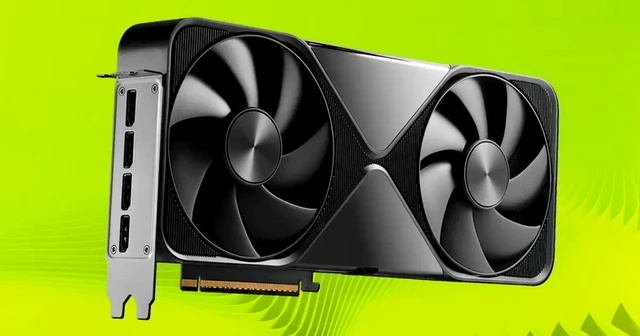 The Price Surge of Nvidia’s Professional Solutions
The contemporary compute market has morphed into a battlefield of acute scarcity, where high-performance hardware is now viewed as a critical strategic asset. Amidst the explosive demand for generative AI capabilities, the pricing of specialized accelerators has shifted from static figures to volatile variables. The introduction of the Blackwell architecture underscores the industry leader's aggressive market positioning, effectively rebranding memory access as a costly privilege. What we are witnessing is a rapid, virtually unchecked escalation in the cost of professional-grade workstation tooling.
13 Aug 2026
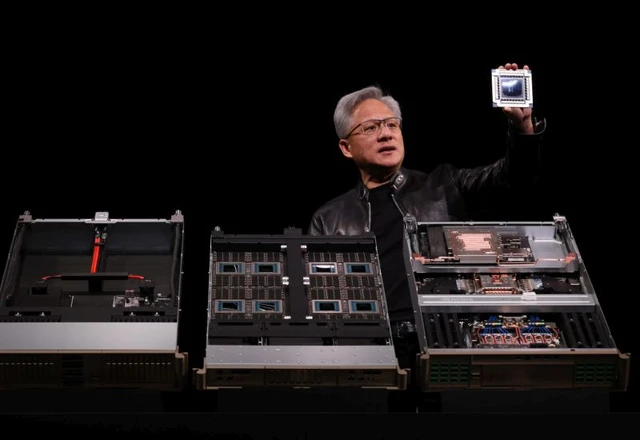 Capital Preservation Mechanisms in the Age of AI
The global transition to an AI-driven economy demands staggering investments in physical infrastructure. However, rapid hardware refresh cycles introduce significant volatility for lenders, who face the constant threat of accelerated asset devaluation. Nvidia is addressing this with a bold strategy: transforming its computing power into a secure financial instrument. By guaranteeing the residual value of its GPUs, the company is effectively pioneering a new framework for insuring technological risk.
13 Aug 2026
 The Acquisition of Decart AI in Pursuit of Computational Efficiency
The global AI arms race has decisively shifted from the realm of data acquisition to a fierce competition for physical and logical compute resources. For industry leaders, capacity deficits have emerged as the primary bottleneck hindering the path toward achieving true AGI. In this context, Anthropic’s strategic maneuvers to acquire specialized technical teams take on critical importance; a potential deal with Decart AI could prove pivotal in drastically reducing overhead and optimizing infrastructure ahead of the company's public market debut.
13 Aug 2026
 Lenovo’s Triumphant Quarter in the Age of AI
The global hardware market is undergoing a fundamental paradigm shift, where artificial intelligence has evolved from a value-add feature into the primary catalyst for demand. Lenovo has positioned itself at the epicenter of this transformation, delivering financial results that transcend conventional growth metrics. Record-breaking revenue and profit margins signal a successful pivot from legacy electronics manufacturing toward the orchestration of integrated AI ecosystems. This strategic leap is redefining the competitive hierarchy across both personal computing and server infrastructure.
