21 Jul 2026
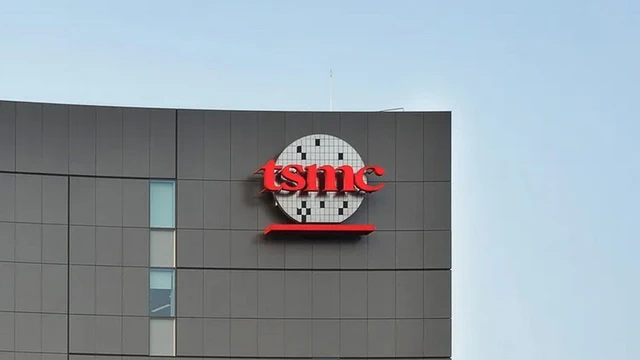 Espionage at the Heart of the Silicon Shield
Modern microelectronics has evolved into the primary instrument of geopolitical leverage, where access to cutting-edge fabrication processes now defines superpower status. Taiwan’s TSMC, wielding a virtual monopoly over the production of the world’s most advanced semiconductors, has become the epicenter of the global struggle for technological supremacy. A recent attempt to exfiltrate classified documents exposes the sophistication of state-sponsored espionage and the insidious recruitment tactics embedded within the industry. This case underscores why semiconductors are no longer viewed as mere commercial commodities, but as critical assets of national security.
21 Jul 2026
 Integrating AMD Helios Systems into the Azure Cloud
The global AI arms race is entering a pivotal new phase, where the primary metric of success has shifted from raw chip performance to the overall efficiency of integrated server architectures. For years, Nvidia has dominated the landscape by providing comprehensive, turnkey ecosystems—a strategic moat that has forced AMD to fundamentally overhaul its delivery model. Microsoft’s decision to integrate Helios systems into the Azure infrastructure underscores a calculated drive to diversify capacity and mitigate vendor lock-in. This strategic pivot marks the beginning of a new chapter in the high-stakes rivalry between the semiconductor industry's two primary titans.
21 Jul 2026
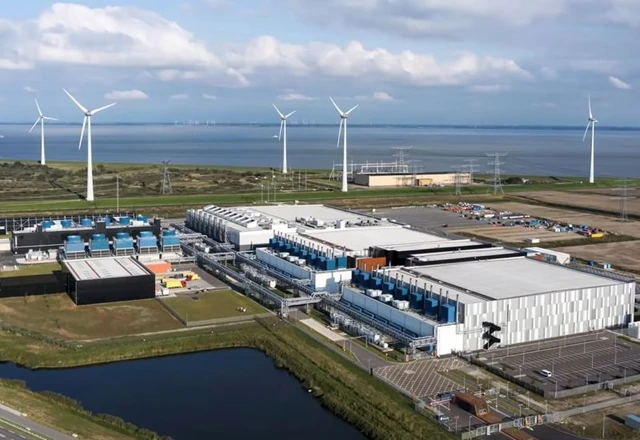 The Cost of the Compute Race Among American Tech Giants
The AI boom has evolved from a mere technological competition into a high-stakes financial wager. While the world remains captivated by the latest neural network updates, US tech giants are amassing staggering levels of debt to scale their computational infrastructure. A significant portion of these liabilities remains obscured from official financial reporting, fostering a sort of "shadow economy" of infrastructure. This lack of transparency casts serious doubt on the fundamental viability of the current AI arms race.
21 Jul 2026
 The Digital Curtain Surrounding Chinese Artificial Intelligence
The global race for AI supremacy has evolved beyond the realm of pure innovation, entering a phase of strategic containment. As the United States tightens restrictions on its proprietary technology, Beijing is countering with a mirrored strategy of technological isolationism. This pivot signals a broader shift toward "digital sovereignty"—a paradigm where neural networks and semiconductors are treated as critical state assets rather than mere commercial commodities. The primary objective has now become the development of a closed-loop ecosystem capable of operating entirely independently of Western standards.
21 Jul 2026
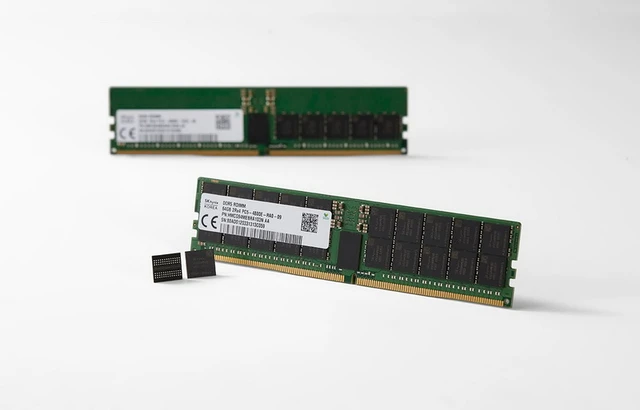 The Ten-Year Horizon of DRAM Memory Shortages
The contemporary semiconductor market is grappling with an unprecedented structural imbalance, as the demand for DRAM memory far outstrips current production capacities. The meteoric rise of generative AI has transformed system memory from a mere commodity into a critical strategic asset. While financial analysts debate the inevitability of an "AI bubble," industry leaders are acknowledging a systemic, long-term resource deficit. This shift is carving out a new economic landscape—one that will dictate the evolution of computing architecture for the next decade.
21 Jul 2026
 Organic Signatures on Icy Worlds
The quest for extraterrestrial life invariably begins with the analysis of complex molecules thriving under extreme conditions. Recent data from the James Webb Space Telescope has uncovered a chemical anomaly that bridges two distant frontiers: Titan and Pluto. The detected infrared signature points to an organic compound currently undocumented in existing scientific catalogs—a discovery that opens a new chapter in our understanding of prebiotic chemistry at the farthest reaches of the Solar System.
21 Jul 2026
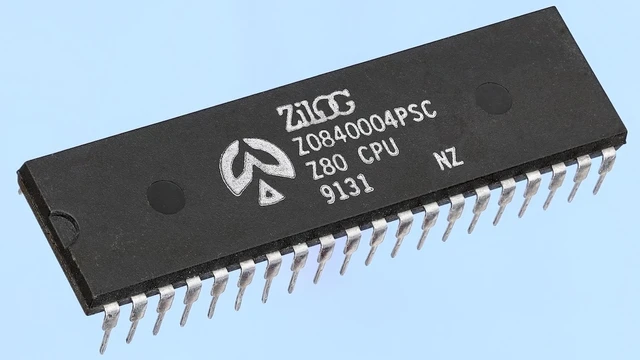 The Era of the Zilog Z80: An Eight-Bit Triumph
The debut of the Zilog Z80 in the mid-1970s served as a catalyst for a profound revolution across both personal computing and the gaming industry. This 8-bit silicon powerhouse defined the architecture of home computers and arcade machines for decades, laying the groundwork for an entire generation of digital culture. Today, as official industrial production draws to a close, the chip's legacy is transitioning into the stewardship of the enthusiast community. The story of the Z80 is a journey from a daring engineering venture to its current standing as an open standard of digital immortality.
21 Jul 2026
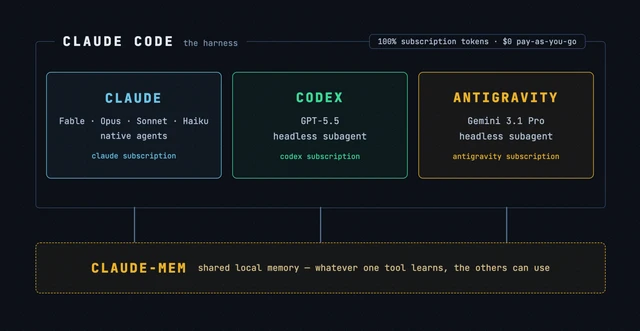 Efficient Resource Management in Multi-Agent Systems
The current evolution of Large Language Models (LLMs) is defined by a fundamental paradigm shift: the transition from simple conversational chatbots to autonomous agentic systems capable of sophisticated, deep-dive research. Yet, this progression has exposed a critical bottleneck—a staggering inefficiency in compute and token utilization as task complexity scales. Redundant operations and fragmented context frequently result in token quotas, even for premium tiers, being depleted before the system can synthesize a final deliverable. The solution lies in pivoting away from monolithic prompting toward rigorously orchestrated pipelines that decouple cognitive functions.
21 Jul 2026
 The Illusion of Control in Tesla’s Autopilot
Promises of full autonomy in transportation frequently collide with the stark realities of traffic regulations and algorithmic volatility. When acceleration is delegated to software, the margin between operational efficiency and a legal violation becomes perilously slim. A recent incident in Quebec vividly illustrates the systemic friction between oversimplified driving profiles and actual safety requirements. This case raises a fundamental question: to what extent is it acceptable to strip drivers of granular system control for the sake of streamlined marketing narratives?
21 Jul 2026
 The US Campaign Against Chinese Drone Masking
The global unmanned systems market has evolved into a flashpoint of intense geopolitical friction. DJI’s long-standing industry dominance is now colliding with a systematic campaign to purge Chinese technology from the American landscape. The U.S. Federal Communications Commission (FCC) is shifting its strategy beyond outright bans, moving toward dismantling "white-labeling" schemes and stealth hardware rebranding. This pivot signals the dawn of an era of aggressive technological protectionism, where a product's provenance has become more critical than its technical specifications.
21 Jul 2026
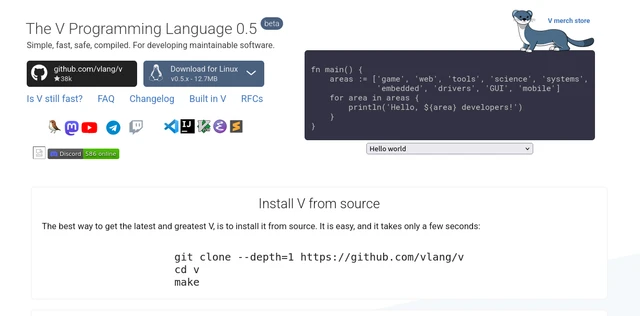 The Technological Leap of the V Programming Language
Modern systems programming is defined by an ongoing quest for equilibrium—balancing memory safety, compilation speed, and syntactic simplicity. As the industry oscillates between the rigorous constraints of Rust and the agility of Go, V seeks to bridge this divide, positioning itself as a pragmatic toolkit for building sustainable, maintainable software. The latest release, version 0.5.2, marks a significant evolutionary leap for a project that has been in development for over seven years. With this update, V takes a decisive stride toward maturity, introducing refined memory management mechanisms and broadening the scope of its standard library.
20 Jul 2026
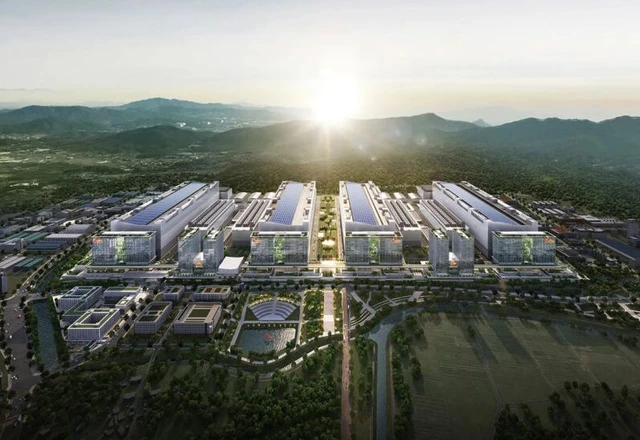 The Global Risk of Memory Market Oversaturation
The meteoric rise of artificial intelligence has ignited an unprecedented arms race for capacity within the semiconductor industry. Tech titans are pouring hundreds of billions of dollars into infrastructure, striving to satiate the insatiable appetite of data centers for high-performance memory. Yet, beneath this veneer of optimism lies a classic market pitfall—one that threatens to trigger a profound crisis of overproduction. The stability of the entire ecosystem now hinges upon whether these massive AI investments can ultimately deliver on their economic promises.
